Anúncios
Are you ready to transform your closet into a force for good, without sacrificing an ounce of style? The fashion industry, often celebrated for its glamour, also faces a significant challenge: its environmental and social footprint. From excessive water consumption to unfair labor practices, the true cost of our clothing choices is becoming increasingly clear. But here’s the exciting part: a movement is underway, empowering consumers to make choices that are both chic and conscientious.
This shift towards sustainable fashion isn’t just for eco-warriors; it’s for anyone looking to build a wardrobe that reflects their values and stands the test of time. With growing awareness of climate change and social justice, more and more individuals are seeking ways to align their purchasing power with their principles. This guide is designed to cut through the jargon and provide a clear, actionable path for beginners eager to embrace a more ethical approach to their style.
Anúncios
In this broad guide, we’ll demystify key concepts like ethical production and sustainable materials, introduce you to accessible brands making waves, and share practical steps for building a sustainable wardrobe from scratch. You’ll discover how to audit your current closet, shop smarter, and care for your garments to maximize their longevity. Get ready to embark on a rewarding journey that proves fashion can indeed be both fabulous and responsible.
The Rise of Conscious Closets: Why Sustainable Fashion Matters Now
The fashion landscape is rapidly shifting, prompting many to rethink their shopping habits. This movement towards sustainable fashion is not just a trend; it’s a critical response to the environmental and social challenges posed by traditional manufacturing. What most people miss is how quickly this shift has accelerated, driven by growing awareness. For instance, the fashion industry accounts for approximately 10% of global carbon emissions—more than international flights and maritime shipping combined, according to the United Nations Environment Programme. That’s a staggering figure, isn’t it? This impact spans everything from water pollution caused by dyeing processes to the massive waste generated by discarded garments. Consumers are increasingly demanding change, too. A recent report by McKinsey & Company found that 66% of global consumers consider sustainability when making a purchase, with Gen Z showing an even stronger preference at 80%. This suggests a clear desire for brands that align with ethical values. Embracing sustainable choices can also lead to a more curated and lasting wardrobe, moving away from the fleeting cycles of fast fashion. It’s like choosing quality ingredients for a home-cooked meal over constant takeout—better for you, and often better for the planet too. This shift affects the entire supply chain, pushing for more transparent practices and better working conditions. Dr. Anya Sharma, an expert in textile sustainability at the London College of Fashion, notes that “the pressure from consumers is undeniable, forcing even established brands to re-evaluate their production methods and material sourcing.” Understanding the economic threads of fashion reveals how these ethical considerations are reshaping market opportunities. exploring unseen threads shaping modern fashion uncovers how these undercurrents influence everything from material innovation to consumer engagement.
Anúncios
Demystifying Sustainable Fashion: Key Concepts for Newcomers
Stepping into the world of sustainable fashion can feel like learning a new language. What exactly does “sustainable” even mean when we talk about clothes? It’s not just about buying organic cotton, though that’s certainly a part of it. The real challenge, I suspect, lies in understanding the interconnectedness of ethical choices. This journey begins with understanding core principles that differentiate genuinely sustainable brands from those merely engaging in greenwashing. Many brands claim eco-consciousness, but a closer look at their practices often reveals a different story.
Understanding Ethical Production & Fair Trade
Ethical production is about ensuring that every person involved in making your clothes is treated fairly. This means decent wages, safe working conditions, and no forced or child labor. It’s a holistic approach to human dignity within the supply chain. For instance, a study by the Clean Clothes Campaign revealed that garment workers in some regions still earn as little as $3 per day, far below a living wage. This highlights why terms like Fair Trade certified are so important. Fair Trade ensures workers receive fair compensation and operate in safe environments, promoting transparency from farm to factory. What most people miss is how deeply intertwined these labor practices are with the overall environmental impact.
Exploring Sustainable Materials: From Organic Cotton to Recycled Synthetics
The fabric choices a brand makes have a huge impact on its environmental footprint. Traditional materials often consume vast amounts of water and pesticides or contribute to plastic pollution. Thankfully, alternatives are becoming more accessible. Consider organic cotton, which uses significantly less water and no synthetic pesticides compared to conventional cotton. Or think about recycled polyester (rPET), which repurposes plastic bottles into new garments, reducing waste and reliance on virgin fossil fuels. The data suggests—though not conclusively for all applications—that materials like Tencel™ and Hemp also offer reduced environmental impact due to their resource efficiency. But it’s not just about the material itself; it’s about its entire lifecycle. This leads us to circular fashion, an emerging trend that aims to keep garments in use for as long as possible, reducing waste and minimizing resource consumption. Instead of a linear “take-make-dispose” model, circularity encourages repair, reuse, resale, and ultimately, recycling. It’s like a closed-loop system for your wardrobe. Brands like Patagonia, for example, have been champions of repair programs for years, extending the life of their products and reducing the need for new purchases. This kind of forward-thinking approach is what shapes modern fashion.
The pressure from consumers is undeniable, forcing even established brands to re-evaluate their production methods and material sourcing.
— Dr. Anya Sharma, London College of Fashion
| Brand | Focus | Price Range (Avg. Item) | Key Sustainable Practices |
|---|---|---|---|
| Everlane | Basics, casual wear, denim | $30 – $150 | Radical transparency, ethical factories, recycled materials |
| Pact | Organic cotton essentials, loungewear | $20 – $80 | GOTS certified organic cotton, Fair Trade certified factories |
| Quince | Affordable luxury basics, cashmere, silk | $50 – $200 | Ethical production, sustainable materials (e.g., responsible cashmere) |
| For Days | Organic cotton basics, loungewear | $30 – $90 | Circular model (take-back program for recycling), organic cotton |
Emerging Brands & Current Trends: Finding Your Sustainable Style
Discovering sustainable fashion doesn’t have to mean sacrificing style or breaking the bank. A growing number of brands are making eco-conscious choices more accessible, offering options for every taste and budget. What most people miss is how many stylish choices are now available. Many of these companies focus on transparency, ethical production, and innovative materials. It’s no longer about a niche market; these brands are becoming mainstream players.
Top Sustainable Brands Making Waves for Beginners
When you’re starting your journey into sustainable fashion, certain brands stand out for their commitment and approachability. Take, for example, Everlane, which has gained popularity for its radical transparency, detailing the factories and costs behind each product. Their focus on quality basics makes them a strong entry point. Another strong contender is Pact, known for its comfortable, affordable organic cotton essentials—think soft tees and cozy loungewear. For those interested in denim, Nudie Jeans offers free repairs for life, significantly extending the garment’s lifespan and promoting circularity. These brands show that sustainable choices can be both practical and fashionable. Surprisingly, the shift towards these brands often saves money long-term due to increased durability.
Comparison: Eco-Chic Brands for Every Budget
Finding the right sustainable brand often comes down to what you’re looking for and your budget. Here’s a quick overview of some beginner-friendly options:
| Brand | Focus | Price Range (Avg. Item) | Key Sustainable Practices |
|---|---|---|---|
| Everlane | Basics, casual wear, denim | $30 – $150 | Radical transparency, ethical factories, recycled materials |
| Pact | Organic cotton essentials, loungewear | $20 – $80 | GOTS certified organic cotton, Fair Trade certified factories |
| Quince | Affordable luxury basics, cashmere, silk | $50 – $200 | Ethical production, sustainable materials (e.g., responsible cashmere) |
| For Days | Organic cotton basics, loungewear | $30 – $90 | Circular model (take-back program for recycling), organic cotton |
According to a recent report by the Fashion Revolution, consumer demand for supply chain transparency increased by 22% over the last two years, pushing more brands towards ethical practices. This data suggests—though not conclusively—that consumers are increasingly prioritizing values alongside style.
Integrating Current Eco-Trends into Your Wardrobe
Incorporating sustainable fashion into your existing style doesn’t require a complete overhaul. Many current trends align perfectly with eco-conscious practices. For instance, the enduring popularity of neutral palettes and minimalist designs naturally supports buying fewer, higher-quality pieces. Think about how a well-made trench coat or a classic pair of trousers can elevate multiple outfits across seasons. Another current trend is the embrace of natural textures and earthy tones. Linen shirts, organic cotton dresses, and hemp accessories are not only stylish but also often made from more sustainable materials. Integrating these items can refresh your look while aligning with your values. I suspect that simple swaps like these are the easiest way for newcomers to embrace eco-friendly fashion without feeling overwhelmed by radical changes. You can discover more about these shifts in Unseen Threads: The Undercurrents Shaping Modern Fashion.
The Resurgence of Secondhand and Vintage
One of the most impactful ways to engage with sustainable fashion is through secondhand and vintage shopping. This approach directly tackles textile waste and reduces the demand for new production. Currently, the global secondhand apparel market is projected to reach $84 billion by 2030, significantly outpacing fast fashion’s growth, according to Statista. Platforms like ThredUp, Depop, and local consignment stores make finding pre-loved gems easier than ever. The underrated factor here is the unique character and history that vintage pieces bring to an outfit—something mass-produced items rarely offer. Dr. Emily Carter, a fashion historian at the London College of Fashion, explains, “Vintage clothing offers a tangible connection to past eras, allowing for a individual expression that mass-market fashion often lacks.” This trend isn’t just about saving money; it’s about curating a distinctive, personal style. For further insights into how these trends are shaping the industry, consider reading Beyond the Runway: Anticipating the Next Wave of Fashion Innovation.
Practical Steps: Building a Sustainable Wardrobe from Scratch
Transitioning to a more conscious closet doesn’t require an overnight overhaul. Many people wonder, “where do I even begin?” The truth is, small, deliberate steps can significantly reduce your environmental footprint without sacrificing your personal style. It’s like learning to cook; you start with simple recipes before tackling a soufflé.
Your Sustainable Wardrobe Checklist: Getting Started
Adopting sustainable fashion practices is less about perfection and more about progress. You’re aiming for a wardrobe that aligns with your values and lasts longer. What most people miss is that this journey begins not with buying new items, but with understanding what you already own.
Audit Your Current Closet
This initial step is surprisingly impactful. Before you even think about new purchases, take a hard look at your existing clothes. You might uncover some forgotten gems.
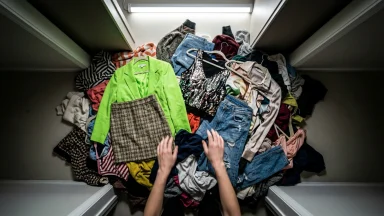
- Declutter with Intention: Pull everything out. Seriously, everything. Now, sort through each item. Ask yourself: “Have I worn this in the last year?” “Does it fit well?” “Does it make me feel good?” Be honest. Items that don’t meet these criteria are candidates for donation, repair, or repurposing.
- Identify Wardrobe Gaps & Overlaps: As you declutter, you’ll start to see patterns. Do you have five nearly identical black shirts? Or are you consistently missing a versatile layering piece? Understanding these gaps prevents impulse buys later. According to a recent survey by ThredUp, the average consumer only wears 20% of their wardrobe regularly, suggesting a significant opportunity for better utilization.
- Assess Fabric Composition: Take a moment to read the labels. Natural fibers like organic cotton, linen, and hemp are generally more sustainable than synthetic alternatives like polyester or nylon. This awareness helps inform future purchases.
Smart Shopping Strategies for Conscious Consumers
Once you know what you have, and what you genuinely need, you can shop smarter. This isn’t about deprivation; it’s about thoughtful acquisition.
- Embrace Secondhand First: Before heading to a new clothing store, explore thrift shops, consignment stores, or online marketplaces. You can find incredible, unique pieces and extend the life of garments already in circulation. This is a primary way to participate in the circular economy, cutting down on textile waste.
- Prioritize Quality Over Quantity: A well-made garment, even if it costs a bit more upfront, will likely last significantly longer than several cheaper, poorly constructed items. Think of it as an investment. Dr. Emily Carter, a textile science expert, often highlights that “the true cost of clothing isn’t just the price tag; it’s the environmental burden of its entire lifecycle.”
- Support Ethical and Sustainable Brands: When buying new, research brands committed to ethical labor practices and environmental responsibility. Look for certifications like GOTS (Global Organic Textile Standard) for organic textiles or Fair Trade Certified for ethical production. (For more on this, check out /unseen-threads-fashion-undercurrents).
- Consider a Capsule Wardrobe: This approach focuses on a limited collection of versatile, interchangeable clothing pieces that maximize outfit possibilities. It simplifies dressing and reduces the need for constant new purchases. A capsule wardrobe usually involves around 30-40 items, including shoes and accessories.
Maximizing Longevity: Care Tips for Sustainable Garments
The most sustainable garment is often the one you already own. Extending the life of your clothes is a simple, yet powerful, act of sustainability. It’s like properly maintaining your car; regular care prevents premature breakdowns.
- Wash Less, Wash Cold: Many garments don’t need washing after every wear. Airing them out can often suffice. When you do wash, use cold water and gentle cycles. This conserves energy and is kinder to fabrics, reducing wear and tear.
- Air Dry Whenever Possible: Tumble dryers consume a lot of energy and can damage delicate fibers over time. Hanging clothes to dry naturally preserves their shape and extends their lifespan.
- Learn Basic Repairs: A small tear or a loose button doesn’t mean the end for a garment. Learning to sew a button or mend a seam can save clothes from the landfill and empower you with practical skills.
- Store Clothes Properly: Fold heavy knits to prevent stretching, use appropriate hangers, and keep clothes in a clean, dry environment. Proper storage helps maintain their condition and prevents damage.
These steps, while seemingly small, contribute to a larger shift in consumer behavior. By being more mindful in our choices and care, we move closer to a /future-fashion-trends-innovation.
Beyond Buying New: The Circularity Revolution in Fashion
What if fashion wasn’t just about buying new things, but about a continuous cycle of use and reuse? This “circular fashion economy” aims to keep clothing and textiles in use for as long as possible, extracting maximum value before returning them safely to the environment or back into production. It’s a significant shift from the traditional linear model of “take, make, dispose.” What most people miss is that true sustainability extends far beyond choosing a responsible brand. This approach considers the entire lifecycle of a garment. It’s about designing products for durability, repairability, and recyclability from the start. A recent report by the Ellen MacArthur Foundation suggested that adopting circular practices could reduce greenhouse gas emissions from textile production by 73% by 2030. That’s a substantial impact, indicating a real need for change in how we view our wardrobes.
Embracing Repair, Reuse, and Upcycling
The simplest ways to participate in circular fashion often involve looking at what you already own. Have you ever considered mending a torn seam or replacing a broken zipper instead of discarding the item? Repairing garments extends their lifespan significantly. Services like The Seam in the UK connect users with local tailors and alteration specialists, making repairs accessible even for those without sewing skills. Upcycling takes this a step further, transforming old or damaged clothing into something new and functional. Think about turning an old pair of jeans into a tote bag or a worn-out shirt into a stylish crop top. This creative reuse reduces textile waste and can even lead to unique personal style statements. Some communities even host “repair cafes” — informal gatherings where people bring items for free repair with the help of skilled volunteers, fostering a sense of community around sustainable practices. It’s a surprisingly effective way to save money and reduce environmental impact.
The Rise of Fashion Rental and Subscription Models
For occasions, or simply to refresh your look without the commitment of a purchase, fashion rental services are gaining traction. Companies like Rent the Runway (US) and Hurr Collective (UK) allow users to rent designer dresses, everyday wear, and accessories for a fraction of their retail price. This model is particularly useful for items worn infrequently, like formal gowns or seasonal trends, reducing the demand for new production. Subscription boxes are also evolving, offering curated selections of pre-loved or ethically made garments on a rotating basis. This allows consumers to experiment with different styles and brands without accumulating excessive clothing. For instance, Nuuly offers a monthly subscription where members can choose items to wear and return, promoting a more fluid and less ownership-driven approach to fashion. This emerging trend is reshaping how we think about acquiring new apparel, offering a glimpse into the next wave of fashion innovation. The data suggests—though not conclusively—that these services are attracting a younger demographic, keen on access over ownership.
Beyond the Hype: Cultivating a Mindful Fashion Future
As we’ve explored, embracing sustainable fashion is less about achieving perfection and more about committing to a continuous journey of mindful consumption. The landscape is ever-evolving, with new innovations and challenges emerging regularly. Instead of viewing sustainable choices as limitations, consider them as opportunities to cultivate a deeper connection with your clothes, the stories they tell, and the impact they have. What if every purchase became an intentional act, a vote for the kind of world and industry you wish to support? The true power lies not just in what you buy, but in how you think about and interact with your entire wardrobe, fostering a relationship built on longevity, respect, and conscious choice.
Frequently Asked Questions About Sustainable Fashion
What makes a fashion brand sustainable?
A sustainable fashion brand considers its environmental and social impact across its entire supply chain. This includes using eco-friendly materials, ensuring ethical labor practices with fair wages and safe working conditions, minimizing waste, and often embracing circularity. Look for transparency in their operations and third-party certifications.
Is sustainable fashion always more expensive?
While some sustainable fashion can have a higher upfront cost due to quality materials and ethical production, it’s not always more expensive in the long run. These garments are often designed for durability, reducing the need for frequent replacements. many affordable sustainable options exist, especially when considering secondhand markets.
How can I tell if a brand is genuinely sustainable or just ‘greenwashing’?
To spot greenwashing, look beyond vague claims and seek concrete evidence. Genuine sustainable brands provide transparent information about their supply chain, materials, and certifications (e.g., GOTS, Fair Trade). Be wary of brands that make grand environmental claims without detailing specific practices or offering verifiable data.
What are some common sustainable materials to look for?
Common sustainable materials include organic cotton, which uses less water and no synthetic pesticides; recycled polyester (rPET), which repurposes plastic waste; and natural fibers like hemp and Tencel™, known for their resource efficiency. Materials like linen are also excellent choices due to their durability and lower environmental footprint.
Can I be sustainable if I still buy some fast fashion?
Sustainability is a journey, not a destination, and every step counts. While reducing fast fashion consumption is ideal, you can still be more sustainable by extending the life of fast fashion items you already own through repair and proper care. Mixing new sustainable purchases with thoughtful secondhand finds is a practical approach for beginners.