Anúncios
What separates a fleeting trend from a fashion empire that lasts for generations? While it may seem like magic, the success of the world’s most iconic style houses is built on a surprisingly tangible blueprint. It’s a formula woven from audacious vision, groundbreaking business strategy, and an almost psychic connection to what people desire. These stories are more than just history; they are a masterclass in how an idea, a stitch, or a single storefront can fundamentally change the way we dress.
The landscape of fashion influence, is no longer solely the domain of Parisian ateliers or Milanese runways. A profound shift has occurred, driven by conscious consumerism and the democratizing power of digital media. Today’s success stories are just as likely to be found in a brand’s transparent supply chain or in the authentic personal style of an influencer who built a community from their bedroom. The definition of a ‘fashion icon’ has expanded, creating new pathways to relevance and impact.
Anúncios
This article dissects these real-world success stories to reveal the core principles shaping modern style. We will explore the logistical genius that powered fast-fashion giants, unpack the business case for sustainability championed by brands like Patagonia, and chart the rise of digital disruptors who rewrote the rules of influence. Finally, we’ll examine how everyday individuals, through sheer force of personal expression, have become unexpected but powerful style icons, offering lessons for us all.
The Genesis of Style: How Visionaries Built Fashion Empires
Every iconic fashion house began with a single stitch, a bold idea, or a frustration with the status quo. These empires weren’t built by accident; they were constructed through a combination of relentless vision, sharp business sense, and a deep understanding of what people wanted to wear, sometimes before they knew it themselves. The stories behind these brands offer more than just history lessons. They provide a blueprint for success.
Anúncios
Many of today’s most recognizable names started from incredibly humble beginnings, facing skepticism and financial hurdles. The underrated factor here is their ability to create a unique identity that resonated with a specific audience, eventually growing that niche into a global following. It’s a journey from a simple concept to a cultural touchstone.
From Niche Idea to Global Phenomenon
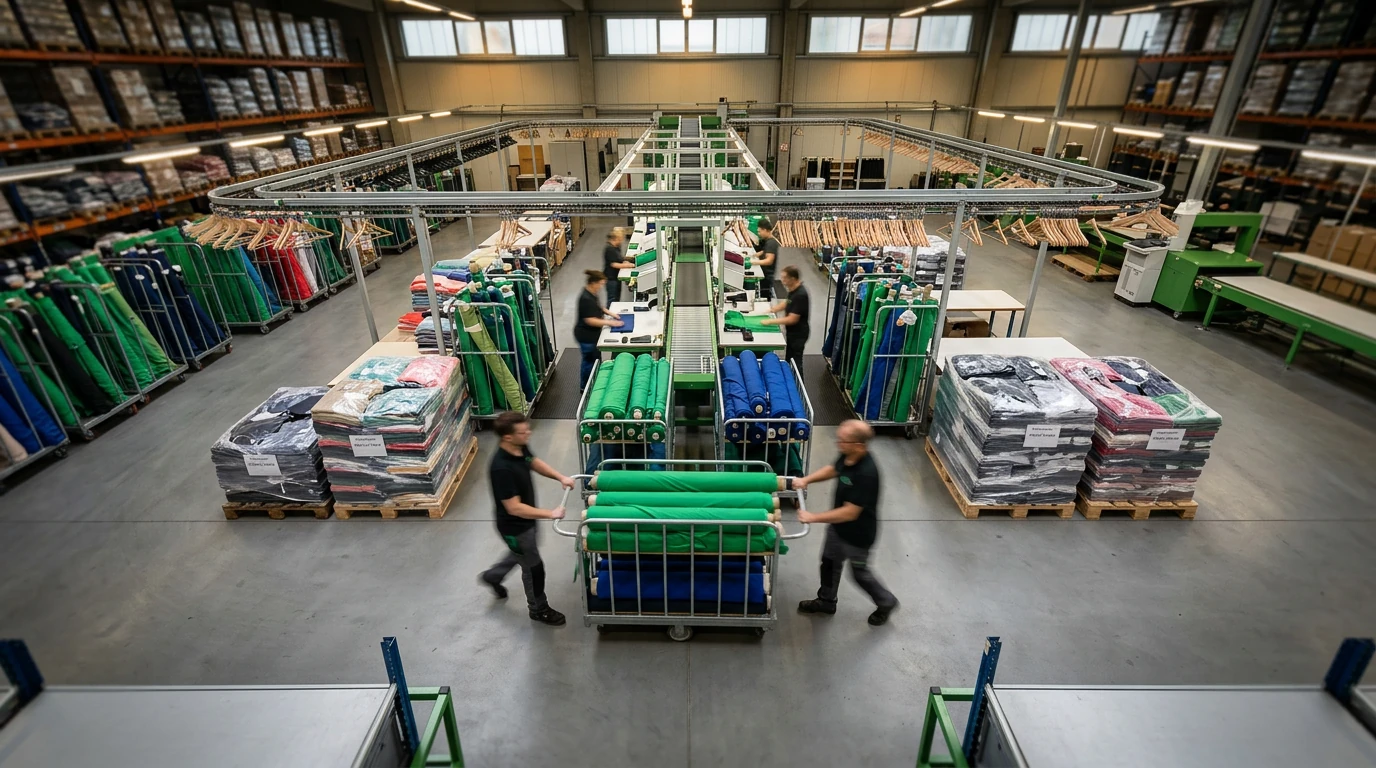
Consider the rise of Zara, the flagship chain of the Inditex group. Founded by Amancio Ortega in 1975 in A Coruña, Spain, the initial concept was simple: sell affordable, fashion-forward clothing that mimicked high-end trends. This wasn’t just about making cheap clothes; it was about speed. Ortega’s vision was to create a highly responsive supply chain that could take a design from concept to store floor in a matter of weeks, not months.
Their initial challenge was immense. How could a small Spanish retailer possibly compete with established fashion houses? The answer was found in logistics and data. Instead of predicting trends seasons in advance, Zara’s model relied on observing what customers were actually buying and asking for. Think of it less like preparing a massive banquet and more like a short-order kitchen, responding instantly to customer orders. This data-driven approach to clothing is something explored in the science behind modern fashion choices.
The turning point was their “fast fashion” production cycle. A report from the London College of Fashion noted that at its peak, Zara was able to design, produce, and deliver a new garment to its stores worldwide in just 15 days. This agility allowed them to offer new arrivals constantly, creating a sense of urgency for shoppers. This business model stands in stark contrast to other enduring fashion philosophies that prioritize slow, timeless production over rapid-fire trends.
By focusing on customer desire and pioneering a revolutionary supply chain, Ortega turned a single storefront into a global empire with thousands of locations. His story demonstrates that a groundbreaking business model can be just as influential as a groundbreaking design, forever changing the pace and expectations of the entire industry.
Sustainable Style Revolution: Brands Making a Difference
The conversation around sustainability in fashion has shifted from a niche concern to a mainstream demand. Consumers are increasingly scrutinizing labels and asking tough questions about where their clothes come from. This isn’t just about feeling good; it’s about voting with their wallets for a different kind of industry. The data backs this up, with a recent NielsenIQ report showing that 68% of global consumers are willing to pay a premium for products with sustainable attributes.
The Rise of Conscious Consumerism
Brands that once treated sustainability as a marketing afterthought are now finding it required for survival. Take Patagonia, a long-standing leader in this space. Their “Don’t Buy This Jacket” campaign was a masterclass in challenging consumption, paradoxically building immense brand loyalty. By encouraging repairs and offering a lifetime guarantee, they built a business model on durability, not disposability. This approach proves that prioritizing the planet can actually strengthen a company’s financial health.
But how much of this proclaimed consumer interest translates to actual sales? The underrated factor here is trust. Shoppers are wary of “greenwashing” — vague claims without real substance. Success stories emerge from brands that offer radical transparency, showing the receipts for their ethical claims. It’s one thing to say you’re eco-friendly; it’s another to prove it with a traceable supply chain, which is where the data-driven wardrobe begins to take shape for modern consumers.
Innovative Supply Chain Solutions
Rethinking the supply chain is where the real work happens. It’s less like a simple production line and more like planning a cross-country road trip with multiple drivers, each needing different fuel types and rest stops. One brand making waves is Allbirds, which built its identity around innovative materials like merino wool and eucalyptus tree fibers. They meticulously calculated their carbon footprint from day one and openly publish their sustainability reports, creating a new standard for accountability.
Another powerful example is the rise of brands focused on a circular economy. The Swedish company Nudie Jeans offers free repairs for life and resells second-hand pairs in their stores. This not only reduces waste but creates a powerful community around the product. They successfully turned a pair of jeans from a disposable item into a lifelong companion. It’s a basic shift in understanding what ownership means and is a key step in unlocking your personal style with intention.
Tracking Transparency from Farm to Fabric
Technology is playing a major role in demystifying complex supply chains. Brands are now using tools like QR codes on garment tags that allow customers to trace an item’s journey from the raw material to the final stitch. Imagine scanning your t-shirt to see the cotton farm in Peru where it started and the factory in Portugal where it was assembled. This isn’t science fiction; companies like Everlane have built their entire brand on this principle of “radical transparency.”
This level of detail builds an unbreakable bond with the consumer. According to Dr. Alistair Crane, a supply chain analyst, “Traceability is the new currency of trust. When a customer can verify a brand’s claims for themselves, marketing becomes secondary to authenticity.” This direct line of sight eliminates doubt and empowers shoppers to make genuinely informed decisions.
Measuring Impact: Beyond the Hype
Not all sustainable practices are created equal, and brands often choose different paths based on their product and philosophy. Understanding these differences helps consumers see past buzzwords. These distinct fashion philosophies each tackle the problem from a unique angle.
Here’s a simplified breakdown of three common approaches:
- Upcycling & Recycled Materials: This involves transforming waste materials or existing garments into new products. Think of brands creating jackets from plastic bottles. It directly addresses waste but can sometimes be limited by material quality and scalability.
- Ethical & Regenerative Sourcing: This focuses on the very beginning of the supply chain. It ensures raw materials like cotton or wool are grown using organic or regenerative farming practices that improve soil health, and that farmers are paid fair wages. This has a massive environmental and social impact but requires deep investment in agriculture.
- Circular Design: This is about designing products from the outset to be disassembled and reused at the end of their life. The goal is to create a closed-loop system where nothing becomes waste. It’s a holistic approach, though it requires significant changes to both design and manufacturing processes.
The most successful brands often combine elements from all three, creating a multi-pronged strategy. They don’t just measure success by profits, but by metrics like water saved, carbon emissions reduced, and workers’ lives improved. This broad view is what separates fleeting trends from lasting change.
Ultimately, the challenge lies in scaling these ethical models to compete with the sheer volume and low prices of fast fashion. The pioneers have drawn the map; now the rest of the industry must decide if they have the will to follow.
Traceability is the new currency of trust. When a customer can verify a brand’s claims for themselves, marketing becomes secondary to authenticity.
— Dr. Alistair Crane, Supply Chain Analyst
| Success Story | Core Strategy | Key Takeaway |
|---|---|---|
| Zara | Rapid, data-driven supply chain (Fast Fashion) | Operational innovation can be as disruptive as design innovation. |
| Patagonia | Sustainability & Anti-Consumerism Marketing | Building brand loyalty through ethical principles and product durability can be highly profitable. |
| Chiara Ferragni | Digital-First Influence & Community Building | Direct audience relationships can bypass traditional industry gatekeepers to build a global brand. |
| Everyday Style Icons | Authentic & Consistent Personal Expression | True influence comes from a clear point of view, not from chasing trends or acquiring expensive items. |
Democratizing Fashion: Influencers and Digital Disruptors
The traditional gatekeepers of fashion—legacy magazines and exclusive runway shows—once held a tight grip on what was considered stylish. That all changed with the rise of digital platforms. Suddenly, a new wave of voices began shaping current trends from their own bedrooms, armed with a smartphone and a distinct point of view. The game had changed completely.
Consider the trajectory of Chiara Ferragni, who started her blog, “The Blonde Salad,” in 2009. What began as a personal style diary evolved into a multi-million dollar global brand encompassing clothing, accessories, and talent management. Her success wasn’t just about posting pretty pictures; it was about building a direct, authentic relationship with her audience, something legacy brands struggled to replicate. A study by Mediakix found that the influencer marketing industry ballooned to be worth over $16.4 billion, a testament to this profound shift in power.
This disruption wasn’t limited to individuals. Digital-native brands like Fashion Nova built empires by rejecting the seasonal fashion calendar. Their strategy relied on a constant stream of new, affordable products promoted by a massive network of Instagram influencers. This approach allowed them to react to a viral celebrity look in near real-time, delivering a similar style to customers within weeks—a process that would take traditional retailers months. It’s a bit like comparing a speedboat to an ocean liner; one can turn on a dime to chase a new current.
The result is a more accessible and varied fashion landscape. Consumers now have infinite sources of inspiration, empowering them in unlocking their personal style rather than simply following top-down directives. This has, created a faster, more crowded trend cycle that presents its own set of challenges for both consumers and creators.
Beyond the Runway: Everyday Style Icons and Their Impact
While digital influencers strategically build followings, a different kind of style leader has emerged—the accidental icon. These are individuals whose authentic, personal expression becomes a source of inspiration, often without any intention of leading a trend. Their influence stems not from sponsored posts or runway access, but from a deeply personal and consistent approach to getting dressed. It’s a quieter, more genuine form of leadership.
This phenomenon proves that a powerful style narrative can originate anywhere. What most people miss is that this impact isn’t about having an expensive wardrobe; it’s about having a clear point of view. Building a personal style is a bit like stocking your kitchen pantry: it should be filled with reliable staples you love and use often, not just trendy ingredients that will expire before you use them twice.
Cultivating an Authentic Visual Identity
The foundation of an everyday icon’s influence is an unwavering commitment to their own aesthetic. They aren’t chasing the ever-evolving landscape of fashion; they are creating a world of their own. Take the case of a retired architect from Philadelphia who gained a devoted online following for her sharp, structural, and monochromatic outfits. She never tagged a brand or sought collaboration.
Her style was simply a visual extension of her life’s work. She paired vintage Issey Miyake pieces with finds from local boutiques, creating a look that was entirely her own. A study from the Journal of Consumer Psychology found that perceived authenticity can increase audience trust by up to 63%, which explains why her approach resonated so deeply. People weren’t just admiring clothes; they were connecting with her story and discovering how to start unlocking their own personal style in the process.
The Ripple Effect of Individual Expression
When someone dresses with true conviction, it creates a powerful ripple effect that encourages others to do the same. This inspiration is less about direct imitation and more about permission. Seeing someone confidently wear what they love—whether it’s bold color, vintage silhouettes, or minimalist basics—gives others the confidence to explore their own tastes. How often have you seen someone on the street and thought, “I wish I could pull that off?” The truth is, you probably can.
Their very existence challenges the idea of so-called fashion faux pas and rigid style rules. They prove that the most compelling looks come from a place of self-knowledge, not from a trend report. The underrated factor here is that these icons make fashion feel accessible and human again, reminding us that style is a form of personal communication. This shift moves the conversation away from rigid doctrines and toward more fluid fashion philosophies that celebrate individuality. The ultimate lesson from these figures isn’t what to wear, but how to think about wearing it.
The Future of Fashion: Lessons from Past Triumphs
Analyzing the journeys of fashion’s most impactful names reveals a clear set of principles that transcend seasons and fads. These aren’t dusty historical footnotes; they are active strategies that explain why some brands flourish while others fade. The success of both heritage houses and independent creators provides a roadmap for anyone looking to understand or participate in the industry. What most people miss is that these lessons apply just as much to refining your personal closet as they do to building a global empire.
Adaptability in a Dynamic Industry
The one constant in fashion is change. Triumphant brands treat this not as a threat, but as an opportunity. They possess a keen ability to pivot, whether that means responding to shifting consumer values, economic downturns, or new social media platforms. This isn’t about chasing every micro-trend. It’s about having a flexible foundation, much like a commuter knowing several routes home to avoid unexpected traffic. Staying rigid is a recipe for irrelevance.
Consider the data. A study by the Global Fashion Agenda reported that brands with agile supply chains and responsive marketing were 60% more likely to see sustained customer loyalty. This agility allows them to test new ideas without committing to massive, risky inventory orders. It’s a calculated form of experimentation that keeps a brand’s conversation with its audience fresh and relevant, reflecting the evolving landscape of fashion itself. Are you adapting your own style to your changing life, or are you stuck in a past version of yourself?
Innovation as a Growth Driver
True growth in fashion rarely comes from doing the same thing slightly better. It comes from introducing something fundamentally new. This could be a revolutionary material, a disruptive business model, or a fresh design perspective that captures the cultural moment. Innovation is the engine that pushes the industry forward, separating the leaders from the followers. It creates its own demand.
The most successful innovators don’t just invent; they integrate. They find ways to make their new ideas accessible and desirable to a specific audience, creating a powerful combination of novelty and relatability.
Embracing Technology in Design and Distribution
Technology is no longer a peripheral tool; it’s woven into the fabric of modern fashion. From AI algorithms that predict top-selling colors to 3D printing for custom accessories, tech has opened up incredible possibilities. We’re seeing virtual try-on tools that reduce returns and data analytics that create hyper-personalized shopping experiences. This shift toward the data-driven wardrobe allows brands to understand consumer behavior with startling accuracy.
Direct-to-consumer (DTC) models, powered by e-commerce and social media, have completely reshaped the market. These brands bypass traditional retail gatekeepers, allowing them to build direct relationships with their customers and control their own narrative—a massive advantage in a crowded field.
The Power of Storytelling and Brand Identity
Beyond the clothes themselves, the most enduring brands sell a story. They cultivate a distinct identity and a set of values that resonate deeply with their target audience. This narrative transforms a simple garment into a symbol of belonging, aspiration, or self-expression. It’s the “why” behind the “what.” This is precisely the lesson from the personal style influencers who build loyal followings based on their authentic point of view.
Dr. Anjali Sharma, a brand strategist at the London College of Fashion, explains, “Consumers today are not just buying a product; they are buying into a community and an ethos.” A strong brand story fosters an emotional connection that simple price and quality competition cannot break. It provides a consistent framework, helping people on their journey toward unlocking their personal style with a brand they trust.
To put these lessons into practice, consider these core principles:
- Embrace Fluidity: Be prepared to adapt your strategy, designs, or even your core business model. The market will not wait for you.
- Tell Your Authentic Story: A compelling and genuine brand identity builds a community, not just a customer list.
- Innovate with Purpose: Use technology and new ideas to solve real problems for your customer, not just for the sake of novelty.
- Know Your Audience Intimately: Build direct relationships and listen intently to feedback. Your community is your greatest asset.
Ultimately, the blueprint for success in fashion is not a static document. It’s a living set of principles that reminds us that style is about connection, evolution, and a clear point of view. The future belongs to those who understand this and build accordingly.
What Is Your Role in Fashion’s Next Chapter?
Having explored the blueprints of past and present successes, from corporate boardrooms to individual closets, the lingering question is not what the future of fashion will be, but who will write it. The narratives of Zara, Patagonia, and digital-native creators demonstrate that influence is no longer a top-down decree. It is a dynamic conversation shaped by supply chain ethics, authentic storytelling, and individual choices.
As you close this article, consider your own position in this ecosystem. Are you a consumer whose purchasing power can demand greater transparency? Are you a creator with a unique perspective waiting to be shared? Or are you simply an individual using style as a powerful form of self-expression? The next great fashion success story might not be a global brand, but a collective movement driven by the very principles we’ve examined. What part will you play in it?
Frequently Asked Questions
How do fashion brands achieve long-term success?
Long-term success in fashion hinges on a combination of a strong, unique brand identity and the ability to adapt. This includes innovating in areas beyond design, such as creating responsive supply chains or pioneering new business models, while staying true to a core vision that resonates with a dedicated audience.
What role does sustainability play in modern fashion success stories?
Sustainability is now a critical driver of success, moving from a niche concern to a mainstream demand. Successful brands build deep consumer trust through radical transparency about their supply chains, use of innovative eco-friendly materials, and adoption of circular models like lifetime repairs, proving that ethical practices can enhance brand loyalty and profitability.
Can anyone become a fashion icon through personal style?
Absolutely. Modern fashion iconography is less about wealth or industry access and more about authentic self-expression. Individuals who cultivate a consistent and clear personal aesthetic can become ‘everyday icons,’ inspiring others through their conviction and proving that a strong point of view is more influential than following trends.
How have digital platforms changed the path to fashion success?
Digital platforms have completely democratized the fashion industry. They have empowered influencers and digital-native brands to bypass traditional gatekeepers like magazines and build direct relationships with millions of followers. This allows for real-time trend response and community-building on a global scale, creating entirely new paths to success.
What are the most common challenges for new fashion entrepreneurs?
New fashion entrepreneurs face immense challenges, including competing with the scale and pricing of established fast-fashion giants. They must also work to build consumer trust in an age of ‘greenwashing’ and find a unique voice to stand out in a saturated digital marketplace where attention is the most valuable currency.