Anúncios
Have you ever looked at someone and thought, “How do they always look so put-together?” while your own closet, full of expensive and trendy pieces, leaves you feeling like you have nothing to wear? This frustrating paradox isn’t about a lack of options or a failure to keep up with the latest styles. More often than not, it’s the result of subtle but significant fashion faux pas that silently sabotage your entire look.
True style isn’t dictated by runway shows or social media algorithms; it’s built on a foundation of timeless principles. Unfortunately, many common habits—from chasing every micro-trend to neglecting the importance of a good tailor—can make even the most luxurious wardrobe appear cheap and disjointed. These blunders have less to do with what you wear and more to do with how you wear it, creating a disconnect between the image you want to project and the one you actually present.
Anúncios
What if you could diagnose and correct these issues with a few simple shifts in perspective? This guide cuts through the noise to expose the most common style blunders that diminish your appearance. We’ll explore why perfect fit is non-negotiable, how to curate accessories instead of accumulating them, and why understanding fabric is your secret weapon. By mastering these fundamentals, you can move beyond fleeting fads and build a confident, cohesive style that represents you.
The Perils of Chasing Every Trend: Why Less Can Be More
Let’s be blunt: the fastest way to look like you have no style is to adopt every single trend that floods your social media feed. That endless scroll of micro-aesthetics and must-have items is a trap. It promises relevance but delivers a chaotic wardrobe filled with expensive, one-hit wonders that don’t speak to each other, or worse, don’t speak for you. You end up with a closet bursting at the seams, yet somehow, you have nothing to wear.
Anúncios
The cycle is exhausting and wasteful. A recent Business of Fashion report found that the average hyper-trendy item is worn only seven times before being discarded. Seven times. Chasing the ever-changing landscape of current trends without a plan is like trying to build a house with random scraps of wood instead of a solid foundation; it’s bound to collapse. What’s the point of owning the “it” jacket of the season if it clashes with everything else you own?
You lose your identity in the process.
Understanding Your Personal Style Anchor
The most effective defense against this chaos is developing a personal style anchor. This isn’t about creating a rigid uniform, but about identifying the core silhouettes, color palettes, and aesthetics that genuinely feel like you. It’s the baseline from which all other decisions are made. Finding this anchor is the critical first step in unlocking your personal style and breaking free from the trend cycle. It’s the difference between wearing clothes and letting clothes wear you.
What most people miss is that true style isn’t about wearing what’s popular; it’s about knowing how to integrate a single trend into your established look. Think of your wardrobe as a well-written book—your foundational pieces are the main plot, while trends are the occasional, well-placed adjectives that add a bit of spice. Even top stylists agree that a wardrobe should be built on a foundation of timeless style, not fleeting moments.
Ultimately, building a wardrobe isn’t about collecting artifacts from every passing fad. It’s about curating a personal collection that tells your story, giving you the confidence to decide which trends are worth a cameo appearance and which should be left on the rack.
Ill-Fitting Clothes: The Undeniable Style Killer
You can spend a fortune on designer labels and chase every runway look, but if your clothes don’t fit your body, you’ve wasted your money. An ill-fitting garment screams a lack of attention to detail and can make even the most expensive fabric look cheap. What most people miss is that clothing fit isn’t about squeezing into a certain size; it’s about making the clothes conform to your unique proportions. It is the silent language of style, and right now, your wardrobe might be saying all the wrong things.
Fit is the foundation of all great style. Ignoring it is like building a house on sand. A recent report from The London College of Fashion noted that nearly 70% of consumers wear at least one item of clothing that is the wrong size, often due to inconsistencies in brand sizing and a lack of understanding of their own body shape.
The Golden Rules of Fit for Every Garment
Recognizing a good fit is a skill, but it’s one you can learn easily. Stop relying on the number on the tag and start looking at the mirror with a critical eye. For any beginner trying to develop their own sense of style, mastering these basics is non-negotiable. Here are some universal checkpoints:
- Tops and Shirts: The shoulder seam should sit exactly where your shoulder ends. If it droops down your arm, it’s too big; if it’s creeping up toward your neck, it’s too small. You should be able to button it without the fabric pulling into an “X” shape across your chest.
- Trousers and Jeans: The waistband should sit comfortably without needing a belt to hold it up, and it shouldn’t dig into your skin. For most classic styles, the hem should have a slight “break” where it meets your shoe, not puddle around your ankles or hang inches above them.
- Jackets and Blazers: With the top button fastened, you should be able to slide a hand flat between the jacket and your chest. The sleeve should end right at your wrist bone, allowing about a half-inch of shirt cuff to show. This is one of the key details fashion industry insiders recommend for a polished look.
Why Tailoring is Your Secret Style Weapon
Off-the-rack clothing is designed for a generic mannequin, not for a real human body with its unique curves and lines. This is where a good tailor becomes your most valuable asset in fashion. Think of tailoring not as a repair service, but as the final step in purchasing any garment. Buying a suit without getting it tailored is like buying a car and never adjusting the driver’s seat — you’re not getting the performance you paid for.
A simple alteration can transform a baggy, unflattering piece into something that looks custom-made. Adjusting the length of a sleeve or taking in the waist of a pair of pants can dramatically improve your entire silhouette. Why would you invest in quality clothing only to skip the one step that ensures it actually looks good on you? This small investment elevates your entire wardrobe, making it work for your body shape, not against it.
DIY Adjustments vs. Professional Tailors
While some minor fixes are manageable at home, knowing when to call a professional is key. Overestimating your sewing skills can lead to a ruined garment and more expense in the long run. The distinction is usually about complexity and visibility.
Simple tasks like sewing on a loose button or fixing a fallen hem with fusible tape are perfect for a DIY approach. for anything involving the core structure of the garment, a professional is required. This includes adjusting shoulders on a jacket (a surprisingly complex job), taking in the waist on trousers with lining, or altering anything made from delicate fabrics like silk or leather. Trusting an expert ensures the integrity and longevity of your clothing, a core principle in moving beyond fast-fashion trends and toward a lasting wardrobe.
Before you leave the house, look in the mirror and take one thing off.
— Coco Chanel
| The Faux Pas | The Simple Fix |
|---|---|
| Wearing Ill-Fitting Clothes | Prioritize fit over size. Invest in a tailor to make off-the-rack items look custom-made. |
| Chasing Every Fleeting Trend | Build a core wardrobe of timeless staples and use trends sparingly as accents. |
| Accessory Overload | Choose one statement piece as a focal point and keep other accessories minimal and complementary. |
| Ignoring Fabric Quality & Care | Invest in quality materials and learn basic care (e.g., cold wash, flat dry) to preserve your garments. |
| Dressing for the Wrong Occasion | Decode the dress code by considering the event, venue, and time of day. When in doubt, ask the host. |
Ignoring Fabric Quality and Care: A Costly Oversight
That expensive cashmere sweater now looks pilled and misshapen after just a few wears. The culprit isn’t a bad purchase; it’s your complete disregard for the material itself. Buying quality clothing and then treating it like fast fashion is the ultimate style blunder, making even a high-end wardrobe look cheap. It’s a surprisingly common mistake that sabotages any attempt at building a personal style from the ground up.
Ignoring fabric quality is like trying to cook a gourmet meal with bargain-bin ingredients. It just doesn’t work. A cheap polyester blend will never drape like silk or breathe like high-quality cotton, no matter how trendy the cut is. According to a report by the Ellen MacArthur Foundation, less than 1% of material used to produce clothing is recycled into new clothing. This highlights the waste from treating garments as disposable — a crime against both your wallet and the planet.
Learning basic garment care is non-negotiable. Stop throwing everything into a hot wash and hoping for the best. For cotton, use cold water to prevent shrinking and fading. Silk demands a gentle hand-wash or the delicate cycle, and you should never wring it out. As for wool, it’s all about cold water, minimal agitation, and flat drying to avoid turning your favorite sweater into a doll-sized felt project. These aren’t just laundry tips; they are the foundation of what industry insiders recommend for timeless style.
Ultimately, the texture and condition of your clothes speak volumes before the brand or design ever can. Prioritizing fabric quality and proper care is a shift from chasing the ever-changing landscape of fashion trends to investing in wardrobe longevity. The real style upgrade isn’t buying more clothes; it’s caring for the ones you already own.

The Accessory Overload: When More Becomes Less
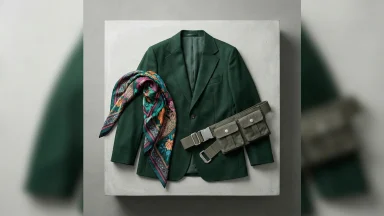
Let’s be blunt: you are not a Christmas tree, so stop decorating yourself like one. The myth that more accessories equal more style is a trap that ensnares even seasoned fashion lovers. Piling on a statement necklace, chunky bracelets, a wide belt, and a patterned scarf all at once doesn’t scream “stylish.” It screams desperation. True elegance is found in curation, not accumulation.
Think of accessories like seasoning a dish. A pinch of the right spice can make a meal unforgettable, but dumping the entire spice rack in creates an inedible mess. The same principle applies to your outfit. The goal is to complement, not compete. If you’re wearing a bold, statement piece like a large necklace, let it be the star. Everything else—from your earrings to your handbag—should play a supporting role. This is a core concept that many fashion industry insiders recommend for creating a classic look.
The line between accessorized and over-accessorizing is finer than you think. A study from the Fashion Institute of Technology noted that stylists often advise clients to put on everything they want to wear, then remove one item before leaving the house. It’s a simple rule. This single act of subtraction often creates the perfect balance. Are your earrings fighting your scarf for attention? One has to go.
Curating Your Accessory Collection
Deciding between statement and minimalist accessories is a constant tug-of-war for many. A large, artistic necklace can transform a simple black dress, but it’s hardly practical for a Tuesday morning meeting. Conversely, delicate, minimalist gold chains are versatile but might get lost in an outfit meant for a special occasion. The underrated factor here is understanding the context and your own personality—a key part of unlocking your personal style.
Here’s a breakdown of the common dos and don’ts:
- DO: Choose one focal point. If you’re wearing chandelier earrings, skip the necklace or opt for a very subtle one.
- DON’T: Wear multiple statement pieces from different “families.” A bohemian beaded bracelet rarely works with an edgy, industrial-style choker.
- DO: Mix metals with intention. Combining silver and gold can look incredibly chic, but it should feel deliberate, not like you got dressed in the dark.
- DON’T: Forget your bag and shoes are also accessories. A loud, printed tote bag is its own statement piece and must be factored into the overall equation.
Ultimately, your accessories should feel like an extension of you, not a costume you’re trying on. Rather than blindly following what’s trending, consider which pieces genuinely enhance your look and reflect your mood. Building a thoughtful collection means you’ll always have the right piece, instead of just more pieces.
Forgetting the Occasion: Dressing Inappropriately
Nothing screams “I don’t belong here” louder than a mismatched outfit. Showing up to a formal wedding in jeans isn’t just a style blunder; it’s a social one that signals a lack of respect for the hosts and the event itself. This is perhaps the most avoidable fashion mistake, yet people make it constantly. It’s a basic form of etiquette.
Understanding common dress codes is your primary defense. Business casual typically means slacks or a skirt with a blouse or collared shirt—no jeans or sneakers. For cocktail attire, think elegant dresses for women and a suit and tie for men. The most ambiguous is often smart casual, which blends well-fitting, darker-wash jeans or chinos with a blazer or stylish top, striking a balance between relaxed and polished. These aren’t just arbitrary rules; they are timeless style principles designed to create a cohesive atmosphere.
When an invitation is vague, you have to do some detective work. Consider the venue—a five-star hotel demands a different look than a backyard barbecue. The time of day also offers clues; evening events almost always call for more formal attire. A recent survey from Eventbrite suggests that 58% of attendees feel more confident when they know they are dressed appropriately. If you’re stumped, what’s so hard about asking the host directly?
Ignoring the dress code is like bringing a basketball to a tennis match. You have the wrong equipment and it shows. This isn’t about stifling your creativity—it’s about adapting your unique look to fit the context. The process of unlocking your personal style involves learning how to translate it for different settings, not abandoning it entirely.
Ultimately, dressing for the occasion shows you understand social cues and respect the effort others have put into an event. The rules are changing, of course, but knowing the foundation allows you to break them with intention rather than ignorance.
Conquering Your Fashion Flaws: A Step-by-Step Guide to a Polished Look
Let’s be brutally honest: the problem isn’t a lack of clothes. The problem is a lack of strategy. Your closet is likely a chaotic archive of past trends, questionable impulse buys, and items that no longer fit your body or your life. Treating your wardrobe like a refrigerator is the first step—you wouldn’t keep expired milk, so why are you hoarding expired styles that are souring your entire look? Taking control starts with a ruthless audit.
This isn’t about shame. It’s about power. A systematic clean-out allows you to see what you actually own and forces you to confront the habits that led to the clutter in the first place. You must be methodical.
Your 5-Step Wardrobe Refresh Checklist
Forget wishful thinking and get to work. This five-step process is designed to be efficient and decisive, leaving no room for excuses. Set aside a few hours, put on some music, and prepare to be honest with yourself.
- The Great Purge: Take every single piece of clothing out of your closet and drawers. Create three piles: Keep, Donate/Sell, and Trash. If an item is stained, torn beyond repair, or hopelessly outdated, it goes directly to the trash pile.
- Brutal Honesty Session: For the remaining items, ask yourself three questions: Have I worn this in the last year? Does it fit me right now? Do I feel confident when I wear it? If the answer to any of these is no, it doesn’t belong in the “Keep” pile.
- The Purgatory Box: For sentimental or “maybe one day” items, create a temporary holding box. Seal it and write a date six months from now on it. If you haven’t opened it by that date, donate the entire box without looking inside.
- Identify the Orphans: Look at your “Keep” pile. Notice the “wardrobe orphans”—those single items that don’t match anything else you own. These are clues to your buying mistakes and highlight gaps in your wardrobe.
- Create a Hit List: Based on the gaps you’ve identified, make a specific, targeted list of what you actually need. This prevents you from repeating past errors and falling for random sales.
Identifying Your Style Strengths and Weaknesses
As you sort, patterns will emerge. You might realize you own 12 black sweaters but no decent trousers. What does this tell you? A study by Style Psychology Quarterly found that 73% of people repeatedly buy variations of the same item, creating imbalance. This is the moment to get serious about unlocking your personal style instead of just collecting clothes. Look at the items you wear constantly—these are your strengths. The unworn pieces are your weaknesses, representing wasted money and poor choices.
Building a Versatile and Error-Proof Wardrobe
With a clean slate, the goal is not to refill your closet but to rebuild it with intention. The underrated factor here is focusing on foundational pieces that work together. Think of it as creating a starting lineup for your favorite sports team—every player has a purpose and can be substituted in to create different winning combinations. This is where you should invest your money and attention. Forget the fleeting trends for a moment.
Instead of chasing every new thing, prioritize quality over quantity. A well-made blazer, a perfect pair of jeans, and classic leather shoes will serve you far better than a dozen cheap, trendy tops. Industry insiders often stress the importance of a core uniform, which provides a reliable base for any occasion. By understanding what makes for timeless style recommendations, you can build a wardrobe that lasts. You can still play with what’s new—in fact, knowing how to decode current trends allows you to strategically add one or two modern pieces to your solid foundation, not build your entire look on a shaky fad.
Ultimately, this process is about more than just clothes. It’s about editing your life and presenting the most confident version of yourself to the world. Your style is an ongoing project, not a final destination.
Beyond the Rules: Style as Intentional Communication
Ultimately, avoiding a fashion faux pas isn’t about memorizing a rigid list of dos and don’ts. It’s about shifting your mindset from reactive dressing to intentional self-expression. Each choice—from the fit of your trousers to the polish on your shoes—is a form of non-verbal communication, telling the world a story about who you are and how you value yourself. The real mistake isn’t wearing the wrong color; it’s letting your clothes speak for you by accident.
So, the next time you get dressed, what story do you want to tell? Will it be one of thoughtful curation and self-respect, or one of chaotic trends and overlooked details? The power to decide has been in your hands all along.
Frequently Asked Questions
How can I tell if my clothes fit me correctly?
A good fit is all about proportion. For tops, the shoulder seam should sit exactly on your shoulder bone. For pants, the waistband should be snug without digging in, and for blazers, you should be able to slide a hand between the fabric and your chest when buttoned.
Is it bad to follow fashion trends?
Following trends isn’t inherently bad, but blindly chasing every single one is a mistake. The best approach is to selectively incorporate trends that align with your personal style anchor, using them as accents rather than the foundation of your wardrobe.
What are the most common fashion mistakes people make?
The most common mistakes include wearing ill-fitting garments, over-accessorizing, ignoring fabric quality and care instructions, and dressing inappropriately for the occasion. These core errors can undermine even the most expensive outfit.
How can I improve my personal style?
Start by identifying your core aesthetic—the silhouettes and colors you feel most comfortable in. Invest in high-quality, versatile basics that fit you perfectly. From there, you can thoughtfully add accessories and trend pieces that enhance your foundational look.
Should I invest in expensive clothes or fast fashion?
It’s generally better to invest in fewer, high-quality, timeless pieces than a large quantity of fast fashion. Well-made garments not only look better and last longer but also offer better cost-per-wear, making them a smarter investment for your wardrobe and wallet.
How do I choose the right accessories for an outfit?
Adhere to the principle of choosing one focal point. If you’re wearing a statement necklace, opt for simple earrings. If your handbag is bold and colorful, keep your jewelry understated. The goal is to create balance and harmony, not competition.