Anúncios
Do you ever stand before a closet packed with clothes, yet feel like you have nothing to wear? This frustrating paradox isn’t a personal failing; it’s a common symptom of a wardrobe built on impulse buys and fleeting trends rather than a true understanding of personal style. Fashion can often feel like an exclusive club with rules you were never taught, leaving you to guess what works while scrolling through an endless feed of picture-perfect influencers.
For decades, the fashion industry has thrived on a rapid cycle of newness, encouraging quantity over quality and leaving many with a collection of disjointed items. This approach not only impacts our wallets and the environment but also disconnects us from the joy of self-expression. True style isn’t about having the latest designer bag; it’s about crafting a visual language that communicates who you are without you having to say a word. It’s a skill that, like any other, can be learned and honed.
Anúncios
What if you could build a wardrobe that felt authentic, cohesive, and effortlessly stylish? This guide is your starting point. We’ll move beyond the noise of fast fashion to explore the foundational principles of silhouette and color. You’ll learn how to identify your unique style archetype, build a versatile capsule wardrobe from the ground up, and master the art of accessorizing to elevate any look. It’s time to stop chasing trends and start building a wardrobe that serves you.
Understanding the Fundamentals of Fashion
Before you buy another piece of clothing, let’s talk about the architecture of style. Great personal fashion isn’t about chasing every new look; it’s about mastering a few core principles. The most important of these are silhouette, proportion, and color theory. These are the building blocks. They provide the structure for every outfit you will ever wear.
Anúncios
Think of proportion like framing a picture; the right frame makes the art pop, while the wrong one can make it feel off-balance. For example, pairing a voluminous top with slim-fitting pants creates a pleasing contrast in silhouette that is more visually interesting than two baggy items together. This isn’t a restrictive rule—it’s a tool for creating visual harmony. Understanding this interplay is core.
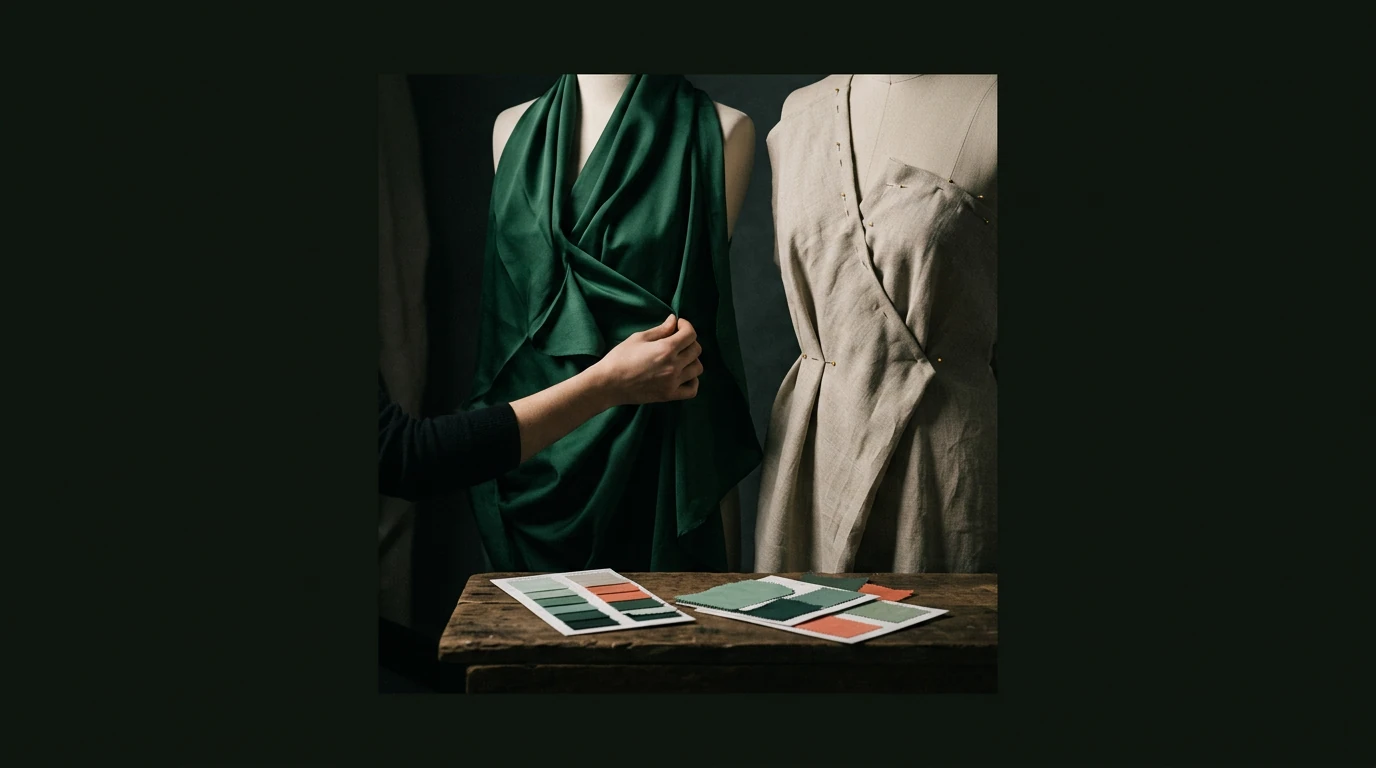
Color theory works in a similar way, guiding you on which shades complement each other versus which ones clash. A study from the London College of Fashion found that outfits demonstrating a clear understanding of color harmony were rated as 43% more “professionally appropriate” by a test panel. But how does this apply to your daily choices? It means knowing that pairing navy with a pop of coral can be more effective than mixing three or four competing brights.
What most people miss is that these concepts are meant to empower, not limit, your choices. They are timeless tools that give you control over your appearance, unlike the fast-paced world of fashion trends that can feel overwhelming. Once you grasp these foundations, you can start to intentionally break the rules to create a look that is uniquely yours.
Discovering Your Unique Style Identity
Before you buy another piece of clothing, the most critical step is figuring out who you are, sartorially speaking. Personal style has very little to do with chasing fleeting trends and everything to do with authentic self-expression. It’s about translating your personality into a visual language. This process requires a bit of introspection. It’s the foundation for every outfit choice you’ll make.
Analyzing what you already own is a surprisingly effective starting point. Your closet is a data set reflecting your habits, preferences, and even your aspirations. What pieces do you reach for constantly? Which ones still have the tags on? The underrated factor here is not just what you like, but how you want to feel in your clothes—confident, comfortable, creative, or powerful.
Identifying Your Style Archetype
To begin classifying your taste, it helps to understand common style archetypes. Think of these not as rigid rules, but as general categories or flavor profiles that can be mixed and matched. A recent survey from a major styling service revealed that 68% of clients feel their personal style is a blend of two or more archetypes. These labels simply provide a vocabulary to describe what you’re drawn to. Finding your dominant archetype is like finding the home base for your style journey.
Here are a few common starting points:
- Classic: This archetype favors timeless silhouettes, neutral color palettes, and structured pieces. Think tailored blazers, simple crewneck sweaters, and well-fitting trousers. It’s built on longevity over momentary fads.
- Bohemian: Characterized by free-flowing fabrics, earthy tones, and artistic patterns. This style often incorporates handcrafted details, fringe, and layered accessories for a relaxed and expressive feel.
- Minimalist: This is all about “less is more.” Minimalist style focuses on clean lines, a monochromatic or limited color scheme, and high-quality basics without excessive ornamentation. Every piece serves a clear purpose.
- Edgy/Street: Drawing inspiration from urban culture, this style often features leather, denim, graphic tees, and statement footwear. It combines comfort with a deliberately bold and often unconventional attitude.
Building a Style Inspiration Board
Once you have a sense of your potential archetype, the next step is to gather visual inspiration. Creating a mood board—either physically with magazine clippings or digitally on a platform like Pinterest—is like gathering ingredients before trying a new recipe. It provides a clear visual guide that keeps you focused and prevents impulsive, off-brand purchases.
Start saving images of outfits, colors, textures, and even art or interiors that you love. Don’t overthink it at first; just collect what catches your eye. After you have a collection of 30-50 images, review them for recurring themes. Are you consistently pinning tailored suits, or is your board full of flowy floral dresses? This visual data helps you understand your own taste beyond the influence of the evolving landscape of fashion and its fast-paced cycle.
This process of discovery is continuous. Your style will shift and grow as you do, but establishing this initial framework gives you a powerful tool for making choices that feel and uniquely your own.
We are in a crisis of stuff. We have too much, we are buying too much, and we are not valuing it.
— Dana Thomas, Author of Fashionopolis
| Step | Key Action |
|---|---|
| 1. Understand Foundations | Learn the basics of silhouette, proportion, and color theory to create visual harmony in your outfits. |
| 2. Discover Your Identity | Create a mood board to find recurring themes and identify your primary style archetype (e.g., Classic, Minimalist, Bohemian). |
| 3. Build a Capsule Wardrobe | Conduct a lifestyle audit and invest in high-quality, versatile basics in neutral colors that can be mixed and matched. |
| 4. Master Accessorizing | Use shoes, bags, jewelry, and belts to transform core outfits and express your unique personality. |
| 5. Navigate Trends Wisely | Selectively incorporate one or two current trends that genuinely complement your established core style, rather than chasing every fad. |
Building a Versatile Capsule Wardrobe from Scratch
Most people stare into a closet packed with clothes and feel they have nothing to wear. This common frustration stems not from a lack of options, but from a lack of cohesion. A capsule wardrobe solves this by creating a curated collection of primary, high-quality items that can be easily mixed and matched. It’s not about deprivation; it’s about strategic freedom.
Think of it like stocking a kitchen pantry. You need the foundational ingredients—flour, oil, salt—before you start buying specialty spices. Without the basics, creating a satisfying meal is a constant struggle. Your wardrobe functions in exactly the same way.
Defining Your Core Wardrobe Needs
Before you buy a single item, you must perform a lifestyle audit. What do you actually do every day? A wardrobe built for a corporate office is useless for a freelance graphic designer who works from home. A study by the consulting firm McKinsey found that the average person wears only about 20% of their wardrobe regularly. So, how many pieces in your own closet are just collecting dust?
Track what you wear for two solid weeks, noting activities and outfits. Be brutally honest about what you reach for and what you avoid. This simple exercise reveals your true needs, not the ones dictated by fleeting trends. It separates the clothes that serve your life from the ones that merely occupy space—and yes, that includes the “maybe one day” pile.
This audit forms the blueprint for your capsule.
Necessary Pieces for Every Season
Once you understand your lifestyle, you can start identifying the foundational pieces. The goal is versatility and longevity. These items should be in neutral colors like black, white, grey, navy, or beige, which allows them to pair with almost anything. While some items will rotate seasonally, the core remains surprisingly consistent.
Tops and Layers
Your tops and layers are the workhorses of your wardrobe, so fabric and fit are major. What most people miss is that a perfect white t-shirt isn’t just a t-shirt; it’s the glue that holds countless outfits together. Your initial shopping list should prioritize quality over a wide variety of styles.
- Neutral T-Shirts: Three to five high-quality crewneck or V-neck shirts in white, black, and grey.
- A Classic Button-Down: One crisp white or light blue shirt offers endless styling options, from professional to casual.
- Fine-Knit Sweaters: A merino wool or cashmere sweater in a neutral tone like camel or navy provides warmth without bulk.
- A Striped Long-Sleeve: The Breton stripe shirt is a timeless piece that adds a touch of visual interest.
Bottoms and Outerwear
For bottoms, fit is everything. A perfectly tailored pair of trousers can make you feel more put-together than the most expensive designer top. These pieces ground your outfits and should be chosen for their durability and classic silhouettes. Outerwear, meanwhile, is your first impression and a true investment piece.
- Dark-Wash Jeans: A pair of well-fitting, non-distressed jeans in a straight-leg or slim cut.
- Tailored Trousers: Black or navy trousers are necessary for more formal settings but can be dressed down easily.
- A Versatile Skirt or Dress: A simple black slip dress or A-line skirt can be layered for year-round wear.
- A Classic Coat: Depending on your climate, this could be a trench coat, a wool overcoat, or a tailored blazer.
Strategic Shopping: Quality Over Quantity
Building a capsule wardrobe requires a mental shift from chasing quantity to investing in quality. Fast fashion provides a temporary thrill, but the cost-per-wear of a $20 shirt that lasts three washes is far higher than a $90 shirt you wear for five years. According to fashion analyst Dana Thomas, the average garment is worn just seven times before being discarded. A capsule wardrobe directly combats this wasteful cycle.
Focus on natural fabrics like cotton, linen, wool, and silk that feel better and last longer. When you shop, have a specific list and stick to it. Resisting impulse buys is easier when you know exactly what your wardrobe needs. While it’s helpful to understand the evolving landscape of fashion, your core pieces should feel timeless to you, not just on-trend for a season. This disciplined approach ensures every piece you own is something you genuinely love and will wear repeatedly.
Mastering Accessorizing and Outfit Elevation
Most people think the clothes make the outfit. They are fundamentally wrong. A great wardrobe of basics is just a blank canvas; fashion accessories are the paint that brings the masterpiece to life. Choosing the right accessory is not an afterthought—it’s the main event that dictates the entire mood and message of your look. This is where personal style is forged.
The Power of the Right Accessory
Think of your favorite pair of jeans and a simple white t-shirt. With sneakers and a backpack, you have a casual, weekend-ready look. Swap those for pointed-toe heels, a structured leather tote, and a statement necklace, and you’re suddenly prepared for a business-casual meeting. The clothes didn’t change at all. The underrated factor here is that accessories do all the heavy lifting in communication.
This isn’t just a feeling; it’s backed by perception. A study from stylists at the Parsons School of Design found that viewers judged an outfit’s expense and formality based on the quality of the shoes and handbag over 70% of the time. What does this tell you? Your accessories are speaking louder than your clothes.
Choosing them is like seasoning a dish—the base ingredients might be simple, but the spices determine whether it’s Italian, Mexican, or Thai.
Styling Tips for Different Occasions
Getting started with accessories can feel overwhelming, but a few simple rules can guide your choices. The goal isn’t to pile on everything you own (a common beginner mistake), but to make deliberate, impactful selections.
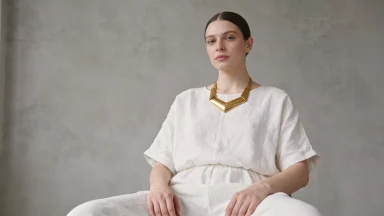
- Jewelry: Don’t be afraid of jewelry layering. Start with 2-3 delicate gold or silver chains of varying lengths. For a bolder look, add one chunkier piece to act as a focal point. While this is a popular approach, understanding the broader evolving landscape of fashion can help you pick pieces that feel contemporary.
- Bags and Shoes: These should either complement each other in color or material, or one should be a statement piece while the other is neutral. A bright red handbag, for instance, pairs best with neutral shoes that won’t compete for attention.
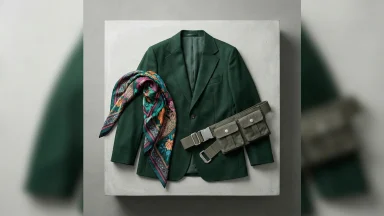
- Scarves and Belts: These are your secret weapons for adding personality and shape. A silk scarf can add a pop of color to a neutral outfit, tied on your neck, wrist, or even your handbag. A belt can cinch the waist of a loose-fitting dress or blazer, completely altering its silhouette.
Ultimately, the key is to experiment. Try one new accessory combination this week and see how it changes the way you feel in an outfit you’ve worn a dozen times. The results might just surprise you.
Navigating Fashion Trends with Confidence
Stop letting social media dictate your wardrobe. The constant pressure to adopt every new trend is a fast track to a closet full of clothes you don’t actually like and a style that feels disjointed. True style isn’t about wearing what’s popular; it’s about curating what’s right for you. The most stylish people are selective.
Treat fashion trends like spices in your kitchen. You wouldn’t throw every spice into a dish, would you? Instead, you pick one or two that complement the main ingredient—your personal style. A report from the London College of Fashion noted that nearly 70% of micro-trends fade within a single season, making thoughtful selection critical. Before buying into a new look, consider if it enhances what you already own by learning how to approach the evolving landscape of fashion.
The underrated factor here is longevity. Ask yourself if you can see yourself wearing the item in a year. This simple question helps separate fleeting fads from timeless additions and promotes more sustainable fashion choices. It’s the difference between buying a well-made trench coat and a neon green crop top (unless that’s genuinely your thing, of course).
Authenticity always wins.
Ultimately, trends are merely suggestions, not mandates. Use them as a source of inspiration to refresh your look, but never let them overshadow the core of who you are and what makes you feel fantastic.
Common Fashion Mistakes to Avoid and How to Fix Them
Let’s be blunt: most style journeys start with a series of spectacular failures. You buy things that look great on a mannequin but disastrous on you. You chase trends that die a week later. The real problem isn’t making mistakes; it’s repeating them because you haven’t identified the root cause. Stop throwing money at clothes that don’t serve you.
The biggest blunders are often the most basic. They are also the easiest to fix once you know what to look for. Think of this less as a list of rules and more as a diagnostic guide for your wardrobe’s most common ailments. Fixing them is the first real step toward developing a personal style that actually works.
The Importance of Fit and Tailoring
You could be wearing a thousand-dollar suit, but if it fits like a potato sack, you look like you borrowed it. Fit is everything. It is the single most important factor in looking put-together, and what most people miss is that off-the-rack clothing is designed for an average that doesn’t actually exist. Your body has unique proportions, and your clothes should honor them.
Spending a little extra on tailoring isn’t an indulgence; it’s an investment that transforms a $50 pair of trousers into something that looks custom-made. A simple hem, a dart in the back of a shirt, or taking in the waist of a blazer can make a world of difference. Finding a good, affordable tailor is like finding a secret weapon for your wardrobe.
Overcoming Impulse Purchases
That bright pink sweater on the 70% off rack is calling your name. It feels like a steal, a rush of instant gratification. But what good is a bargain if it just gathers dust in your closet? According to a study in The Journal of Consumer Psychology, a surprising 64% of impulse fashion buys are worn fewer than three times. That’s not a deal; it’s expensive clutter.
Impulse buying is often driven by emotion—boredom, the thrill of the hunt, or the fear of missing out on a trend. The fix requires shifting from a reactive mindset to a proactive one. You need a plan before you even think about shopping.
Creating a Shopping List
Never go into a store or browse online without a clear mission. Before you shop, audit your closet and identify genuine gaps. Do you need a reliable pair of black pants? A versatile white blouse? Write it down. A list acts as your defense against the siren song of sales racks and keeps you focused on what will actually improve your wardrobe, not just add to it.
Setting a Budget
This sounds boring, but it’s liberating. A budget forces you to be intentional. Instead of buying five cheap, trendy tops that will fall apart, you can save for one high-quality piece you’ll wear for years. Decide on a monthly or quarterly fashion budget and stick to it—your wallet and your closet will thank you. It forces you to prioritize quality over quantity.
Mixing Patterns and Textures Effectively
Too many people play it safe, sticking to a sea of solid colors. Their closets are functional but ultimately uninspired. Fear of clashing is the primary culprit, but the reality is that mixing patterns and textures adds depth and personality to an outfit. It’s what separates a boring look from a memorable one.
The key is to follow a few simple guidelines. When mixing patterns, vary the scale—a large floral print works well with a small, tight pinstripe. Anchor the patterns with a shared color to create harmony. For textures, think about contrast: pair something smooth like silk with something rough like tweed, or a chunky knit with sleek leather. Understanding the evolving landscape of fashion can provide inspiration, but the execution has to be your own. Don’t just copy; create a combination that feels right to you.
Your Style Is a Living Document
Defining your personal style isn’t a final destination you arrive at; it’s an ongoing conversation with yourself. The clothes you’ve curated are just the vocabulary. The real art begins now, in the daily practice of getting dressed and observing how your choices make you feel. Your wardrobe will evolve as your life, career, and tastes change, and that’s not just okay—it’s the entire point.
So, what’s the next practical step? For the next 30 days, start a simple style journal. Each morning, jot down what you chose to wear and, more importantly, one word describing how it made you feel. Confident? Creative? Uncomfortable? This simple act of reflection will provide more valuable data than any fashion magazine, turning the abstract concept of ‘style’ into a tangible, personal, and continuously unfolding story.
Frequently Asked Questions
How do I find my personal style if I’m a complete beginner?
Start with introspection and inspiration. Create a mood board on a platform like Pinterest, saving images of outfits you’re drawn to. Then, analyze your current closet for the items you wear most often. This process helps you discover patterns in your taste and identify what makes you feel most confident.
What are the absolute primary items for a basic capsule wardrobe?
Focus on high-quality, versatile basics in neutral colors. Key essentials typically include a few classic t-shirts (white, black, grey), well-fitting dark-wash jeans, tailored trousers, a simple knit sweater, and a timeless piece of outerwear like a trench coat or blazer. These items form a solid foundation for countless outfits.
How can I make my outfits look more expensive without spending a lot?
The secret lies in fit, fabric, and finishing touches. Ensure your clothes are tailored to fit you perfectly, even if they’re from a budget-friendly store. Prioritize good quality accessories, like a structured handbag or a classic leather belt, as they can instantly elevate an entire look. Finally, simple grooming—like steaming your clothes to remove wrinkles—makes a huge difference.
Is it okay to follow fashion trends, or should I stick to classics?
A balanced approach is most effective. Your wardrobe’s foundation should be built on timeless, classic pieces that suit your body and lifestyle. Then, you can selectively incorporate one or two current trends each season as accents. This allows you to keep your style feeling modern and fresh without being a victim of fleeting fads.
What are common mistakes beginners make when building their wardrobe?
A primary mistake is buying for a fantasy lifestyle instead of their actual daily needs. Others include prioritizing quantity over quality, leading to a closet full of poorly made clothes, and ignoring the importance of proper fit. Many also buy trendy statement pieces without having the versatile basics needed to style them effectively.