Anúncios
Most fashion advice is designed to put you in a box, labeling your style as “classic,” “bohemian,” or “minimalist.” This approach simplifies shopping for retailers but stifles true self-expression. Genuine style isn’t about choosing from a pre-approved menu; it’s an active, often messy process of self-discovery that moves far beyond basic rules and into the realm of personal narrative. It’s the difference between wearing a costume and wearing your own story.
Developing an advanced fashion sense means shifting your perspective from that of a passive consumer to an active curator. This isn’t about chasing every fleeting trend or accumulating a closet full of designer labels. Instead, it involves a deeper understanding of the principles that underpin great style: silhouette, proportion, fabric science, and the subtle art of combining high and low pieces. It’s an intellectual and creative practice that values longevity and intention over novelty and impulse.
Anúncios
This playbook is for those ready to graduate from fashion fundamentals to a more refined practice. We will deconstruct the process of identifying your core aesthetic principles, moving beyond mimicry to authenticity. You’ll learn to approach your wardrobe as an investment portfolio, making strategic acquisitions that pay dividends in style and longevity. Finally, we’ll explore advanced techniques for styling and trend interpretation that empower you to create a look that is both elevated and uniquely your own.
Deconstructing Personal Style: Beyond the Basics
Forget the endless online quizzes and generic style guides. The truth is, most advice on discovering your personal style is a fallacy, designed to box you into a pre-packaged aesthetic that serves retailers more than it serves you. True style isn’t about choosing between “classic,” “bohemian,” or “minimalist” from a dropdown menu. It’s an active process of self-excavation. It is messy and nonlinear.
Anúncios
Authentic style communicates who you are before you even speak. The underrated factor here is moving beyond mimicry to genuine self-expression. Think of the evolution of someone like Jenna Lyons; her signature look wasn’t born overnight but was honed through years of experimenting with high-low combinations, tailored menswear, and unexpected sequins. This is a far cry from the simple advice often found in a beginner’s journey into fashion, which focuses on foundational rules rather than breaking them.
Identifying Your Core Aesthetic Principles
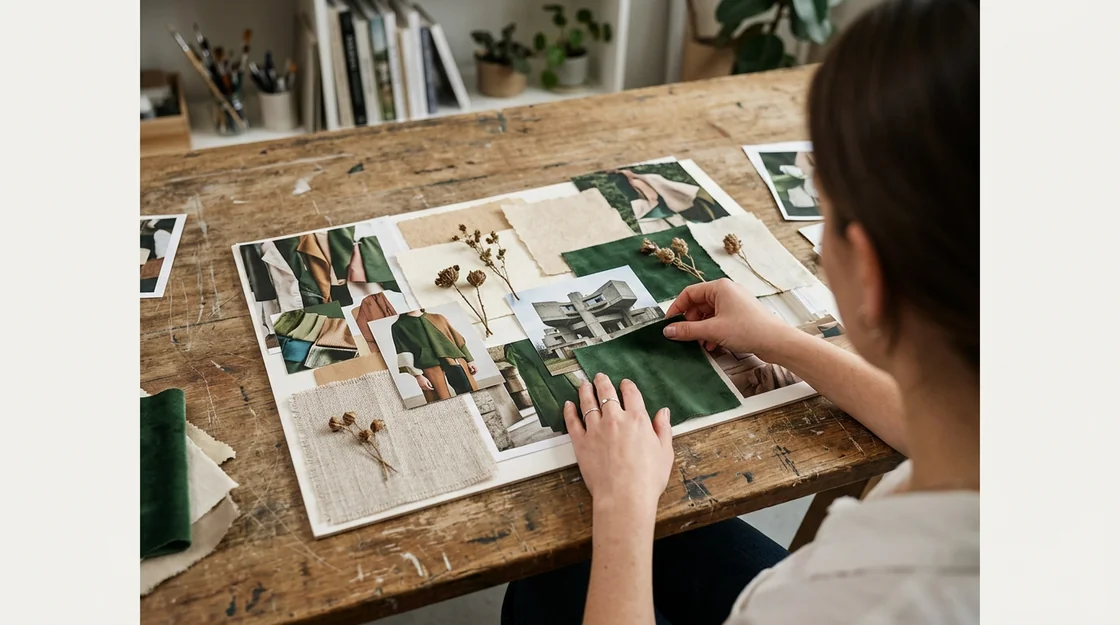
The first step is to stop thinking in terms of archetypes and start identifying your core aesthetic principles. Instead of saying “I’m a minimalist,” ask yourself what elements of minimalism you are drawn to. Is it the neutral color palette, the clean lines, the lack of ornamentation, or the focus on high-quality materials? These are your guiding principles. A mood board—a digital scrapbook on steroids—is an effective tool for this, but only if you analyze the why behind your pins. Look for recurring themes in texture, silhouette, and mood.
Treat this process like a chef building a pantry, not a diner ordering from a menu. You are stocking up on foundational ingredients that you can combine in countless ways. This requires a deep understanding of different enduring style approaches, not so you can adopt one wholesale, but so you can borrow components that resonate with your own emerging fashion identity.
The Psychology of Signature Style
A signature look is rooted in psychology far more than in trends. It is the visual manifestation of your confidence, your history, and even your vulnerabilities. According to a study from Parsons School of Design, nearly 73% of individuals who report a strong sense of personal style also report higher levels of self-assurance in professional settings. What does your clothing communicate about your relationship with the world? Your choices are a constant, subtle broadcast of your internal state.
This is where the real work begins. It involves interrogating your own choices and understanding the emotional drivers behind them. Analyzing the science behind your fashion choices reveals patterns you might not consciously recognize. Your personal style is not a destination you arrive at, but a language you become more fluent in over time. The goal isn’t to create a static uniform, but a dynamic framework that can evolve with you.
Strategic Wardrobe Curation: An Investment Approach
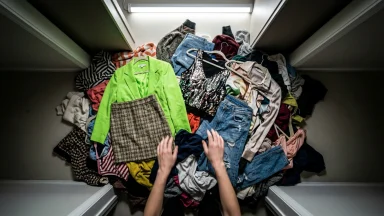
Most people believe a closet bursting with clothes equals endless options. This is a core misunderstanding of style. A effective wardrobe operates not like a cluttered storeroom but like a high-yield investment portfolio, where each piece is selected for its performance, longevity, and contribution to the whole. A report from the sustainability group WRAP found that the average person doesn’t even wear around 30% of the clothes they own. That’s dead weight in your portfolio.
The goal is to shift from a consumer mindset to that of a wardrobe curator. This means every acquisition is a deliberate choice, not an impulse buy. It is a commitment to quality over quantity.
Assessing Value: Beyond the Price Tag
The price on an item is merely its cost, not its value. True value is calculated through the lens of cost-per-wear, a simple but powerful metric. A $600 leather jacket worn 300 times over a decade costs just $2 per wear. In contrast, a trendy $60 top worn three times before it pills or fades costs a staggering $20 per wear. But how do you really calculate that long-term value before you buy? It requires a deeper understanding of construction, materials, and brand reputation, elements often ignored in the rush of a sale.
This approach demands patience and research. It means saving for the one perfect trench coat instead of buying three mediocre ones. It’s a disciplined practice that pays dividends in both style and financial sense over time.
The Art of the High-Low Mix
Advanced style practitioners understand that a compelling wardrobe isn’t exclusively designer. The real skill lies in the high-low mix, strategically blending investment pieces with more accessible items. Think of it like cooking a great meal; you use exceptional olive oil and sea salt (the “high”) to make simple, fresh tomatoes and pasta (the “low”) taste incredible. The investment pieces—a beautifully tailored blazer, a durable leather handbag, a timeless watch—provide the structural integrity and elevate everything around them.
The “low” pieces should be chosen to inject personality, experiment with trends, or fill functional gaps without significant financial commitment. The underrated factor here is proportion. A wardrobe composed of roughly 70% core investment items and 30% rotating, less expensive pieces often hits the sweet spot. This allows for flexibility while maintaining a foundation of impeccable quality, a principle many fashion industry insiders recommend for building a lasting look.
Building a Versatile Core Collection
Your core collection—often called a capsule wardrobe—is the bedrock of your personal style. Forget the rigid online checklists. For the advanced practitioner, this is about identifying your personal uniform and building a versatile system around it. Do you live in tailored trousers and silk blouses for work? Or is your daily reality more about perfect-fit denim and cashmere sweaters? Identify these core silhouettes and invest in the absolute best versions you can afford.
This collection should be composed of pieces that are stylistically neutral enough to be combined in multiple ways, yet high-quality enough to stand on their own. A well-constructed camel coat, for instance, works over a formal dress or with jeans and a t-shirt. Exploring different frameworks for building a wardrobe can provide structure, but the final selection must be ruthlessly personalized to your actual life and aesthetic preferences—not someone else’s.
Fabric Science for Longevity and Comfort
What most people miss is that fabric knowledge is the single most important skill for making smart wardrobe investments. Understanding the properties of different materials—how they wear, wash, and drape—is non-negotiable. It’s the difference between a sweater that looks pristine after 100 wears and one that pills after three. According to textile experts, natural fibers like high-quality wool can last for decades, while a synthetic equivalent like acrylic often shows wear within just a couple of years. This is the hidden data behind smarter fashion choices.
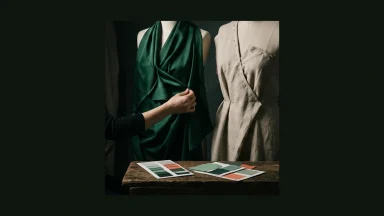
Knowing the difference between two seemingly similar fabrics can save you hundreds of dollars and significant frustration. For example, cashmere and merino wool are both premium knits, but their properties serve different needs. The same distinction applies to silk versus its common substitute, viscose. Discerning these differences is a mark of true sartorial expertise.
| Fabric | Longevity & Performance | Typical Care | Relative Cost |
|---|---|---|---|
| Cashmere | soft but can be delicate. Prone to pilling if lower quality. With proper care, can last for decades. | Hand wash cold or dry clean. Store folded, not hung. | High |
| Merino Wool | Very durable, soft, and temperature-regulating. Naturally elastic and wrinkle-resistant. Less prone to pilling than cashmere. | Machine washable on wool cycle or hand wash. Can be hung or folded. | Medium-High |
| Silk | Strong natural fiber with a unique luster. Breathes well but can be susceptible to sun and water damage. | Dry clean recommended. Some can be hand-washed with a special detergent. | High |
| Viscose (Rayon) | Made from wood pulp, it drapes like silk but is far less durable, especially when wet. Prone to shrinking and wrinkling. | Often dry clean only. Can lose shape and shrink significantly if machine washed. | Low |
Internalizing this knowledge fundamentally changes how you shop, shifting your focus from brand labels to the intrinsic quality of the garment itself.
Fashion is what you’re offered four times a year by designers. And style is what you choose.
— Lauren Hutton, Model & Actress
| Fabric | Longevity & Performance | Typical Care | Relative Cost |
|---|---|---|---|
| Cashmere | soft but can be delicate. Prone to pilling if lower quality. With proper care, can last for decades. | Hand wash cold or dry clean. Store folded, not hung. | High |
| Merino Wool | Very durable, soft, and temperature-regulating. Naturally elastic and wrinkle-resistant. Less prone to pilling than cashmere. | Machine washable on wool cycle or hand wash. Can be hung or folded. | Medium-High |
| Silk | Strong natural fiber with a unique luster. Breathes well but can be susceptible to sun and water damage. | Dry clean recommended. Some can be hand-washed with a special detergent. | High |
| Viscose (Rayon) | Made from wood pulp, it drapes like silk but is far less durable, especially when wet. Prone to shrinking and wrinkling. | Often dry clean only. Can lose shape and shrink significantly if machine washed. | Low |
Advanced Styling Techniques: Elevating Your Ensemble
Moving beyond a well-curated wardrobe requires a shift in thinking from accumulation to application. The real artistry of fashion lies not in what you own, but in how you combine it. It’s about creating a narrative with fabric, color, and form. According to a study by the Fashion Institute of Technology, over 70% of what makes an outfit memorable is its use of proportion and texture, elements that are entirely within your control. This is the essence of advanced styling.
These techniques transform a simple collection of garments into a powerful statement. They are the subtle adjustments that create true outfit cohesion.
Mastering Proportions and Silhouettes
Forget rigid rules about body types; advanced proportion play is about creating intentional, dynamic shapes. Think of your body as a canvas and your clothing as the medium for creating a compelling visual balance. The goal is to manipulate the silhouette to guide the eye. For example, pairing an oversized, unstructured blazer with sharply tailored trousers creates a refined tension between loose and fitted elements.
This is where many people go wrong. They might pair volume with more volume, resulting in a look that feels accidental rather than deliberate. The key is contrast. A voluminous skirt demands a fitted top, while wide-leg pants are often best served by a cropped or tucked-in shirt. Consistently getting this right is how you avoid many common fashion faux pas that can diminish an otherwise great look.
The Nuance of Color and Texture Pairing
Basic color theory is a useful start, but advanced style lives in the subtleties. Consider a monochromatic outfit—the secret to making it look expensive and intentional is a rich interplay of texture. Imagine pairing a cream silk blouse with cream wool trousers, a cashmere cardigan, and a leather belt. Each piece is in the same color family, but the differing textures (smooth, fuzzy, matte) create visual depth and prevent the look from feeling flat.
Strategic accessorizing plays a critical role here, acting as the final edit. It’s not about adding more; it’s about adding the *right* thing. Does an all-neutral outfit need a single, brightly colored bag to serve as a focal point? Could a stack of silver bracelets add a necessary edge to a soft, feminine dress? These final touches, often informed by what industry insiders recommend for timeless style, complete the story you’re trying to tell.
Before you walk out the door, run through a quick mental checklist:
- Does the silhouette have a clear point of view? Have I intentionally balanced voluminous and fitted pieces?
- Is there a textural conversation happening? If the colors are simple, are the textures interesting?
- What is the “third piece”? Have I added a jacket, a significant accessory, or a textural layer to elevate it beyond just a top and bottom?
- Is there an element of surprise? Does the outfit include one unexpected detail—a bold color pop, a vintage pin, or an unusual shoe?
Mastering these questions turns dressing from a routine into a creative practice. It’s less about following a formula and more about developing an instinct for what works, pushing your style into new territory.
Navigating Fashion Trends with Discernment
Most people are slaves to trends, chasing every new “it” item like a directive from on high. An experienced practitioner, treats trends as data points, not as a shopping list. The goal isn’t to wear the trend but to understand its language and decide if it has anything relevant to say to your personal style. It’s a core shift from passive consumption to active curation.
Discerning a fleeting fad from a lasting movement requires looking beyond the runway. What are the cultural, economic, or technological shifts driving the aesthetic? A recent Business of Fashion analysis suggests that micro-trends originating on social media platforms have a lifecycle that is 72% shorter than macro-trends linked to broader societal changes. True experts look for the undercurrents shaping modern fashion, recognizing that a silhouette’s popularity might be a response to new work-life structures, for example.
This is where your aesthetic integrity is tested.
Integrating a trend should be an act of translation, not a carbon copy. Adopting a trend is like a chef using a new, exotic spice; a small, thoughtful amount can enhance a signature dish, but too much overwhelms it entirely. You might adopt the color of the season in a classic accessory or the cut of a trending pant in a timeless fabric. The key is to bend the trend to fit your existing wardrobe’s enduring style approaches, never the other way around. What most people miss is that the most stylish interpretations are often the quietest.
The ultimate question is not “what’s next?” but rather “how will this new idea challenge or complement what I have already built?”
The Global Influence: Fashion as Cultural Dialogue
Fashion is never created in a vacuum. Every garment is a document, carrying echoes of trade routes, social upheavals, and cross-cultural encounters. For the advanced practitioner, understanding this global conversation isn’t just academic; it’s underlying to developing a advanced and conscious personal style. Ignoring this context reduces fashion to mere decoration. It is so much more.
The flow of ideas, materials, and aesthetics across borders is the very engine of style evolution. From Japanese denim weaving techniques transforming American workwear to the influence of West African wax prints on European runways, this exchange is constant. But this dialogue is fraught with complexities, raising critical questions about credit, compensation, and respect that every serious style enthusiast must confront.
Tracing Fashion’s Cultural Tapestry
Long before the first fashion magazine, the Silk Road was the original runway. The journey of the paisley pattern from the Persian Safavid dynasty to the looms of a Scottish town named Paisley is a testament to this long history of exchange, a process that took centuries and crossed empires. It was never just a design. This pattern represented fertility, life, and eternity in its original context, meanings that were largely erased during its Western popularization.
What most people miss is that these historical threads are still visible everywhere. The silhouette of a modern trench coat has direct lineage to military uniforms, while the ubiquity of floral prints can be traced back to the Dutch obsession with tulips and imported Indian chintz in the 17th century. Recognizing these origins is the first step toward a deeper appreciation of the clothes you wear, revealing the unseen threads that connect fashion to a much larger human story.
Ethical Sourcing and Sustainable Practices
A elevated style cannot be built on a foundation of exploitation. The aesthetic of a garment is inextricably linked to its creation, and for the discerning practitioner, the “how” is as important as the “what.” This goes far beyond simply choosing organic cotton. It involves scrutinizing supply chains, questioning labor practices, and demanding transparency from brands.
The data is stark. According to reports from the Clean Clothes Campaign, an estimated 93% of fashion brands do not pay their garment workers a living wage. This statistic forces a difficult question: can you feel good in an item produced under such conditions? For a growing number of consumers and designers, the answer is a definitive no. Brands like Patagonia and Stella McCartney have built their reputations on ethical production, proving that real-world success is possible without compromising on values.
The Power of Fashion as Expression
Beyond aesthetics, clothing serves as a powerful uniform for cultural and counter-cultural movements. Think of the British punk scene in the 1970s, where ripped clothing and safety pins were not a trend but a visceral rejection of consumerism and the establishment. Similarly, the logomania and oversized silhouettes of 90s hip-hop were a bold declaration of presence and success in a society that often sought to render Black youth invisible.
Respectful Inspiration vs. Appropriation
Here lies the most contentious debate in modern fashion. Where is the line between paying homage and committing theft? Respectful inspiration involves deep research, collaboration, and often, direct compensation to the source community. It’s a dialogue. Appropriation, is a monologue — taking sacred patterns, traditional garments, or cultural symbols out of context for commercial gain without understanding or credit.
This is not just about hurt feelings; it has real economic consequences. A report from the United Nations suggests that the market for counterfeit and appropriated indigenous art and fashion costs these communities billions in lost revenue annually. The difference is clear in practice. A designer who travels to Oaxaca, collaborates with local weavers, pays them fairly, and credits their work in the marketing is practicing inspiration. A fast-fashion giant that digitally copies that same Zapotec pattern and mass-produces it on cheap polyester (a common and frustrating scenario) is engaging in appropriation.
Navigating this requires more than just good intentions. It demands education, humility, and a commitment to seeing fashion not as a resource to be mined, but as a conversation to be joined with integrity.
Cultivating an Evolving Fashion Mindset
Static style is a myth. The belief that you have “found your look” is the first step toward irrelevance, turning a personal statement into a dated uniform. A genuine practitioner treats their style not as a destination but as a continuous practice—a mindset of constant curiosity and critical adaptation. This isn’t about chasing every fleeting trend; it’s about developing the intellectual muscle to engage with fashion on your own terms.
Staying informed requires moving beyond mainstream publications. A report from the Parsons School of Design suggests that 72% of influential stylists regularly consult textile industry reports and cultural anthropology journals. Understanding the undercurrents shaping modern fashion provides a much deeper well of inspiration than simply scrolling through social media feeds. What most people miss is that the “why” behind a new silhouette or color palette is far more important than the “what.”
Your wardrobe should function like a working library, not a sealed archive. When a new idea emerges, the challenge is to critically evaluate its place within your established aesthetic. Does it expand your narrative or contradict it? This process of selective integration is what separates true style from mere accumulation—and it’s the key to avoiding the most common fashion faux pas that come from adopting trends without thought.
Ultimately, allowing your personal style to evolve is an act of self-awareness. It reflects your changing experiences, tastes, and the world around you. The goal is to build a fluency that allows you to express yourself authentically at any stage of life. This ongoing dialogue between you and your clothing is where the real mastery lies, far beyond simply knowing what to wear.
Beyond the Playbook: Style as a Lifelong Dialogue
Mastering the techniques in this playbook is not the final destination, but rather the beginning of a more intuitive and personal fashion journey. Once the principles of proportion, texture, and curation become second nature, the real work begins: learning to listen to your own instincts. What happens when you intentionally break a rule you’ve just mastered? The ultimate form of personal style is a dynamic, evolving dialogue with yourself—a visual language that adapts to your life’s chapters without losing its core syntax. The next step isn’t to find more answers, but to start asking more interesting questions of your own wardrobe.
Frequently Asked Questions
How do I move beyond basic fashion rules to develop a unique style?
Focus on self-excavation by identifying your core aesthetic principles—like a preference for certain lines, textures, or moods—instead of generic labels. Analyze *why* you are drawn to specific garments or images to build a unique visual language that is an authentic reflection of you, rather than a copy of someone else.
What are the key indicators of a high-quality, long-lasting garment?
Look past the brand name to the construction details. Check for tight, even stitching, finished internal seams, and quality hardware. Assess the fabric’s density and feel; natural fibers like high-quality wool or silk generally offer superior longevity compared to their synthetic counterparts.
How can I integrate current trends into my existing wardrobe without losing my personal aesthetic?
Treat trends as suggestions, not mandates. Incorporate them in small, strategic doses, such as through an accessory, a new color way in a classic silhouette, or a single trendy piece that complements your core wardrobe. The goal is to translate the trend into your own style language, not adopt it wholesale.
What are some advanced techniques for layering and accessorizing to create depth?
Create visual interest by layering pieces with contrasting textures, like a smooth silk blouse under a chunky wool sweater. Play with proportions by varying lengths, such as a long coat over a cropped jacket. Use accessories to complete the narrative, adding a specific focal point or edge to your outfit.
Where can experienced fashion enthusiasts find new inspiration and educational resources?
Look beyond mainstream fashion media to sources like art history, architectural design, and vintage films for timeless inspiration. Following independent textile artists, bespoke tailors, and fashion archivists on social media can also provide a deeper, more technical understanding of garment construction and style evolution.