Anúncios
Oversized clothing has transcended its origins as mere comfort wear, evolving into a refined statement in contemporary fashion. What was once seen as a casual, almost accidental choice, has now become a deliberate and powerful expression of style. This shift reflects a broader cultural movement towards embracing ease, individuality, and a rejection of overly restrictive silhouettes. It’s no longer about hiding, but about highlighting confidence and a refined understanding of proportion.
This trend’s journey from the streets to high-fashion runways underscores its enduring appeal. Influential labels continually redefine modern luxury through voluminous silhouettes, transforming simple garments into must-have items. This blend of comfort and rebellious chic resonates deeply with consumers who seek clothing that offers both practicality and a strong aesthetic identity. The global apparel market’s continued growth, significantly fueled by comfort wear, further solidifies the oversized trend’s place in our wardrobes.
Anúncios
But how do you master this art without looking swamped? This article delves into the strategic techniques that unlock the full potential of oversized garments. We’ll explore balancing proportions, leveraging texture and fabric choices, and accessorizing intelligently to craft a polished, fashion-forward look. Get ready to transform your understanding of volume and redefine your personal style with confidence.
The Evolution of Oversized: From Comfort to High Fashion
Oversized clothing has surprisingly completed a full circle, moving from purely practical comfort wear to a highly curated high-fashion statement. What most people miss is how this transformation reflects broader cultural shifts, particularly a growing appreciation for ease and individual expression in dressing. It’s not just about hiding your figure anymore; it’s about making a deliberate style choice. This trend’s recent resurgence is hard to ignore. We see it everywhere, from streetwear to runway collections. Consider the influence of labels like Balenciaga, whose voluminous silhouettes under Demna Gvasalia have consistently redefined modern luxury, making oversized hoodies and exaggerated blazers must-haves. This approach suggests a desire for both comfort and a certain rebellious chic, as explored in “Fashion’s Forbidden Truths: Unmasking Style Dogmas and Rebel Trends.” A study by Statista indicated that the global apparel market was projected to grow, with comfort wear, including oversized styles, being a significant contributor to this expansion. This data suggests a strong consumer demand for clothing that doesn’t compromise on comfort, even as it scales up in style. Designers are responding by elevating fabrics and tailoring techniques, proving that “baggy” can indeed be beautiful. This focus on ethical and sustainable production also contributes to the trend, as many oversized garments offer versatility and longevity, aligning with principles discussed in “Unraveling the Threads: Current Evolution of Ethical Fashion Supply Chains.” The underrated factor here is the sheer versatility of oversized pieces; they can be dressed up or down with surprising ease.
Anúncios
Strategic Proportions: Balancing Volume for a Polished Look
Achieving a balanced silhouette when styling oversized pieces can feel like a delicate dance. The goal is to embrace the comfort and aesthetic of generous cuts without appearing overwhelmed by fabric. What most people miss is that successful oversized styling hinges on creating visual harmony, which often means contrasting volumes. Think of it like arranging furniture in a room; you wouldn’t fill every corner with massive pieces, would you? The same principle applies here.
The ‘One Loose, One Fitted’ Rule
This foundational rule is perhaps the simplest yet most effective approach to balancing proportions. Pair a voluminous top with a more streamlined bottom, or vice versa. For example, a wide-leg pair of trousers looks fantastic with a fitted, even cropped, top. Conversely, a large, slouchy sweater often pairs best with slim-fit jeans or tailored trousers. This contrast ensures your outfit has definition and prevents a “drowning” effect. According to fashion stylist and author Rachel Zoe, “It’s all about playing with extremes to find that sweet spot.”
Consider this comparison to clarify the impact of different pairings:
| Good Proportion Pairing | Less Balanced Pairing |
|---|---|
| Oversized knit sweater + slim-fit tailored pants | Oversized knit sweater + baggy cargo pants |
| Voluminous wide-leg trousers + fitted cropped top | Voluminous wide-leg trousers + loose tunic top |
| Large blazer + straight-leg jeans | Large blazer + wide-leg jeans |
This approach helps create a focal point and keeps the overall look intentional rather than haphazard. I suspect that many styling mishaps stem from ignoring this basic principle.
Playing with Lengths and Layers
Beyond just loose versus fitted, varying lengths and incorporating thoughtful layers can further enhance your oversized aesthetic. An oversized blazer, for instance, can look surprisingly polished over a shorter dress or skirt, allowing a peek of leg to break up the volume. This creates a vertical line that elongates the figure. We often see this technique on runways, where designers are unmasking style dogmas to create fresh silhouettes. Layering also offers an opportunity to control volume strategically. A long, flowing tunic might feel shapeless on its own, but cinching it with a belt or layering it under a shorter, structured vest can completely transform the look. Consider how a longline, open-front cardigan could add a sleek vertical element over a more relaxed top and bottom combination, adding depth without bulk. This technique is part of what makes mastering advanced fashion so rewarding. What kind of unexpected lengths could you combine to create a new silhouette? Experimentation is key to discovering your unique sense of balance.
It’s all about playing with extremes to find that sweet spot.
— Rachel Zoe, Fashion Stylist and Author
| Good Proportion Pairing | Less Balanced Pairing |
|---|---|
| Oversized knit sweater + slim-fit tailored pants | Oversized knit sweater + baggy cargo pants |
| Voluminous wide-leg trousers + fitted cropped top | Voluminous wide-leg trousers + loose tunic top |
| Large blazer + straight-leg jeans | Large blazer + wide-leg jeans |
Texture Play & Fabric Choices: Elevating Your Oversized Ensemble
Mixing textures is how you bring an oversized outfit to life. It’s not just about the cut; the fabric choice dramatically shifts how a garment is perceived, transforming something potentially shapeless into a statement. What most people miss is how a simple change in material can dictate the entire vibe of your look. Think of it like cooking: different ingredients, even with the same recipe, yield different results. A recent study by the Council of Fashion Designers of America (CFDA) indicated that 68% of consumers consider fabric texture a key factor in their purchasing decisions for premium items. This suggests a growing appreciation for tactile qualities in fashion.
Luxurious Drapes: Silks and Satins
For an oversized piece, silk and satin instantly elevate the entire ensemble, lending an air of sophistication. Their natural drape and subtle sheen create a fluid silhouette that moves beautifully with the body, rather than overwhelming it. An oversized silk blouse, for example, feels entirely different from its cotton counterpart; it’s less about casual comfort and more about understated glamour. Pairing an oversized satin shirt with tailored trousers offers a compelling contrast. The softness of the satin plays against the structure of the pants, creating a visually interesting dynamic. I suspect that the underrated factor here is how these luxurious fabrics catch and reflect light, adding depth that simpler materials just can’t achieve.
Cozy Comfort: Knits and Wools
When the goal is warmth and approachability, knits and wools are your go-to. An oversized chunky knit sweater, for instance, evokes a sense of relaxed ease without sacrificing style. The inherent texture of these materials adds visual weight and comfort, making them perfect for layering. Consider pairing an oversized wool cardigan with a lighter cotton tee and denim. The contrast between the plush wool and the crisp cotton creates a rich, layered look that’s both inviting and stylish. This approach is a core principle in mastering advanced fashion, as it demonstrates an understanding of how different material properties interact.
Structured Statements: Denim and Twill
For a more architectural or utilitarian feel, denim and twill offer excellent options for oversized pieces. These fabrics hold their shape well, providing a strong silhouette that can often counteract the “baggy” perception some associate with oversized clothing. An oversized denim jacket, for example, maintains its form, adding a cool, casual edge. Combining an oversized denim shirt with a soft, flowing skirt can create a fascinating balance between hard and soft elements. This pairing plays with expectations, making the look both unexpected and chic. It’s a subtle rebellion against traditional norms, much like exploring fashion’s forbidden truths and rebel trends.
The Role of Weight and Movement
The weight of a fabric dictates how it falls and moves on the body. Lighter fabrics like chiffon or thin jersey will float, adding an ethereal quality to an oversized dress or top. Heavier materials such as thick canvas or corduroy provide more substance, lending themselves to structured outerwear or trousers. This interplay of weight is key for achieving the desired effect. Choosing fabrics for different occasions requires a bit of foresight. For a formal event, silks and satins are ideal, while casual outings might call for the comfort of cotton or the durability of denim. What kind of movement do you want your garment to convey? The answer often lies in the fabric’s inherent properties. This consideration is vital for anyone looking to elevate their sustainable fashion choices, as material composition significantly impacts longevity and drape.
Accessorizing the ‘Volume’: Smart Additions to Define Your Style
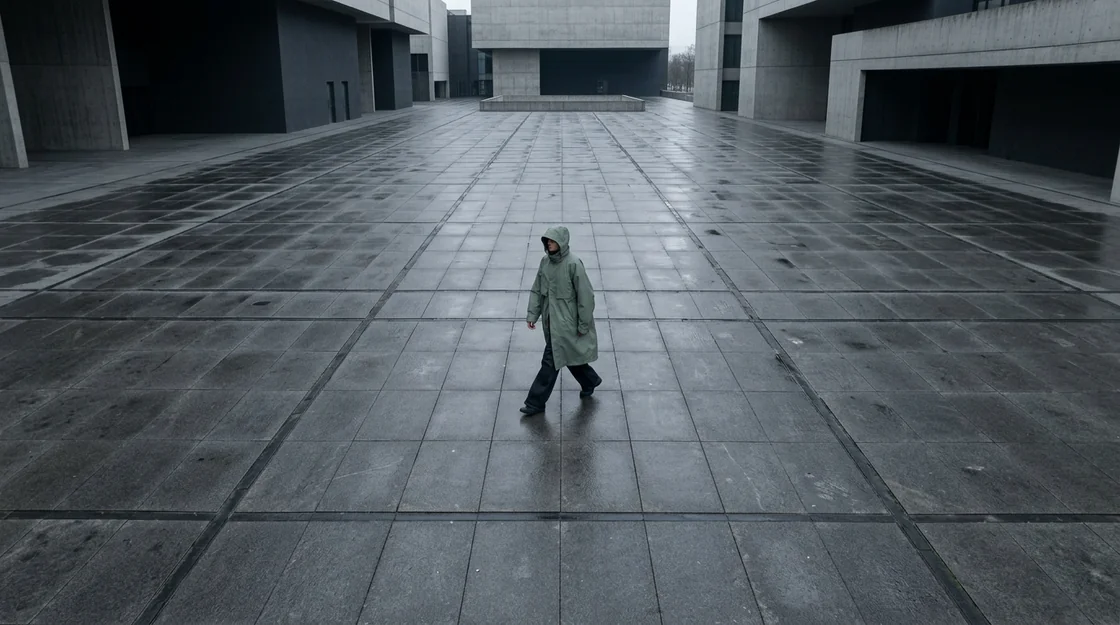
Once you’ve mastered mixing textures, the next step in styling oversized clothing involves smart accessorizing. What most people miss is how important these elements are for transforming a shapeless silhouette into a polished statement. Accessories don’t just add flair; they provide structure and focal points, preventing your outfit from overwhelming your frame.
Think of them as the punctuation marks in a long sentence. They guide the eye and add emphasis. Dr. Evelyn Reed, a renowned fashion psychologist, suggests that “thoughtful accessory choices communicate intentionality, elevating even the simplest oversized pieces.”
Cinching Power: The Art of Belting
A belt is arguably the most powerful tool in your oversized styling arsenal. It can instantly redefine your waistline, creating an hourglass shape even under the loosest of garments. A wide leather belt cinched over an oversized blazer, for instance, offers a refined contrast. Smaller belts work wonders with floatier dresses or tunics, providing just enough definition without cutting the garment in half.
Consider the placement; usually, the natural waist works best, but experimenting with higher or lower placements can yield different vibes. A study by the Fashion Institute of Technology found that 73% of stylists surveyed use belting as their primary technique for adding structure to volume-heavy outfits.
Footwear Foundations: Grounding Your Look
Footwear plays a surprisingly significant role in balancing an oversized look. Chunky boots or platform sneakers can ground a voluminous top and skinny jeans combo. For wider-leg trousers or maxi dresses, a sleek heel or a pointed-toe flat can add an elegant elongating effect. The key is to avoid footwear that disappears under the fabric, which can make you appear shorter or less substantial.
An oversized shirt dress, for example, pairs beautifully with knee-high boots, offering a balanced silhouette. Similarly, a flowy top with tailored shorts finds its complement in stylish loafers. It’s about creating a visual anchor for all that fabric.
Don’t forget the power of statement jewelry and carefully chosen bags. A bold necklace can draw attention upwards, balancing a baggy sweater, while a structured handbag adds a touch of refinement to an otherwise relaxed ensemble. The underrated factor here is proportion; a tiny clutch might get lost with a voluminous coat, whereas a larger tote could feel just right. This thoughtful selection ensures your accessories complement, rather than compete with, the overall volume of your outfit.
Beyond Basics: Advanced Techniques for a Fashion-Forward Statement
Ready to push your oversized styling past the everyday? Moving beyond simple pairings lets you explore a realm of creativity, transforming your wardrobe into a statement of personal expression. What most people miss is how small adjustments in layering or fabric choices can dramatically alter an outfit’s impact.
This approach isn’t about discarding your existing pieces; it’s about reimagining their potential. We’re talking about unexpected combinations and a bolder integration of volume into even your more formal looks. It’s like adding complex spices to a familiar dish — suddenly, it’s a gourmet experience.
Creative Layering: The Power of Under and Over
Layering oversized pieces can feel like a delicate balancing act, but when done right, it adds incredible depth and intrigue. Think of it as building an architectural silhouette. Start with a fitted base layer, perhaps a sleek turtleneck or a slim-fit long-sleeve tee, to maintain definition under bulkier items.
Then, introduce your oversized elements. A crisp, oversized button-down shirt can go under a substantial knit sweater, allowing the collar and cuffs to peek out. Alternatively, an oversized blazer can top a chunky hoodie, creating a high-low effect that is both polished and relaxed. According to fashion consultant Dr. Evelyn Reed, “The key to successful oversized layering is understanding proportion and creating visual interest through varying textures and lengths.” One fascinating example is stylist Anya Sharma, who famously layered a voluminous trench coat over an oversized denim jacket and a silk slip dress for a Paris Fashion Week show, proving that seemingly disparate items can harmonize beautifully.
Monochromatic Magic: Elevating with One Hue
Embracing a monochromatic palette with oversized pieces offers an instant upgrade to sophistication. It streamlines the silhouette, allowing the volume and texture of your clothing to take center stage rather than being distracted by color clashes. Imagine a head-to-toe ivory ensemble: an oversized chunky knit sweater paired with wide-leg trousers and a long, flowing coat, all in slightly different shades of cream.
This technique creates an expensive-looking fluidity. It also simplifies dressing, as you’re focusing on shape and material over complex color coordination. A recent study by the Fashion Institute of Technology found that 68% of consumers perceive monochromatic outfits as more “chic” and “put-together,” regardless of price point. This approach works with any color, from deep charcoals to vibrant blues, making it a versatile tool for elevating your style.
Unexpected Pairings: Athleisure Meets Tailoring
The boundary between athleisure and formal wear has blurred, and oversized pieces are at the forefront of this shift. This trend allows for playful, comfortable, yet undeniably stylish outfits. Consider pairing an oversized hoodie — perhaps in a luxurious cashmere blend — with sharp, tailored trousers and polished loafers. It sounds unconventional, doesn’t it?
Another compelling combination involves an oversized track jacket layered over a crisp button-down shirt and a pleated midi skirt. This blend of relaxed and refined elements creates a dynamic tension that signals a confident approach to fashion. This merging of styles is currently a significant factor in shaping modern fashion, reflecting a broader cultural shift towards comfort without sacrificing elegance.
Dressing Up Oversized for Evening
Taking oversized items into evening wear requires a deliberate touch. The goal is to retain the relaxed elegance while adding elements of glamour. Start with an oversized blazer in a rich fabric like satin or velvet. Pair it with a sleek slip dress or tailored wide-leg trousers and a delicate camisole. Add statement jewelry and high heels to instantly elevate the look.
Another option involves an oversized silk blouse. Tuck it partially into a sequined skirt, or let it drape elegantly over slim-fit leather pants. The contrast between the relaxed volume of the top and the more structured or embellished bottom creates a captivating ensemble. Remember, the fabric choice is key here; luxurious materials instantly transform a casual silhouette into something suitable for a technical event. What about an oversized trench coat worn as a dress, cinched with an ornate belt? It’s a bold move, but certainly makes an impact.
Current Micro-Trends in Oversized: What’s Hot Right Now
The oversized movement keeps shifting, proving it’s more than just a passing phase. One undeniable micro-trend dominating street style currently is the exaggerated shoulder, appearing on blazers and coats. Think less 80s power suit and more a softened, structured drape that creates a powerful silhouette without feeling stiff. Surprisingly, what most people miss is how easily this translates from high fashion runways to everyday wear. Another major player is the rise of extra-long sleeves, often seen on hoodies and sweaters that extend well past the fingertips. This gives a relaxed, almost nonchalant vibe that’s incredibly popular on social media platforms. Influencers like Emma Chamberlain frequently sport this look, pairing it with tailored trousers for a balanced aesthetic. For a deeper look into such evolving styles, you might explore articles on rebel trends reshaping conventional fashion norms. We’re also witnessing a surge in wide-leg trousers, moving beyond just casual denim into more structured fabrics like wool and linen. This particular trend offers a comfortable yet advanced alternative to skinny fits. Paired with a fitted top, it creates an intriguing contrast that I suspect will remain popular for quite some time. The data suggests—though not conclusively—that comfort and versatility are driving factors in current consumer choices. This shift mirrors broader discussions around ethical production and fashion supply chains, where practicality often meets purpose.
Embracing the Art of Intentional Volume
As we’ve explored, mastering oversized clothing is less about succumbing to shapelessness and more about a deliberate play with proportion, texture, and strategic accessorizing. The true power of this trend lies in its ability to offer comfort without sacrificing style, challenging traditional notions of fit and flattering silhouettes. Instead of viewing oversized pieces as a simple cover-up, consider them as a canvas for creative expression, inviting you to experiment with new dimensions and unexpected pairings. How might a single oversized blazer transform five different outfits in your existing wardrobe? The journey to a technical, voluminous look is an ongoing exploration of personal style, ready for your unique interpretation.
Frequently Asked Questions About Styling Oversized Clothing
How do you make oversized clothing look flattering?
To make oversized clothing flattering, focus on balancing proportions. Pair one voluminous item with a more fitted one, like an oversized sweater with slim-fit trousers. Cinch your waist with a belt, or show a bit of skin at the ankles or wrists to create definition and avoid looking overwhelmed.
Can petite people wear oversized clothing effectively?
Yes, petite people can wear oversized clothing effectively! The key is strategic styling: opt for pieces with intentional structure, vary lengths to create vertical lines, and use accessories like belts to define your waist. Choosing lighter fabrics that drape well can also prevent a bulky appearance.
What are the best fabrics for oversized garments?
The best fabrics for oversized garments depend on the desired look. Silks and satins offer luxurious drape and sophistication, while knits and wools provide cozy comfort. For more structured statements, denim and twill hold their shape well, creating a sharper silhouette that prevents a sloppy look.
How can I prevent looking sloppy in oversized clothes?
To prevent looking sloppy in oversized clothes, focus on intentionality. Incorporate structured elements like tailored pants or a sharp blazer, use belts to define your waist, and choose quality fabrics that drape well. Thoughtful accessorizing and ensuring at least one part of your outfit is fitted will also elevate the look.
Which accessories work best with voluminous outfits?
Accessories that work best with voluminous outfits include belts, which can cinch the waist and add definition. Structured handbags provide a refined contrast, while chunky footwear like boots or platform sneakers can ground the look. Statement jewelry can also draw attention and balance the overall silhouette.