how to build a capsule wardrobe with intentional shopping: audit your closet, define style and gaps, choose high-quality versatile core pieces, set a budget and shopping plan, and maintain items through rotation and care to maximize wear and reduce impulse purchases.
how to build a capsule wardrobe with intentional shopping helps you see which pieces deserve space in your life. Want fewer decision-mornings and outfits that actually work? Here’s a practical, human-friendly roadmap to shop with purpose and wear what you love.
defining your style: audit, goals and wardrobe gaps
how to build a capsule wardrobe with intentional shopping starts with a clear check of what you already own. A simple audit shows what you wear, what sits unused, and what truly fits your life.
Set small, practical goals before you shop again. Ask: do you need more basics, better fit, or a cohesive color story?
wardrobe audit: clear steps to sort and decide
Work in small batches: tops, bottoms, outerwear. Try pieces on and note comfort, fit, and frequency of wear. Keep only what matches your goals.
- Sort into keep, mend, donate, and sell piles.
- Try on items and photograph the fit to review later.
- Note condition and how often you wore each item last season.
- Set a time limit for decisions to avoid overthinking.
After the audit, you will see patterns. Maybe many unworn pieces are the wrong color, or several items need tailoring. These clues point to real gaps.
identify wardrobe gaps and prioritize
Look for missing building blocks that make outfits easy. Gaps often include versatile outerwear, neutral bottoms, or reliable shoes. Rank gaps by impact on daily dressing.
- Basics: neutral tees, a tailored blazer, and well-fitting jeans.
- Fit issues: items that need tailoring to look polished.
- Color and pattern balance: a limited palette that mixes well.
- Seasonal needs: weather-appropriate layers you lack.
Prioritize purchases that fill multiple gaps. A tailored blazer can lift casual tees and dress up jeans. Choosing multiuse items reduces future impulse buys.
Set measurable goals: number of pieces to add, budget per item, and a timeline. Use a capsule checklist to track planned purchases and avoid duplicates.
As you refine your list, think about quality over quantity. One well-made sweater often outperforms several low-cost options in wear and feel.
how to build a capsule wardrobe with intentional shopping becomes easier when decisions are based on real needs from your audit. With clear goals and a prioritized gap list, shopping serves purpose, not impulse.
building core pieces: quality, fit and versatile basics
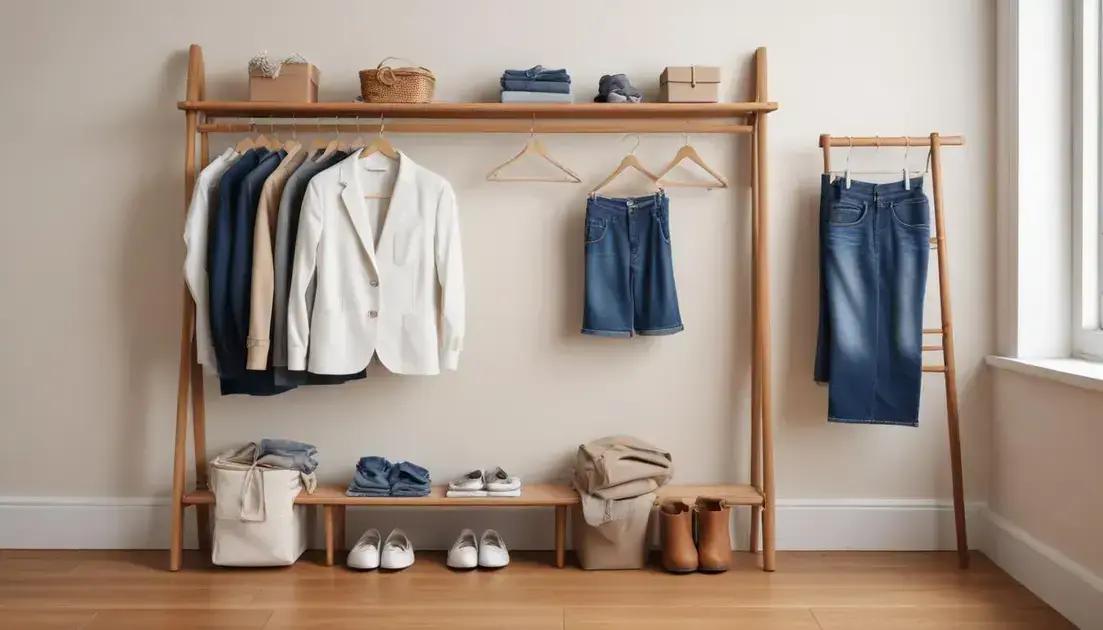
how to build a capsule wardrobe with intentional shopping starts with choosing a few reliable, mix-and-match pieces that fit your life. Pick items that feel comfortable and look polished together.
Core pieces cut decision time and help you avoid impulse buys when you shop with purpose.
choose versatile silhouettes
Select shapes that layer well and move with you. Simple lines last longer and pair with more items.
- White tee or neutral top that layers under jackets or over shirts.
- Well-fitting jeans in a clean cut that matches casual and smart looks.
- Tailored blazer to dress up tees and knitwear.
- Neutral shoes that work for many outfits, like loafers or low boots.
Aim for pieces that serve several outfits. A blazer can transform jeans and a tee into a work-ready look. Neutral tones help items mix without clashing.
prioritize fit and simple tailoring
Fit changes how a garment reads. Small tailoring makes inexpensive items look custom.
Shorten sleeves, nip in waists, or hem trousers. These small fixes boost confidence and extend wearability.
Try items on with shoes you’ll wear most. Note how layers work together and whether proportions feel balanced.
invest in quality where it matters
Spend more on pieces you wear often and that withstand wear: outerwear, shoes, and a good knit.
- Outerwear: a durable coat or jacket that holds shape.
- Shoes: quality soles and construction for comfort and longevity.
- Knitwear: midweight sweaters in natural fibers that drape well.
- Shirts and tees: pick cotton or blends that keep shape after washing.
Quality means better fabric, stronger seams, and a nicer fit. It often saves money over time because pieces last longer and need fewer replacements.
Build a color palette of two to three neutrals and one or two accent colors. This limits decision fatigue and increases outfit combinations.
Keep a short list of core pieces you still need. Buy slowly and choose items that fill multiple roles in your wardrobe.
how to build a capsule wardrobe with intentional shopping works when core pieces are chosen for fit, function, and quality. A small, well-curated set of basics makes dressing easier and more intentional.
intentional shopping strategies: planning, budgets and mindful purchases
how to build a capsule wardrobe with intentional shopping works best when you plan purchases, set a budget, and buy with clear intent. Small steps make shopping less stressful and more useful.
Intentional shopping cuts waste and saves money by focusing on items you will actually wear.
plan before you buy
Start with a short wishlist based on your audit and gaps. Limit choices to items that fill more than one role in your wardrobe.
- Make a capsule checklist: list the specific pieces you need and why.
- Set a timeline for each purchase to avoid impulse buys.
- Research styles and compare three options before deciding.
Keep your plan visible on a phone note or a printed list. Revisiting it before shopping reduces last-minute choices that don’t fit your capsule goals.
budget with purpose
Decide how much you’ll spend overall and per item. A clear budget guides you toward quality where it matters.
Think in terms of cost per wear. A higher price can be worth it if you will wear the piece often.
- Allocate more for items you’ll use daily, like shoes or a coat.
- Save on trendy or seasonal pieces that you’ll wear less.
- Use simple tracking: note purchases and remaining budget in one place.
Consider secondhand or local repair options to stay under budget while keeping quality high.
Wait for planned sale windows or set alerts for price drops on the exact items you need.
shop mindfully and test items
When you try or buy something, ask if it solves a real gap and matches your palette. Mindful choices add to outfit options, not clutter.
- Try items with pieces you already own to ensure mix-and-match potential.
- Check fabric, construction, and care needs to avoid items that wear out quickly.
- Keep return policies and alteration costs in mind before finalizing a purchase.
Use a short waiting rule: give yourself 24–72 hours to decide on non-essential buys. This often stops impulse purchases that don’t meet your capsule criteria.
Track how new items perform for a season. If a piece doesn’t earn its place, note why and adjust future choices accordingly.
Plan, budget, and shop with intent to make the capsule wardrobe practical and lasting. Clear rules and small habits help how to build a capsule wardrobe with intentional shopping become a sustainable routine.
care, rotation and seasonal tweaks to keep pieces wearable
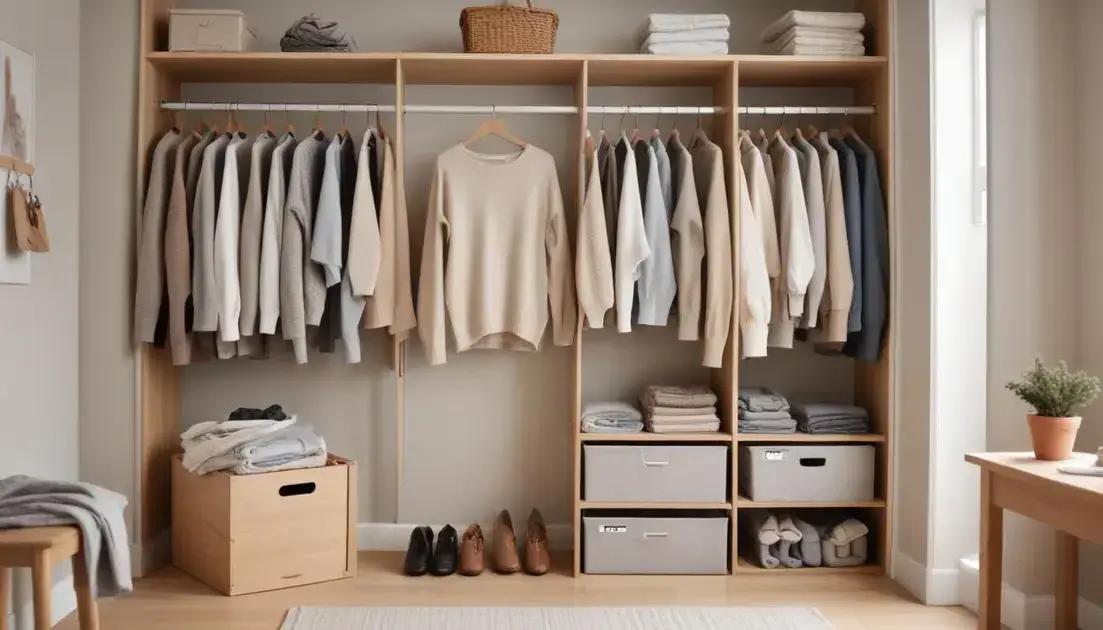
how to build a capsule wardrobe with intentional shopping relies on care and rotation to keep favorites wearable. Small routines extend life and keep your closet useful.
Think of maintenance as part of shopping: the right care means fewer replacements and smarter buys.
basic care habits that save clothes
Wash less and wash smart. Cold water and gentle cycles protect fibers and color. Air dry when you can to avoid shrinkage.
- Read labels: follow fabric care instructions exactly.
- Use a mesh bag for delicates and wash similar colors together.
- Spot clean stains quickly to avoid permanent damage.
Rotate wear to reduce stress on seams and fibers. This simple move makes pieces last longer and keeps outfits fresh.
practical rotation routines
Create a wear schedule for frequent items. Let shoes and knits rest between uses to recover shape.
- Alternate shoes every few days to let soles and insoles dry out.
- Give knits 24–48 hours between wears to regain form.
- Keep a small repair kit for quick fixes: thread, needle, spare buttons.
Track what you wear with a simple note or app. Seeing patterns helps you decide which pieces need replacement or repair.
Seasonal swaps protect fabrics from unnecessary wear. Store off-season items clean and dry to avoid pests and odor.
seasonal tweaks and storage tips
Before storing, launder or dry-clean garments and mend minor issues. Use breathable garment bags for coats and cedar for moth prevention.
- Fold heavy knits to avoid hanger stretch; hang structured coats on wide hangers.
- Rotate seasonal items back in slowly, testing fit and condition.
- Refresh fabrics with a steam or light airing before use.
Minor tailoring and weather-proofing keep pieces ready. Hem trousers for the right shoe or add a water-repellent spray to outerwear when needed.
Small, regular care plus smart rotation and seasonal checks make a capsule wardrobe last. When you treat clothes with intention, your purchases work harder and your daily choices stay simple.
how to build a capsule wardrobe with intentional shopping becomes simple when you audit what you own, pick a few quality core pieces, and plan purchases. Small habits—like rotating items, mending, and buying slowly—keep clothes wearable and cut waste. Set clear goals and a budget, then choose items that fill real gaps. Do this, and dressing will feel easier and more intentional every day.
FAQ – how to build a capsule wardrobe with intentional shopping
How many pieces should I aim for in a capsule wardrobe?
Aim for 25–40 items including shoes and outerwear, but pick a number that fits your lifestyle and climate. Quality and mix-and-match potential matter more than a fixed count.
What is the first step to start auditing my closet?
Sort items into keep, mend, donate, and sell piles, then try on pieces to check fit and comfort. Note which items you wear most to reveal real gaps.
How can I stick to a budget while shopping intentionally?
Set an overall budget and a per-item limit, focus on high cost-per-wear pieces, and watch for planned sales or quality secondhand finds. Use a checklist to avoid impulse buys.
What simple care habits extend the life of my clothes?
Wash less, use cold water, air dry when possible, mend small issues quickly, and rotate shoes and knits to reduce wear. Proper storage for off-season items also helps.