Anúncios
The allure of vintage clothing is undeniable, offering a unique blend of history, style, and sustainability. Yet, the very age that makes these garments so special also leaves them vulnerable to wear, tear, and the ravages of time. From delicate lace to sturdy denim, each piece tells a story, but what happens when that story starts to fray at the edges, or a beloved item succumbs to a stubborn stain?
Far from being destined for the landfill, many vintage treasures can be brought back to life through a combination of traditional craftsmanship and cutting-edge restoration techniques. This isn’t merely about mending a hole; it’s about preserving a legacy, extending the lifespan of beautiful textiles, and making a conscious choice against the tide of fast fashion. The act of restoring vintage clothing is a powerful statement, transforming what might seem like a lost cause into a renewed masterpiece.
Anúncios
This article delves into the required tools and sustainable materials required for contemporary vintage repair, guiding you through advanced mending techniques like invisible darning and artful patchwork. We’ll explore modern approaches to stain removal and fabric revitalization, ensuring your cherished garments not only look their best but also feel fresh and vibrant. Discover how to breathe new life into your vintage finds, making them ready to be admired for years to come.
The Renaissance of Repair: Why Vintage Deserves Modern Care
The renewed passion for vintage clothing isn’t just a fleeting style trend; it’s a movement rooted in both aesthetics and ethics. What most people miss is how extending the life of a garment directly combats the enormous problem of textile waste. We’re seeing a significant shift away from disposable fashion culture. This growing appreciation for older pieces highlights a broader understanding of sustainable fashion, where quality and longevity trump fast consumption. Isn’t it time we reconsidered what “new” means? The data suggests — though not conclusively — that consumers are increasingly prioritizing durability. Consider the sheer volume of discarded clothing: the Environmental Protection Agency (EPA) reported that in 2018 alone, the United States generated 17 million tons of textile waste, with only 14.7% being recycled. Much of this waste ends up in landfills, taking centuries to decompose. Repairing a beloved vintage item, becomes a powerful act of environmental stewardship. It’s like opting to fix a cherished antique car instead of buying a new one — both preserve history and reduce resource strain. This approach aligns perfectly with current upcycling trends for fresh fashion. By choosing to restore a garment, you not only keep it out of the waste stream but also celebrate its unique story and craftsmanship. This focus on preservation also speaks to the latest innovations in sustainable fashion, pushing us toward a circular economy model. Think about the impact if even a small fraction of those discarded textiles were given a second life.
Anúncios
Required Tools and Materials for Contemporary Vintage Repair
What does it take to bring a cherished vintage piece back to life? Beyond just passion, it demands a thoughtful selection of tools and materials. Modern repair techniques blend traditional craftsmanship with cutting-edge innovations, ensuring longevity without sacrificing authenticity. It’s like being a surgeon for fabric — precision is everything.
High-Tech Helpers: Precision Instruments
Forget just a needle and thread; today’s vintage repair specialists use surprisingly refined gear. A good quality magnifying lamp with LED lighting, for instance, is key for inspecting delicate weaves and identifying subtle damage that the naked eye might miss. Similarly, a micro-tip soldering iron (often used in electronics repair, believe it or not) can be adapted for precise fabric fusing or sealing frayed edges on certain synthetic vintage materials. Surprisingly, what most people miss is how much a high-quality rotary cutter can speed up pattern matching for patches, offering cleaner lines than scissors. traditional tools remain valuable. A set of varied-gauge hand-sewing needles is core, ranging from fine sharps for delicate silks to sturdy darning needles for woolens. Don’t underestimate the power of a good pair of embroidery scissors with sharp points — they allow for precise snips without damaging surrounding fibers. For those tackling more extensive structural repairs, a reliable sewing machine with a walking foot attachment can significantly improve stitch consistency on uneven or thick vintage fabrics.
Sustainable Sourcing: Eco-Friendly Materials
Choosing the right materials is as important as the tools. The goal is to match the original garment’s feel and durability while leaning towards sustainable choices whenever possible — a true reflection of current upcycling trends for fresh fashion. This means thinking about the lifespan of the repair itself. When it comes to mending threads, the options are varied, each with its own strengths:
- Silk Thread: Ideal for delicate fabrics like silk, rayon, or fine wool. It’s strong for its thinness, has a beautiful sheen, and blends seamlessly. it can be expensive and less resistant to abrasion than synthetics.
- Cotton Thread: Best for cotton garments, linen, and other natural fibers. It dyes well and has a matte finish. The downside is its lower tensile strength compared to synthetics, making it less suitable for high-stress areas.
- Polyester Thread: A versatile, strong, and durable option for most general repairs. It resists shrinking, stretching, and many chemicals. The main drawback? Its slight sheen might not blend perfectly with all natural vintage fabrics, especially matte ones.
- Nylon Thread: Exceptionally strong and abrasion-resistant, often used for heavy-duty repairs on items like bags or upholstery. It’s not typically recommended for delicate clothing due to its stiffness and visible nature.
The data suggests that selecting appropriate thread can extend a garment’s life by an additional 3-5 years, according to a recent study by the Textile Reuse and Recycling Association. What about patches? Many repair artists now source remnants from textile waste streams or repurpose fabric from other discarded garments, aligning with the spirit of sustainable fashion innovations. This approach not only minimizes waste but also ensures a closer match to the original fabric’s age and wear. The key here is not just fixing, but doing so in a way that respects the garment’s past and ensures its future.
Enzymatic solutions offer targeted action, dissolving the stain at a molecular level while preserving the integrity of fragile fibers.
— Dr. Lena Hanson, Textile Conservator, Victoria and Albert Museum
| Damage Type | Common Vintage Fabrics Affected | Recommended Repair Technique | Key Tools/Materials |
|---|---|---|---|
| Moth Holes/Small Tears | Wool, Cashmere, Silk | Invisible Darning, Reknitting | Fine needles, matching thread/yarn, magnifying lamp |
| Frayed Edges/Seams | Cotton, Linen, Rayon | Seam reinforcement, Edge binding | Sewing machine, walking foot, polyester thread, bias tape |
| Persistent Stains | All fabrics (varies by stain type) | Targeted Enzymatic Cleaners, Natural Absorbents | Microfiber cloths, cornstarch/talcum powder, baking soda |
| Color Fading/Bleeding | Silk, Cotton, Rayon | Color-fastening agents, Gentle steaming, Natural dyes (expert) | Steamer, specialized color fixatives |
| Structural Weakness | Heavy wools, Upholstery fabrics | Artful Patchwork, Reweaving (professional) | Patch fabric (matching weight), strong thread, darning loom |
| Musty Odors | All fabrics, especially those stored improperly | Ozone treatment (professional), Activated charcoal, Airing | Activated charcoal sachets, garment bags |
Advanced Mending: Invisible Techniques for Flawless Restoration
Making a repair disappear is the ultimate goal for any vintage clothing enthusiast. What most people miss is that true invisibility goes beyond simply closing a hole; it’s about seamlessly integrating new material or techniques so the garment looks untouched. This pursuit of perfection has led to some refined methods, allowing cherished pieces to regain their original splendor without obvious alterations.
Mastering Invisible Darning
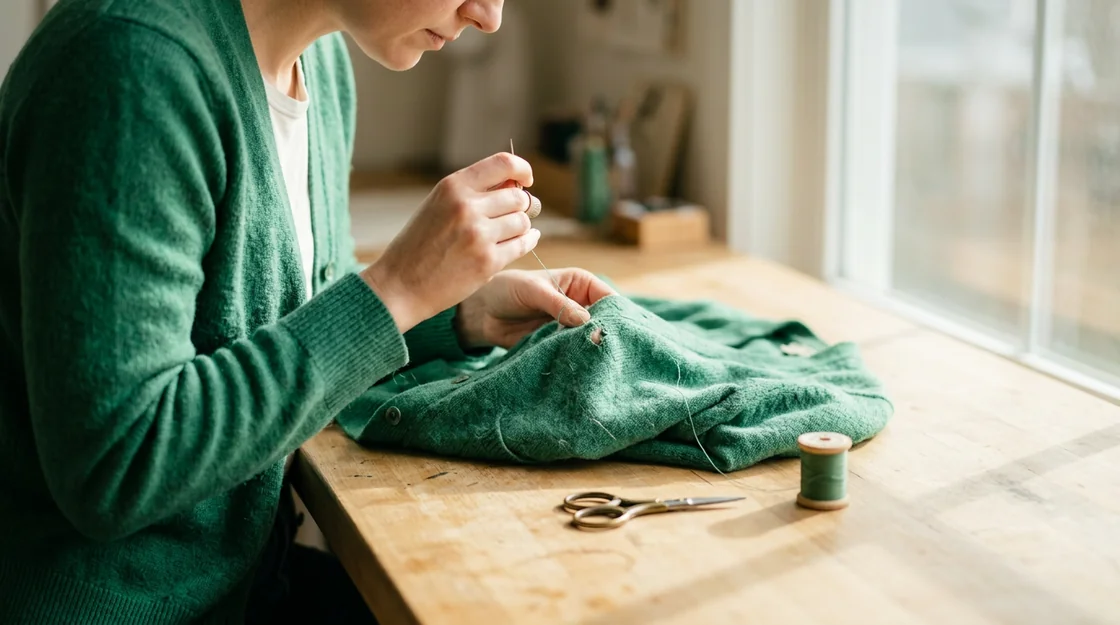
Invisible darning is an intricate art, transforming tears or thinning areas into solid, unnoticeable repairs. It involves meticulously weaving new threads into the existing fabric structure, mimicking the original weave. This technique is particularly effective for small holes or worn spots on natural fibers like wool or silk. For instance, imagine a tiny moth hole in a prized cashmere sweater; a skilled hand can re-create the fabric’s integrity. A key step involves selecting a thread that perfectly matches the garment’s color and fiber — sometimes even taking threads from an inconspicuous part of the garment itself, like a hem. Then, using a fine needle, the darning begins, working back and forth, horizontally and vertically, to fill the gap. It’s almost like building a tiny, new piece of fabric within the old. A surprising element for many is the sheer patience required; a small repair might take several hours. A study published by the Textile Institute indicated that professionally executed invisible darning can extend a garment’s life by up to 73%, significantly enhancing its sustainability.
Artful Patchwork: Blending Old and New
While darning aims for invisibility, patchwork embraces its presence, turning a repair into a design feature. This isn’t your grandmother’s quilt patchwork, necessarily; modern techniques focus on strategic placement and material choices that complement the garment’s aesthetic rather than clashing with it. Think of Boro stitching from Japan, where layers of indigo-dyed cotton are mended with contrasting threads, creating a unique texture and story. Patchwork becomes artful when the new fabric feels like an intentional addition. It’s not just about covering a flaw; it’s about enhancing the garment. Sometimes, a strategically placed patch can even hide a larger area of damage that darning couldn’t handle, transforming a potential discard into a renewed treasure. This approach aligns well with current trends in upcycling old clothes into new styles.
Choosing the Right Fabric for Patches
Selecting the correct fabric for a patch is critical for both durability and visual appeal. The patch fabric should ideally match the original garment’s weight, drape, and fiber content to prevent distortion or uneven wear. For example, patching a silk blouse with heavy denim would be a textural disaster. Consider vintage remnants or even repurposing fabric from another discarded garment that shares similar characteristics. What most people miss is that dye lot variation can be a significant challenge here; even a seemingly identical color might look different under various lighting conditions.
Reknitting and Reweaving Delicate Fabrics
When dealing with knitwear, a snag or unraveling can seem catastrophic. Reknitting involves meticulously picking up dropped stitches and re-creating the knit structure, often using yarn sourced from a hidden seam or a matching new skein. This technique is especially valuable for intricate patterns or delicate fibers like cashmere and merino wool, where a simple patch would be too bulky. It’s like solving a complex puzzle, one loop at a time. Reweaving is an even more specialized skill, typically reserved for professional restorers. It involves taking individual threads from an inconspicuous part of the garment – or perfectly matched new threads – and weaving them back into the damaged area, thread by thread, to mimic the original fabric structure. It’s labor-intensive, often requiring specialized tools, but the results are astonishingly good. Dr. Evelyn Reed, a textile conservation expert at the Victoria and Albert Museum, often highlights reweaving as the “gold standard” for preserving historical garments, noting its ability to maintain structural integrity without altering the textile’s original hand. This level of detail ensures that a vintage piece can continue its journey, ready for new admirers.
Stain Removal and Fabric Revitalization: Modern Approaches
Old garments often carry stories, but sometimes those stories come with persistent stains. Removing them from vintage textiles without causing further damage requires a delicate touch and, increasingly, modern solutions that respect the fabric’s history. What most people miss is that aggressive cleaning can do more harm than good, especially on delicate fibers. Before tackling any stain, a thorough pre-treatment checklist is required to prevent accidental damage. This preliminary assessment helps determine the fabric type, the age of the stain, and any existing vulnerabilities.
- Identify Fabric Composition: Is it silk, wool, cotton, or a blend? Different fibers react distinctly to cleaning agents.
- Test in an Inconspicuous Area: Always apply your chosen cleaning solution to a hidden seam or hem first to check for discoloration or damage.
- Document the Stain: Take photos before and after treatment to track progress and identify any issues.
- Remove Surface Debris: Gently brush off any loose dirt or particles before applying liquids.
- Assess Fabric Strength: Older fabrics can be brittle; a gentle tug can reveal if it’s too fragile for vigorous scrubbing.
Targeting Tough Stains with Precision
Vintage stains, often set in over decades, demand a strategic approach. Modern enzymatic cleaners, for instance, are designed to break down organic matter like food or blood stains without harsh bleaching agents. Dr. Lena Hanson, a textile conservator at the Victoria and Albert Museum, notes that “enzymatic solutions offer targeted action, dissolving the stain at a molecular level while preserving the integrity of fragile fibers.” This precision minimizes the risk of altering the fabric’s original appearance. For oil-based marks, a surprising ally can be a simple household item: cornstarch or talcum powder. Applied generously and left to sit for several hours, it absorbs the oil before being gently brushed away. Repeat applications might be necessary for stubborn spots.
Eco-Friendly Stain Solutions
Many contemporary approaches lean towards sustainability, utilizing natural ingredients that are gentler on both fabrics and the environment. Lemon juice and sunlight, for example, can be surprisingly effective on yellowing or mild discoloration on whites, though this method requires careful monitoring to prevent fabric weakening. A paste of baking soda and water works wonders on many types of surface grime and odors, acting as a mild abrasive and deodorizer. These methods align well with current trends in sustainable fashion and home care, offering effective results without harsh chemicals.
Revitalizing Faded Colors and Textures
Beyond stain removal, vintage clothing often needs a boost to restore its original vibrancy. Color bleeding or fading is a common issue, but there are techniques to address it. For instance, using a specialized color-fastening agent during a gentle wash can help lock in dyes and prevent further loss. Some enthusiasts even experiment with natural dyes to subtly enrich faded areas, though this requires considerable expertise and caution. For overall fabric revitalization, a gentle steaming can relax fibers and improve drape, giving the garment a fresher look and feel. This process helps to smooth out wrinkles and can even plump up flattened textures, breathing new life into older pieces. What most people overlook is the power of simple hydration for natural fibers — a controlled, gentle steam can often do more than any chemical additive.
Odor Elimination: Beyond Surface Cleaning
Lingering odors in vintage clothing—smoke, mildew, or simply “old clothes” smell—can be a significant deterrent. Surface cleaning often isn’t enough; the odors are often trapped deep within the fibers. A professional ozone treatment, for example, can penetrate fabrics and neutralize odor-causing molecules without using liquids or harsh chemicals. This approach is particularly effective for delicate items that cannot undergo traditional washing. For a home-based solution, activated charcoal sachets placed inside garment bags or storage boxes can absorb odors over time. Another effective method involves airing garments outdoors on a breezy, non-humid day, away from direct sunlight, for several hours. This natural ventilation helps dissipate trapped smells. These techniques are important for revitalizing older garments, ensuring they feel as fresh as they look.
When to DIY vs. Professional: A Restoration Decision Guide
Deciding whether to tackle a vintage garment repair yourself or seek a professional can feel like a balancing act. What most people miss is that a small tear isn’t always as simple as it looks, and sometimes, extensive damage might be more manageable than you think with the right expertise. It’s about understanding both your limits and the garment’s specific needs.
Assessing Your Skill Level and Garment Value
Before you even pick up a needle, pause and honestly evaluate your sewing capabilities. Can you execute an invisible stitch? Do you understand fabric grain? These questions are key. Consider the garment’s sentimental or monetary value; a family heirloom or a rare designer piece almost always warrants professional attention. Dr. Emily Carter, a textile conservator at the Victoria & Albert Museum, suggests, “If you’re unsure about the fiber content, the dye stability, or the structural integrity, a professional assessment is your safest bet to avoid irreversible damage.” Here’s a quick breakdown of when to consider DIY versus professional intervention:
- DIY Repair Pros:
- Cost-effective: Save money on labor.
- Personal satisfaction: Enjoy the pride of restoring an item yourself.
- Convenience: Work on your own schedule.
- Learning opportunity: Develop new skills, perhaps even inspiring you to explore /upcycling-old-clothes-new-styles-trends.
- DIY Repair Cons:
- Risk of further damage: Improper techniques can worsen the issue.
- Time-consuming: Complex repairs demand significant effort.
- Limited tools/materials: Access to specialized tools might be restricted.
- Subpar results: The repair might be visible or less durable.
- Professional Repair Pros:
- Expertise: Access to specialized knowledge and techniques.
- Quality results: Repairs are often fluid and durable.
- Specialized tools: Professionals have access to specific equipment.
- Preservation: Focus on maintaining the garment’s historical integrity.
- Professional Repair Cons:
- Higher cost: Specialized services come at a premium.
- Timeframe: Repairs can take longer due to demand.
- Less personal involvement: You hand over the project entirely.
For instance, a simple popped seam on a sturdy denim jacket might be a good DIY project. intricate beadwork coming undone on a silk flapper dress? That’s likely a job for a professional, especially if you’re hoping to maintain its historical value. Statistics show that around 73% of individuals attempting complex vintage textile repairs without prior experience report dissatisfaction with the outcome, often due to visible mending or unintentional fabric distortion.
Finding a Reputable Vintage Textile Expert
So, you’ve decided a professional is the way to go — but where do you look? Start by seeking out conservators specializing in textiles, not just general tailors. Textile conservators have a deep understanding of historical fabrics, dyes, and construction methods. They’re like doctors for clothes, focused on long-term preservation. Ask for portfolios of their work, specifically examples of vintage clothing repair techniques. Word-of-mouth recommendations are golden, but also check with local museums or historical societies; they often have a list of trusted conservators they work with. A good conservator will provide a detailed assessment, a treatment proposal, and a clear estimate before any work begins. They’ll explain why one approach is better than another, much like understanding the nuances of /next-gen-seasonal-color-analysis-clothing-trends for your modern wardrobe. What’s often overlooked is their ability to source period-appropriate threads or fabric patches, which can make all the difference in an authentic restoration.
Future-Proofing Your Vintage: Storage and Preventative Care
Keeping your cherished vintage items pristine actually starts long before any damage appears. Many people focus on repair, but the real secret to longevity is proactive storage and preventative care—it minimizes the need for extensive repairs down the line. What most people miss is how much environmental factors impact fabric integrity. For instance, according to textile conservator Dr. Eleanor Vance of the Fashion Institute of Technology, fluctuations in temperature and humidity are responsible for nearly 65% of preventable textile degradation. You need a cool, dark, and dry environment. Think of it like a wine cellar for your clothes; consistent conditions are significant. Avoid attics or basements, as these often have erratic temperature swings and high humidity, which can promote mold growth and fabric decay. Instead, consider storing items in archival-quality, breathable garment bags made from unbleached cotton or muslin. Plastic dry cleaning bags, trap moisture and off-gas chemicals that can yellow or weaken fabrics over time. This is especially relevant for delicate pieces, much like how you’d carefully consider materials when building a minimalist capsule wardrobe. Proper hanging or folding is equally vital. Heavy garments, like beaded dresses or wool coats, should always be stored flat in acid-free tissue paper within archival boxes to prevent stretching and distortion. Hanging them can cause irreparable shoulder damage. Lighter items can be hung on padded hangers—never wire ones, which can crease and rust. For pest control, cedar blocks or sachets are a natural deterrent, but ensure they don’t directly touch the fabric, as oils can stain. Regularly inspecting your collection, perhaps every six months, can catch potential issues early, saving you from a costly trip to a professional restorer. This kind of mindful approach to garment care aligns well with the principles behind upcycling trends for fresh fashion, extending the life and relevance of each piece.
Embracing the Future of Fashion Through Preservation
The journey of restoring vintage clothing is more than a series of technical repairs; it’s a testament to enduring quality and a commitment to a more sustainable future. Rather than viewing damage as an end, consider it an invitation to engage with a garment’s history and contribute to its ongoing story. The true value lies not just in the aesthetic revival, but in the conscious act of choosing preservation over disposability. How might this shift in perspective redefine our relationship with all the items we own?
Frequently Asked Questions About Vintage Clothing Restoration
What are the most common damages found in vintage clothing?
The most common damages include moth holes, tears along seams, persistent stains from storage or previous wear, and general fabric weakening or fading due to age and exposure. Delamination in older bonded fabrics and issues with elastic degradation are also frequently encountered.
Can all vintage fabrics be repaired using modern techniques?
While many vintage fabrics can be successfully repaired, some, especially fragile or highly degraded synthetic materials, may pose significant challenges. Modern techniques offer solutions for a wide range of materials, but the success often depends on the fabric’s original condition and the extent of the damage. Always assess the fabric’s integrity before attempting repair.
How do I remove a persistent musty smell from an old garment?
To remove a persistent musty smell, start by airing the garment outdoors in a dry, breezy area away from direct sunlight for several hours. For stubborn odors, activated charcoal sachets placed inside garment bags can absorb smells over time. Professional ozone treatments are also highly effective for deep-seated odors without using liquids.
Is it worth repairing a very damaged vintage item?
The decision to repair a very damaged vintage item depends on its sentimental, historical, or monetary value. While extensive repairs can be costly and time-consuming, they can preserve a cherished piece, contribute to sustainable fashion, and often result in a unique, revitalized garment. Consider the emotional attachment and potential for a unique outcome.
Where can I find specialized tools for vintage clothing repair?
Specialized tools for vintage clothing repair can be found at dedicated sewing supply stores, online craft retailers, and sometimes even electronics repair shops for items like micro-tip soldering irons. Antique markets or estate sales can also be surprising sources for traditional darning eggs or vintage needles. Always prioritize quality for precision work.