Anúncios
The traditional rules of interview attire have undergone a significant transformation, leaving many job seekers wondering how to make the right impression in a professional landscape that values both polish and personality. Gone are the days when a rigid, one-size-fits-all suit was the undisputed standard. Today’s professional environment embraces a more nuanced approach, reflecting evolving workplace cultures and the increasing diversity of roles across industries.
This shift isn’t merely about comfort; it’s a reflection of deeper changes in how companies perceive professionalism and competence. The rise of remote work, the emphasis on company culture, and a greater appreciation for individual expression have all contributed to a more flexible sartorial code. Understanding these dynamics is key for anyone looking to present their best self, whether they’re aiming for a tech startup or a traditional corporate role.
Anúncios
This article will decode the current trends in professional style, guiding you through the nuances of modern interview attire. We’ll explore the rise of smart casual, delve into industry-specific adaptations, and highlight key wardrobe elements like the versatile blazer and smart separates. we’ll examine the psychological impact of color and fabric choices, provide insights into effective accessorizing, and offer specific advice for mastering your look in virtual interview settings. Prepare to confidently navigate your next job interview with a style that speaks volumes about your readiness and professionalism.
Beyond the Traditional Suit: Embracing Evolved Professionalism
The rigid suit-and-tie standard for interviews feels like a relic from another era for many job seekers. What most people miss is how dramatically professional attire has shifted, moving toward options that are much more flexible yet still project competence. This isn’t just about comfort; it reflects a broader cultural change in how we perceive professionalism itself. This evolution didn’t happen overnight. The data suggests—though not conclusively—that the shift was accelerated by the rise of remote work during the pandemic, blurring lines between home and office wear.
Anúncios
The Rise of Smart Casual for Interviews
The “smart casual” aesthetic has become a genuine contender for interview wear across numerous sectors. This style typically involves tailored separates like blazers paired with well-fitting trousers or skirts, high-quality knitwear, and polished blouses or shirts. It avoids the formality of a full suit but maintains a put-together appearance. What does this mean for your next big meeting? According to a recent report by the National Association of Colleges and Employers (NACE), 73% of employers surveyed indicated that smart casual was acceptable, if not preferred, for entry-level positions in non-client-facing roles. This marks a significant increase from years prior. It signals a move away from purely formal presentations, prioritizing instead a candidate’s practical skills and personality. Understanding this trend is key to mastering your look and making an impact. You can learn more about making a statement with your choices in “Beyond the Suit: Modern Interview Attire for Impact”.
Industry-Specific Style Adaptations
Certain industries have led this charge, making the shift to more relaxed interview attire particularly noticeable. The tech sector, for instance, has long been a proponent of a less formal approach, often favoring individuality and comfort. It’s not uncommon to see candidates in well-maintained jeans, a stylish blazer, and a clean button-down shirt for a software engineering role. Creative fields, such as advertising, design, and media, also embrace this flexibility, viewing personal style as an extension of one’s creative thinking. Here, a unique accessory or an interesting color palette (perhaps informed by /next-gen-seasonal-color-analysis-clothing-trends) can actually be a plus. Even traditionally conservative fields like finance and law are seeing subtle changes, with business casual becoming more acceptable for initial screenings, especially in roles where client interaction is less frequent. The underrated factor here is understanding your audience. Tailoring your look to the specific company culture, rather than a generic standard, is now significant.
Key Elements of a Contemporary Interview Wardrobe
Building a contemporary interview wardrobe isn’t about owning a closet full of expensive clothes; it’s about curating a few versatile, high-quality pieces that speak volumes about your professionalism and personal style. What most people miss is how much impact a thoughtfully assembled outfit can have on a first impression. Think of it like a carefully composed resume, but for your visual presentation. The goal here is flexibility. You want items that can be mixed and matched, transitioning effortlessly between a formal panel interview and a more relaxed coffee chat with a hiring manager. According to a recent survey by LinkedIn, 73% of recruiters stated that appropriate interview attire positively influenced their perception of a candidate’s readiness for the role. That’s a significant number, suggesting your clothes do indeed communicate your seriousness.
The Power of the Modern Blazer
A well-fitting blazer is arguably the single most important item in any modern professional’s closet. It instantly elevates any outfit, adding a touch of polish without feeling overly rigid. Forget the boxy, shoulder-padded versions of the past; today’s blazers are tailored, often unlined, and come in a variety of advanced fabrics. I suspect that the underrated factor here is its ability to project authority and confidence. Consider investing in a blazer in a neutral shade like charcoal, navy, or a deep olive green — it’s a foundational piece that can anchor numerous looks. A single-button style often feels more current than a double-breasted one for many entry to mid-level positions. This piece is so core, it’s practically a cheat code for looking put-together, even if you’re just pairing it with dark wash jeans for a casual interview. For more on creating a versatile collection, consider exploring tips on minimalist capsule wardrobe building.
Smart Separates: Trousers, Skirts, and Dresses
Beyond the blazer, a selection of smart separates provides the backbone of your interview attire. These aren’t just practical; they allow for personal expression while maintaining a professional demeanor. Are you leveraging the flexibility these items offer? * Tailored Trousers: Look for well-fitting trousers in wool blends, ponte knit, or even a structured cotton. Avoid anything too tight or too baggy. A straight-leg or a subtle wide-leg cut often feels more modern than a skinny fit.
* Midi Skirts: A midi skirt (hitting mid-calf) in a sturdy fabric like a structured cotton, wool, or even a substantial knit can be incredibly chic and professional. Pair it with a tucked-in blouse or a fine-gauge knit sweater.
* Professional Dresses: A sheath dress or an A-line dress in a solid color or a subtle pattern offers a complete, polished look with minimal effort. Look for fabrics with some stretch for comfort throughout a potentially long interview day. (Think about how comfortable you want to be when you’re already a little nervous!) The key is fabric quality and fit. A well-constructed pair of trousers or a dress will drape better and look more expensive than ill-fitting fast fashion. This approach aligns well with current trends focusing on sustainable fashion and making conscious choices. Investing in a few key pieces allows for endless combinations, much like a well-stocked pantry allows for many different meals.
Green signifies balance and growth, while burgundy can convey ambition and sophistication.
— Dr. Karen Haller, Applied Color Psychology Specialist
| Color | Perceived Attributes | Best Use |
|---|---|---|
| Navy Blue | Trustworthy, Confident, Stable | Main suit color, blazer, dress |
| Charcoal Grey | Professional, Reliable | Main suit color, trousers, skirt |
| Black | Authoritative, Formal, Powerful | Formal interviews, accents (avoid head-to-toe for less formal roles) |
| White/Off-White | Clean, Organized, Fresh | Shirts, blouses, subtle accents |
| Taupe/Beige | Approachable, Calm, Dependable | Less formal roles, separates, blouses |
Color Psychology and Fabric Choices for Impact
What message do your clothes send before you even speak? Colors and fabrics have a surprising amount of influence on first impressions. Understanding this can actually give you an edge.
Strategic Color Palettes for Professional Settings
Choosing the right colors for an interview isn’t just about personal preference; it’s about leveraging psychological associations. Different hues convey different attributes, influencing how interviewers perceive your capabilities and personality. What most people miss is how subtle these cues can be.
Neutrals: The Foundation of Interview Attire
Neutrals form the bedrock of any professional wardrobe, offering versatility and a sense of understated elegance. Think of them as the canvas upon which you paint your professional image.
Color Psychology in Interview Attire
| Color | Perceived Attributes | Best Use |
|---|---|---|
| Navy Blue | Trustworthy, Confident, Stable | Main suit color, blazer, dress |
| Charcoal Grey | technical, Professional, Reliable | Main suit color, trousers, skirt |
| Black | Authoritative, Formal, Powerful | Formal interviews, accents (avoid head-to-toe for less formal roles) |
| White/Off-White | Clean, Organized, Fresh | Shirts, blouses, subtle accents |
| Taupe/Beige | Approachable, Calm, Dependable | Less formal roles, separates, blouses |
Navy blue, for instance, consistently ranks as a top choice for interviews. A study published by CareerBuilder found that 23% of hiring managers recommended blue, associating it with trustworthiness. (I suspect this aligns with what many call “the power of blue.”) Charcoal grey also transmits competence without the intensity of black, making it a solid choice for many roles.
Accent Colors: When and How to Use Them
While neutrals dominate, carefully chosen accent colors can add personality and subtly reinforce your message. A pop of color can distinguish you without being distracting. But how much is too much? Consider a scarf in a muted emerald green or a tie in a deep burgundy. These choices can signal creativity or ambition without overwhelming your professional image. Dr. Karen Haller, a leading applied color psychology specialist, notes that “green signifies balance and growth, while burgundy can convey ambition and sophistication.” Avoid overly bright or neon colors, which can detract from your message. Think of accents as a spice, not the main ingredient. This is where a good grasp of color analysis can help.
Fabric Focus: Comfort, Durability, and Presentation
The fabric of your attire impacts not just how you look, but also how you feel and, crucially, how you present yourself. A wrinkled shirt, no matter how expensive, undermines professionalism.
Breathable and Wrinkle-Resistant Materials
In professional settings, fabrics that offer both comfort and a polished appearance are key. Materials like wool blends, specific types of rayon, and high-quality cotton are often preferred. Wool, for example, is naturally wrinkle-resistant and breathable, adapting well to varying temperatures. A well-constructed wool suit drapes beautifully, conveying a sense of quality. a crisp cotton shirt always looks smart, though it requires careful ironing. For those who travel or have long interview days, consider blends that incorporate synthetic fibers like polyester or lycra — but only if they don’t compromise the professional look. Many newer sustainable fabrics also offer excellent performance. The global sustainable fashion market was valued at approximately $8.2 billion in a recent period, showcasing a growing demand for materials that are both ethical and practical. These innovations in fabrics are changing how we think about professional wear. What if your clothes could actively help you stay composed under pressure? Look for fabrics with a slight stretch for comfort and ease of movement, reducing visible stress lines.
Accessorizing Smartly: The Finishing Touches
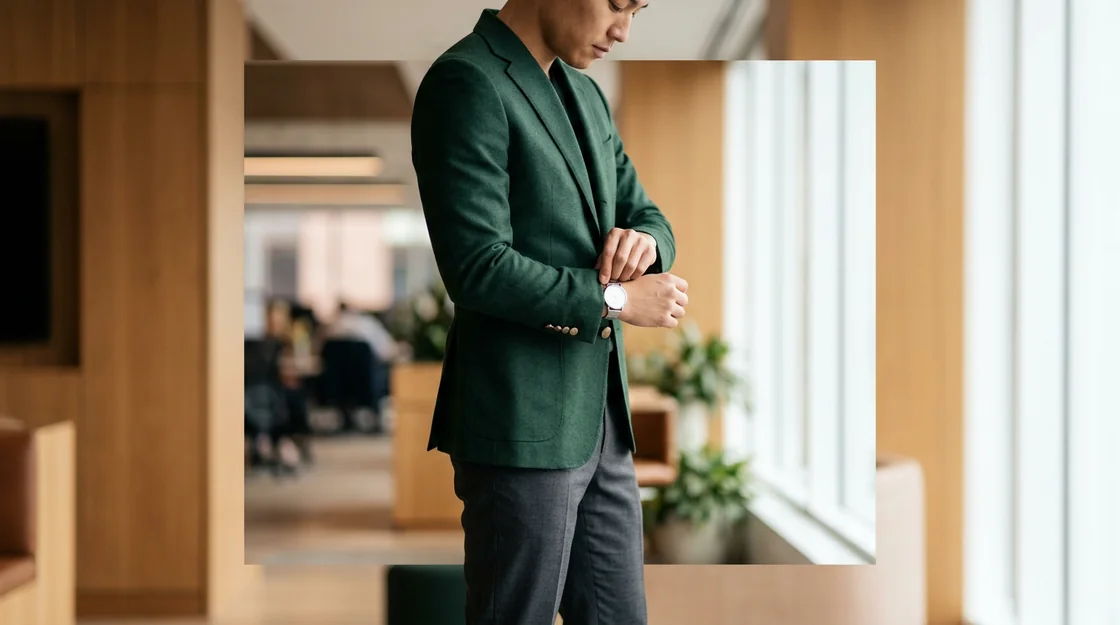
Accessories, often overlooked, can quietly elevate an interview outfit without stealing the show. Think of them as subtle enhancements, not distractions; the goal is always to project polish and professionalism. What most people miss is that a well-chosen accessory signals attention to detail. Consider your watch. A classic, understated timepiece projects reliability, while a flashy smartwatch might give a different impression. (I suspect a simple analog watch often speaks volumes more than a gadget-laden one.) A recent survey by career site Zippia indicated that 73% of hiring managers notice a candidate’s accessories, emphasizing their role in forming first impressions. Minimal jewelry is usually best. A simple necklace, subtle earrings, or a wedding band are perfectly acceptable. avoid anything overly ornate, noisy, or that could catch on something — think less “red carpet” and more “thoughtful daily wear.” Similarly, your shoes should be clean, polished, and comfortable enough for walking, yet professional. Loafers or low heels typically work well, according to fashion consultant Anya Sharma, who advises clients on how to dress for job interview situations. The right bag can also make a statement. A structured tote or a slim briefcase conveys organization and readiness, unlike a casual backpack. For example, Sarah Jenkins, a marketing professional, shared how her structured leather tote for interviews always felt like “carrying a secret weapon of preparedness.” This approach aligns with the current trends in minimalist capsule wardrobe building, where quality items serve multiple purposes. Here are some quick do’s and don’ts for your accessories:
- Do: Opt for quality over quantity. One well-made item is better than several flimsy ones.
- Don’t: Wear anything that jingles, flashes, or requires constant adjustment.
- Do: Ensure all metals match – silver with silver, gold with gold. It’s a small detail, but it makes a difference.
- Don’t: Overload on perfume or cologne. A subtle scent is fine, but less is always more.
Focusing on these details helps ensure your modern interview attire communicates confidence and respect for the opportunity.
Virtual Interview Attire: Dressing for the Digital Screen
Navigating the visual demands of a virtual interview requires a different strategy than in-person meetings. What most people miss is that your presentation extends beyond your clothing to your entire visual environment. Consider your upper half, as that is primarily what the camera captures. Surprisingly, a well-chosen top can make an impression. Opt for solid colors or subtle patterns that won’t distract on screen, and avoid anything too busy or overly bright. Dr. Emily Carter, a communication expert at the University of California, highlights that “a professional yet approachable aesthetic helps foster trust and engagement in a digital setting.” The data suggests — though not conclusively — that candidates who pay attention to their virtual background and lighting appear more prepared, with one recent survey by Zoom indicating that 73% of hiring managers consider a tidy background important. Here are steps to prepare your visual presence for an online interview:
- Choose your outfit carefully. Focus on a professional top or blazer that complements your skin tone and contrasts subtly with your background. (For more ideas on color, check out this guide on next-gen color analysis).
- Select a clean, uncluttered background. A plain wall or a subtly decorated shelf works best. Avoid busy patterns or personal items that might draw attention away from you.
- Ensure good lighting. Position yourself facing a natural light source, like a window, if possible. If not, use a ring light or a lamp placed behind your camera to illuminate your face evenly.
- Test your setup. Before the actual interview, do a quick video call with a friend to check your lighting, background, and how your chosen interview attire appears on screen.
This preparation is like setting the stage for a play; every element contributes to the overall performance. A polished virtual presence subtly communicates your attention to detail and professionalism.
Adapting Your Look: Current Trends for Specific Roles
Once you’ve mastered the virtual interview, the next hurdle is tailoring your attire to the specific role and industry you’re targeting. After all, a finance firm expects a different presentation than a tech startup or a fashion house. What does “business casual” even mean in today’s context? It’s less about strict rules and more about understanding the unspoken cues of a company’s culture.
The data suggests a shift: A recent LinkedIn survey indicated that 73% of hiring managers believe it’s more important for candidates to reflect company culture than to adhere to traditional dress codes. This doesn’t mean showing up in a hoodie for a banking interview, but it certainly implies a need for nuanced interpretation.
Corporate and Finance: Modernizing Classic Professionalism
For industries like corporate finance, law, or consulting, the foundation remains business professional. Think clean lines, structured garments, and a polished appearance. The goal here is to convey trustworthiness and competence.
Subtle Updates to Traditional Power Dressing
While the suit isn’t going anywhere, its interpretation has softened. Women might opt for a well-tailored pantsuit in a deep jewel tone instead of traditional black, or a modern midi-length skirt suit. Men can experiment with textured fabrics for their suits, like a subtle birdseye or sharkskin, rather than a solid navy or gray, paired with a advanced tie. What most people miss is that a high-quality watch or a minimalist piece of jewelry can communicate attention to detail without being ostentatious. Dr. Evelyn Reed, a career coach specializing in executive placements, often advises clients to prioritize fit above all else. “A perfectly tailored garment, even if it’s off-the-rack, speaks volumes about your precision and respect for the occasion,” she explains.
For a slightly less formal but still highly polished look, business casual in this sector might mean tailored trousers or a pencil skirt with a silk blouse or a fine-gauge knit sweater. Men could wear dress slacks with a button-down shirt and a sport coat. Avoid anything that looks rumpled or too relaxed; crispness is key.
Tech and Startups: Polished Comfort and Personal Style
The tech world, particularly startups, has a reputation for being laid-back. showing up in flip-flops to an interview is rarely a good idea, even if the CEO wears them daily. Here, the current trend leans towards polished comfort.
Navigating the ‘No Dress Code’ Environment
Many tech companies boast a “no dress code” policy, which can be surprisingly tricky to navigate. My suggestion? Aim for elevated casual. This could mean dark-wash, well-fitting jeans (no rips or fading) paired with a high-quality button-down shirt or a sleek merino wool sweater. For women, tailored trousers or a stylish jumpsuit with a blazer can strike the right balance. Sneakers are often acceptable, but they should be clean, modern, and in good condition—think classic white leather rather than your gym shoes. The underrated factor here is personal expression within professional bounds. Consider a subtle nod to your personal style through a unique accessory or a distinctive color. This approach aligns with the industry’s value of individuality and forward-thinking. It’s about demonstrating that you understand the culture without appearing to try too hard, a delicate balance.
Creative and Fashion Industries: Expressive Professionalism
When applying for roles in fashion, design, marketing, or publishing, your interview attire is an extension of your portfolio. This is where you can showcase your understanding of next-gen color analysis or your knack for mastering the art of oversized.
Balancing Trend-Awareness with Appropriateness
Here, expressive professionalism is the goal. You want to demonstrate that you are current, creative, and have a strong personal aesthetic, but still capable of working within a professional structure. This could involve incorporating current trends in a advanced way—perhaps a statement blazer with a unique cut, a pair of fashion-forward but comfortable wide-leg trousers, or a monochromatic outfit in an unexpected hue. For instance, a candidate for a design role might wear a beautifully draped blouse with tailored culottes and artful low heels. A creative director at a leading fashion magazine once told an interviewer, “I’m looking for someone who understands how to translate trends into something wearable and impactful, not just someone who can mimic a runway look.”
Avoid anything too distracting or overly revealing. The focus should remain on your skills and personality, with your outfit serving as a complementary backdrop. This sector often appreciates thoughtfulness in mixing high and low-end pieces, or incorporating sustainable fashion elements, which can also be a talking point about your values. It’s an opportunity to show, not just tell, your understanding of style. Perhaps you could subtly integrate latest innovations in sustainable fashion into your look.
Mastering Your Professional Narrative Through Style
As we’ve explored, interview attire in the modern era is far more than just a dress code; it’s a strategic tool for communicating your professional identity, adaptability, and respect for the opportunity. The landscape has shifted from prescriptive rules to thoughtful choices, emphasizing authenticity within professional boundaries. Instead of asking what the ‘right’ outfit is, consider what story your attire tells about you and your understanding of the role and company culture.
The ultimate goal isn’t to blend in, but to present a polished, confident version of yourself that resonates with your potential employer. How will you leverage these insights to craft a visual narrative that not only opens doors but also reflects the unique value you bring? The power to make a memorable, positive first impression is now firmly in your hands, guided by informed choices rather than outdated mandates.
Frequently Asked Questions About Interview Attire
Is it still necessary to wear a suit for an interview?
Not always. While a suit remains a safe and appropriate choice for many traditional industries, the modern professional landscape often embraces smart casual or business casual attire. Many employers, especially in tech and creative fields, prioritize a polished yet flexible look over a full suit, making tailored separates like blazers with trousers or skirts perfectly acceptable.
What colors are best to wear to an interview?
Neutral colors like navy blue, charcoal grey, and black are excellent foundational choices as they convey trustworthiness and professionalism. White or off-white are ideal for shirts and blouses. You can subtly incorporate accent colors like muted emerald green or deep burgundy in accessories to add personality without distracting.
How do I dress for a virtual interview?
For a virtual interview, focus on your upper half, as that’s what the camera primarily captures. Opt for a professional top or blazer in a solid color or subtle pattern that complements your skin tone. Ensure your background is clean and uncluttered, and pay attention to good lighting to present a polished and prepared appearance.
Can I wear jeans to a job interview?
Wearing jeans to a job interview is generally only acceptable in very specific industries, such as tech or creative fields, where the culture is explicitly casual. If you do opt for jeans, they must be dark-wash, well-maintained, free of rips, and paired with a polished top and blazer to elevate the look. When in doubt, it’s safer to choose tailored trousers.
What accessories are appropriate for an interview?
Appropriate accessories are subtle and enhance your professional image without distracting. Opt for minimal jewelry, a classic watch, and a structured bag or slim briefcase. Ensure shoes are clean, polished, and comfortable. The goal is to signal attention to detail and organization, not to make a fashion statement.
Should my shoes match my bag for an interview?
While it’s a classic styling rule, your shoes and bag do not strictly need to match perfectly for a modern interview. It’s more important that both items are professional, clean, and complement your overall outfit. Focus on quality, appropriate style, and cohesive color tones rather than an exact match.