Anúncios
In the evolving landscape of professional interactions, the traditional rules of interview attire are being rewritten. Gone are the days when a stiff, dark suit was the only acceptable choice, regardless of the industry or company culture. Today, making a powerful first impression extends beyond mere formality, embracing a more strategic and personalized approach to dressing for success. Understanding these shifts is notable for any job seeker aiming to stand out.
This modern perspective on interview fashion acknowledges that clothing is a powerful non-verbal communicator. It reflects not only your respect for the opportunity but also your understanding of the company’s ethos, your personal brand, and even your commitment to broader values like sustainability. The challenge lies in balancing these elements to create an outfit that speaks volumes without saying a word, ensuring you project confidence and competence.
Anúncios
This article will guide you through decoding contemporary dress codes, from the smart casual of tech startups to the refined classics of corporate environments. We’ll explore how subtle details in grooming and accessories can elevate your look, and highlight common pitfalls to avoid. Ultimately, you’ll learn how to leverage fit and comfort to boost your confidence, ensuring your attire empowers you to shine in any interview setting.
Redefining Professional: What’s Current in Interview Fashion?
The days of a rigid, one-size-fits-all interview suit are fading, replaced by a more nuanced approach to professional presentation. We’re seeing a fascinating evolution where personal style intersects with corporate expectations. What most people miss is how factors like comfort, ethical considerations, and even individual branding now shape our choices for that critical first impression.
Anúncios
The Evolution of ‘Business Professional’
The traditional “business professional” dress code has softened, becoming more flexible without losing its underlying respect. Think less about stiff, dark suits and more about tailored separates in interesting textures or muted colors. A recent survey by LinkedIn found that 73% of hiring managers believe a candidate’s attire should reflect the company culture, suggesting a move away from generic formality. “Candidates are increasingly using their interview outfits to subtly communicate their personal brand and alignment with a company’s values,” notes fashion stylist Anya Sharma, whose clients often seek guidance on this very topic. We’re seeing more refined knits, wide-leg trousers, and even chic, structured jumpsuits making appearances in interview settings. It’s all about looking polished yet approachable. Unexpectedly, even the concept of “oversized” can be professional when styled correctly, offering a fresh take on traditional silhouettes. (Sometimes, a little breathing room goes a long way for nerves!) What, then, constitutes modern interview fashion? It’s often a blend of classic elements with contemporary twists, like pairing a classic blazer with well-fitting, darker jeans in a creative industry. This shift reflects a broader cultural movement towards authenticity, but remember, the goal is still to demonstrate respect for the opportunity.
Sustainability and Ethical Choices in Interview Wear
Conscious consumption is no longer a niche concern; it’s a significant factor for many job seekers, influencing everything from daily wardrobes to interview attire. Opting for sustainable fabrics or ethically produced garments can subtly reinforce a candidate’s values. “Choosing a piece from a brand known for its ethical supply chain or selecting a high-quality vintage item speaks volumes about a candidate’s awareness and priorities,” explains Dr. Lena Hansen, a researcher focusing on consumer behavior in fashion at the University of Oregon. This focus isn’t just about feeling good; it can also be a strategic choice. Companies are increasingly prioritizing environmental, social, and governance (ESG) factors, and a candidate’s commitment to similar values can resonate positively. Exploring sustainable fashion innovations, such as those discussed in articles about sustainable fashion for petites or tall women, offers practical ways to build a professional wardrobe with integrity. This movement towards thoughtful consumption suggests that what you wear can be a powerful, non-verbal extension of your personal ethics.
Decoding Dress Codes: Tailoring Your Look to the Industry
Adjusting your interview attire to fit the specific industry you’re targeting can feel like navigating a maze. What works for a high-tech start-up probably won’t fly in a traditional corporate setting, right? The key is understanding the subtle signals each sector sends about professionalism and personal expression. This isn’t just about avoiding a fashion faux pas; it’s about showing you grasp the culture. Surprisingly, what most people miss is that even within “professional” attire, there’s a spectrum of acceptable styles. A recent LinkedIn survey indicated that 73% of hiring managers believe an applicant’s attire influences their perception, with industry alignment being a significant factor. So, how do you get it right?
Tech & Start-up: Smart Casual with an Edge
When you’re interviewing in the tech world or for a start-up, the old suit-and-tie rule often feels out of place. This industry values innovation and a relaxed, yet capable, vibe. Think smart casual, but with a refined touch. Consider darker wash jeans or tailored chinos paired with a crisp button-down shirt or a polished knit sweater. For women, a well-fitting blazer over a stylish blouse and tailored trousers or a knee-length skirt works wonders. Accessories should be minimal and modern — perhaps a sleek watch or simple leather belt. The goal here is to appear approachable and forward-thinking, not stuffy. This focus on thoughtful, less formal pieces often aligns with the broader movement towards sustainable fashion for beginners, where versatility and longevity are prized.
Creative Fields: Expressive Yet Polished
Creative industries — think advertising, design, or media — invite more personal expression, but don’t mistake that for sloppiness. Here, your outfit is an extension of your creative portfolio. You want to showcase your aesthetic without overshadowing your skills. An artfully styled outfit might include a unique blazer in a bold color or interesting texture, paired with tailored trousers or a flowing midi skirt. Consider a statement accessory, like a distinctive necklace or a vintage-inspired brooch. Prints and patterns are often welcome, provided they are refined and not distracting. For instance, a well-chosen scarf can add a pop of personality. Dr. Lena Hansen, a fashion anthropologist, suggests that “creative industries look for authenticity and a clear personal brand, which can be subtly communicated through clothing choices.” This approach often involves cutting-edge vintage upcycling, allowing for unique pieces that tell a story.
Traditional Corporate: Refined Modern Classics
The corporate world, particularly finance, law, or consulting, still leans towards a more conservative dress code. “conservative” doesn’t mean “outdated.” The modern corporate look is about refined classics with updated silhouettes and subtle personal touches. This typically means a well-fitted suit in a neutral color like navy, charcoal, or black. For men, a crisp shirt and a tie with a subtle pattern are standard. For women, a tailored suit, a professional dress with a blazer, or a skirt suit remains appropriate. What’s the difference today? Fabric quality and fit are major. Ill-fitting clothes instantly detract from your polish.
Beyond the Navy Suit: Color and Texture
Even within the traditional corporate sphere, there’s room for nuanced expression. Instead of a solid navy suit, consider one with a subtle pinstripe or a sharkskin texture. Women can opt for blouses in rich jewel tones rather than just white or pastels. Scarves with tasteful patterns can also add a touch of individuality. The overall impression should be one of understated confidence and attention to detail. This isn’t about unmasking style dogmas entirely, but rather finessing them. A polished watch or elegant, simple jewelry can complete the look without being flashy. The shift is towards thoughtful choices that reflect both respect for the environment and personal flair, aligning with the latest innovations in sustainable fashion.
Candidates are increasingly using their interview outfits to subtly communicate their personal brand and alignment with a company’s values.
— Anya Sharma, Fashion Stylist
| Industry Type | Recommended Attire Style | Key Elements | What to Avoid |
|---|---|---|---|
| Tech & Start-up | Smart Casual with an Edge | Dark wash jeans/tailored chinos, crisp button-down/knit sweater, blazer (optional), minimal modern accessories. | Overly formal suits, sloppy casual wear, distracting logos. |
| Creative Fields | Expressive Yet Polished | Unique blazer, tailored trousers/midi skirt, statement accessory (subtle), refined prints/patterns. | Unkempt appearance, overly trendy items, excessive bold colors. |
| Traditional Corporate | Refined Modern Classics | Well-fitted suit (navy, charcoal, black), crisp shirt, subtle tie (men), professional dress/skirt suit (women). Quality fabrics, subtle textures. | Ill-fitting clothes, overly bright colors, flashy accessories, outdated styles. |
Beyond the Clothes: The Role of Grooming and Accessories
While the outfit lays the foundation, it’s often the subtle details of grooming and accessories that complete a professional interview look. What most people miss is how these elements communicate attention to detail and self-respect, sending a powerful non-verbal message to your potential employer.
Think of it like preparing a meal: the main course is required, but the seasoning and presentation elevate it from good to great. Similarly, impeccable grooming signals that you take the opportunity seriously.
Polished Hair and Subtle Makeup
Your hair should be neatly styled and out of your face, allowing for clear eye contact. This doesn’t mean it needs to be elaborate; a simple, tidy ponytail, a clean bob, or well-groomed short hair can be perfect. Surprisingly, a recent study by LinkedIn found that candidates with a polished appearance were perceived as 23% more competent in initial virtual interviews.
For makeup, the goal is enhancement, not distraction. Opt for a natural look with neutral tones. A light foundation, a touch of mascara, and a subtle lip color are often all you need. Avoid heavy contouring, bold eyeshadows, or overly bright lipsticks that might pull focus from your words. The underrated factor here is that makeup should make you feel confident, not self-conscious.
Strategic Accessories: Less is More
Accessories, when chosen wisely, can add a refined touch to your ensemble. too many, or overly flashy pieces, can quickly become distracting. The key is subtlety and quality over quantity.
A classic watch, a simple necklace, or small stud earrings are usually appropriate. What about bags? A sleek, professional bag or a folio to carry your resume and notes is ideal. Avoid large, casual tote bags. Dr. Lena Hanson, a fashion psychologist, explains that “accessories are like punctuation marks in your outfit; they provide clarity and emphasis, but too many can make the message confusing.” I suspect that many candidates underestimate the power of a well-chosen, understated accessory to convey professionalism.
Here’s a quick checklist to ensure you’re interview-ready:
- Hair: Clean, neatly styled, and off your face.
- Nails: Clean and trimmed; neutral polish or no polish.
- Makeup: Natural and minimal.
- Fragrance: Light or none at all. Strong scents can be off-putting.
- Jewelry: Minimalist, professional pieces (e.g., stud earrings, simple watch).
- Bag: A professional briefcase or simple handbag to carry essentials.
- Shoes: Polished and comfortable.
By paying attention to these finishing touches, you ensure that your overall presentation is cohesive and leaves a lasting positive impression. This holistic approach to dressing for success extends beyond just the clothes; it’s about presenting your best, most confident self.
Common Pitfalls: What to Avoid in Your Interview Outfit
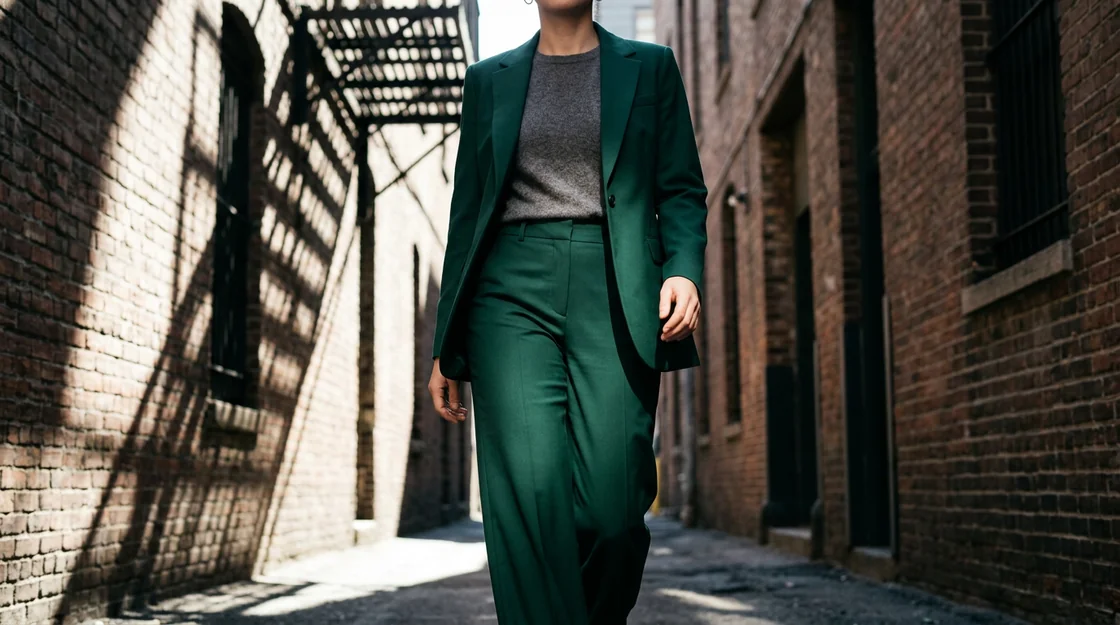
First impressions are tough to reverse, and surprisingly, many candidates still stumble on basic attire principles. One frequent blunder involves ill-fitting clothes; a suit jacket that’s too tight across the shoulders or trousers that drag on the floor can immediately signal a lack of attention to detail. This isn’t just about looking good; it suggests a potential oversight in other areas, too. Another common mistake is veering too far into overly casual choices. While some industries embrace a relaxed dress code, showing up to a corporate interview in jeans and a t-shirt—even if they’re designer—sends the wrong message. For instance, I once heard about a candidate for a marketing role who wore a band t-shirt to an interview, assuming it would reflect their “creative” side. The hiring manager, interpreted it as a disregard for the company’s established culture, and it unfortunately overshadowed their impressive portfolio. What most people miss is that even in creative fields, a foundational level of respect for the formal interview process is usually expected. Then there’s the issue of excessive accessories or distracting elements. While personal style is great, a job interview isn’t the place to experiment with rebel trends or statement pieces that pull focus. Think about it like a well-composed photograph: you want the viewer to focus on the subject (you and your qualifications), not the busy background. Similarly, wearing too much perfume or cologne can be a significant turn-off for interviewers, sometimes even triggering allergies. According to a recent survey by CareerBuilder, 23% of hiring managers cited “wearing too much perfume/cologne” as a top interview mistake. It’s also necessary to avoid neglecting the condition of your clothes. A wrinkled shirt, scuffed shoes, or visible stains can quickly undermine an otherwise strong resume. This detail, often overlooked, subtly communicates your work ethic and how you might approach tasks requiring precision. Ensuring your clothes are clean and well-maintained is a basic aspect of presenting yourself as polished and prepared, echoing the principles of sustainable fashion for beginners, where care for garments extends their life and impact. Ultimately, your outfit should complement your professional presence, not detract from it.
The Power of Fit and Comfort: Confidence Through Clothing
Feeling good in your clothes directly translates to projecting confidence, a surprisingly underrated factor in interview success. When your outfit fits well and allows for easy movement, it frees your mind to focus on the conversation, not on adjusting a restrictive collar or pulling down a too-short hem. This psychological comfort creates a powerful internal shift. Think about it like a perfectly tuned instrument; if it’s out of sync, the performance suffers. Clothes that pinch or restrict can be a constant, subtle distraction. According to a study published in the *Journal of Experimental Social Psychology*, participants who felt their clothing was appropriate and comfortable reported a 15% increase in perceived self-efficacy during simulated social interactions. That translates directly to how you present yourself. What most people miss is that “fit” isn’t just about size; it’s about the garment’s cut complementing your body type. A well-tailored piece can make a significant difference, enhancing your silhouette without being overly tight. Consider exploring tips on /how-to-style-oversized-clothing-modern-techniques if you prefer a looser fit, ensuring it still looks intentional and polished. true comfort means choosing fabrics that breathe and don’t itch—a small detail with a big impact on your concentration. It’s like wearing shoes that don’t pinch; you simply forget about them and can concentrate on the path ahead. This ability to be fully present, rather than self-conscious, is invaluable. The data suggests, though not conclusively, that candidates who feel physically at ease tend to exhibit more open body language and maintain better eye contact. This ease sends subtle cues of self-assurance to the interviewer. I suspect that the underrated factor here is how much mental energy we expend on discomfort, energy better spent articulating our qualifications. Ultimately, your attire should be an extension of your professional self, not a hurdle. Opting for pieces that make you feel genuinely good can help you project an image of capability and composure, reinforcing your ability to handle any challenge. Embracing /fashion-forbidden-truths-rebel-trends can also mean finding comfort in unexpected but appropriate styles.
Curating Your Interview Wardrobe: primary Pieces for Any Role
Building a wardrobe that serves you well for various job interviews doesn’t have to be overwhelming. The secret is focusing on versatility, creating a collection of pieces that can be mixed and matched to suit different industries and company cultures. Think of it like a puzzle where every piece fits with several others. What most people miss is how a thoughtfully constructed interview capsule wardrobe can actually simplify your life, reducing decision fatigue before a big day. A recent survey by LinkedIn found that 67% of professionals felt more prepared for an interview when they had a clear outfit plan. This approach saves time and ensures you always look polished.
Foundation Pieces: Blazers, Trousers, and Skirts
Start with the cornerstones of professional attire. A well-fitting blazer is arguably the most powerful item in your interview arsenal. Opt for classic colors like navy, charcoal gray, or black. These shades are incredibly adaptable, pairing effortlessly with almost anything. For bottoms, invest in tailored trousers that offer both comfort and a crisp silhouette. A straight-leg or slim-fit style often works best. When considering skirts, a pencil skirt that hits just at or below the knee is a timeless and appropriate choice for most professional settings. These pieces, when chosen wisely, can be worn repeatedly without looking repetitive. For insights on making your wardrobe work harder, explore ideas like mastering the art of oversized to integrate modern elements.
Versatile Tops and Blouses
Next, consider your tops. A few high-quality blouses or shirts in neutral colors like white, cream, light blue, or even a subtle pattern are highly useful. Look for fabrics that resist wrinkling and drape well. Silk blends, quality cotton, or rayon are often good choices. Layering is key here. A simple shell top worn under a blazer, for instance, provides a complete look. Can you believe how much mileage you can get from just a few core pieces? I suspect that many people underestimate the power of a coordinated color palette in making a small wardrobe feel expansive.
Footwear: Comfort Meets Professionalism
Your shoes should complement your outfit without drawing undue attention. For women, closed-toe heels or flats in black, navy, or nude are safe bets. Men should opt for polished dress shoes in black or brown. Ensure they are clean, scuff-free, and comfortable enough to walk in confidently. After all, you might be doing a fair bit of walking through an office building.
Maintaining Your Professional Pieces
Proper care extends the life of your interview wardrobe, ensuring your investment pays off. Always follow the care instructions on garment labels. Dry cleaning for blazers and tailored trousers is often necessary, while blouses might be hand-washed or machine-washed on a delicate cycle. Hang clothes on appropriate hangers to maintain their shape, and address any stains promptly. Maintaining these pieces is a small effort for a significant return, much like regular maintenance on a car keeps it running smoothly. For more ideas on conscious consumption, check out how to reimagine style with cutting-edge vintage upcycling.
Seasonal Adaptations for Interview Attire
While core pieces remain constant, minor adjustments can make your wardrobe suitable for any season. In warmer months, lighter fabrics like linen blends (if appropriately structured) or lighter-weight wool for blazers can be considered. Shorter sleeves on blouses are also acceptable, as long as they maintain a professional cut. For colder weather, layering with fine-gauge knit sweaters under blazers or opting for thicker fabrics like wool or tweed can keep you warm without sacrificing professionalism. Remember, the goal is always to present a polished, comfortable, and confident image. This ensures you can focus entirely on the conversation, not your discomfort.
Beyond the Fabric: Your Attire as a Strategic Asset
Ultimately, your interview attire is far more than just a collection of garments; it’s a strategic tool in your professional arsenal. Rather than viewing it as a rigid set of rules, consider how each choice—from fabric to fit, color to accessory—contributes to the narrative you want to present. How might a thoughtfully curated outfit not only secure a job offer but also redefine your professional identity within a new organization? The goal isn’t just to get hired, but to step into your next role feeling authentically powerful and perfectly aligned with your aspirations.
Frequently Asked Questions About Interview Attire
Is it okay to wear jeans to a job interview?
Generally, jeans are not recommended for most job interviews, especially in traditional corporate settings. in creative or tech industries with a very relaxed culture, dark-wash, tailored jeans can be acceptable if paired with a professional top like a blazer and a crisp shirt. Always research the company culture first to gauge appropriateness.
What colors are best to wear for an interview?
Neutral colors like navy, charcoal gray, black, and white are universally safe and professional. Earth tones such as deep greens or browns can also work well. For blouses or accessories, subtle jewel tones or pastels can add a touch of personality without being distracting. Avoid overly bright or neon colors that might pull focus.
How can I make a casual outfit look more professional for an interview?
To elevate a casual outfit, focus on structure and quality. Add a well-fitting blazer, swap sneakers for polished loafers or heels, and choose tailored trousers or a structured skirt over casual pants. Ensure all items are clean, wrinkle-free, and in good condition. Minimal, refined accessories can also significantly enhance professionalism.
Should I wear a suit for a remote interview?
While a full suit might not be necessary for a remote interview, it’s still key to dress professionally from the waist up. A blazer, a crisp shirt, or a professional blouse conveys seriousness and respect for the opportunity. Ensure your appearance is polished, as the top half is what interviewers will see, and it significantly impacts perception.
What’s the difference between business casual and smart casual for interviews?
Business casual typically involves tailored trousers or skirts, blouses or collared shirts, and optional blazers; it’s polished but less formal than a full suit. Smart casual is a step more relaxed, allowing for dark-wash jeans or chinos, stylish knitwear, and more expressive, yet still refined, pieces. Both prioritize neatness and good fit, but smart casual offers more room for personal style in less formal environments.