Anúncios
Beyond the fleeting trends of the runway and the glossy pages of magazines lies a global economic powerhouse of staggering proportions. The fashion industry is more than just clothing; it’s an intricate web of commerce, manufacturing, and creativity that generates trillions of dollars in revenue and employs tens of millions of people worldwide. Its financial footprint rivals the GDP of entire nations, making it a critical barometer for global economic health and consumer sentiment.
This massive economic engine is currently in a state of profound transformation. The old models of seasonal collections and brick-and-mortar retail are being disrupted by powerful forces. Digital transformation is accelerating at an historic pace, while a underlying shift in consumer values toward sustainability and ethical production is redirecting the flow of capital. These changes are not just altering how we shop, but are fundamentally reshaping the business of fashion from the cotton field to the checkout cart.
Anúncios
Understanding these dynamics is key for anyone looking to grasp the future of global commerce. This article unpacks the key economic drivers fueling the sector’s growth, from the surge in e-commerce to the demand for personalization. We will explore the most promising investment hotspots, including the booming circular economy and the frontier of smart textiles, and analyze how innovations in the supply chain are creating both financial efficiencies and powerful brand equity. What emerges is a picture of an industry not just adapting to change, but defining the future of business itself.
Understanding Fashion as a Global Economic Powerhouse
When you think of fashion, you might picture runways and glossy magazines, but its economic footprint is surprisingly vast. The global fashion market is a colossal entity, with a valuation that often exceeds $1.7 trillion, according to reports from industry analysts like Statista. This figure places it ahead of the GDP of many developed nations. It’s an intricate network of commerce where economic contribution of fashion is felt across continents, connecting designers in Paris with manufacturers in Ho Chi Minh City and consumers in Omaha.
Anúncios
Beyond the staggering market value, the industry is a massive source of employment. It provides livelihoods for an estimated 75 million people globally, touching every stage of the supply chain from raw material sourcing to the final retail sale. But how do these numbers really shape our world? This extensive workforce highlights the fashion industry economics not just as a creative field but as a underlying pillar of global labor markets.
The growth trajectory is just as impressive.
Projections consistently show the market expanding, fueled by emerging economies and the rapid evolution of e-commerce — which has completely rewritten the rules of retail. The underrated factor here is how quickly the industry adapts, weaving together creative expression with hard-nosed business strategy. This blend of art and commerce is what creates so many real-world success stories and makes the sector so resilient. Understanding these undercurrents shaping modern fashion is key to seeing the opportunities ahead.
Key Drivers of Economic Growth in the Fashion Sector
The fashion industry’s massive economic footprint doesn’t exist in a vacuum; it’s actively shaped by powerful, fast-moving forces. Understanding these drivers is like knowing the difference between a headwind and a tailwind when sailing. Consumer behavior, technological leaps, and new market priorities are currently rewriting the rules of financial success in this sector, creating opportunities for those quick enough to adapt.
The Digital Transformation: E-commerce and Beyond
The most visible engine of growth is undoubtedly the shift to digital. E-commerce fashion growth isn’t just about selling clothes online anymore; it’s a complete reimagining of the shopping experience. According to a report from Statista, the global fashion e-commerce market is projected to reach over $1 trillion in revenue within the next few years. This surge is fueled by more than just convenience.
Technology is the core component. Artificial intelligence now powers hyper-personalized recommendation engines, showing you what you might like before you even know you want it. Meanwhile, advancements in AR and VR are closing the gap between the digital and physical worlds, allowing shoppers to “try on” outfits virtually. What most people miss is how this technology reduces return rates, a major cost center for retailers. This isn’t just shopping. It’s a data-driven service.
This digital evolution is forcing brands to become tech companies, constantly anticipating the next wave of fashion innovation to stay relevant. The old model of simply having a website is obsolete.
Shifting Consumer Values: Sustainability and Personalization
Alongside the technological boom, a profound shift in consumer mindset is redirecting capital. Today’s shoppers, particularly younger demographics, are increasingly making purchasing decisions based on their values. Sustainability has moved from a niche concern to a primary fashion economic driver, with a Nielsen study finding that 66% of global consumers are willing to pay more for products from sustainable brands.
This demand has created a thriving market for everything from recycled materials and ethical supply chains to rental services and resale platforms. But are brands changing or just getting better at marketing? The data suggests a genuine, albeit slow, systemic adjustment is underway. At the same time, the desire for uniqueness is fueling the growth of personalization. From bespoke tailoring powered by 3D body scanning to simple monogramming, consumers want products that feel exclusively theirs — and they are willing to pay a premium for it.
This focus on individual taste and values is deeply tied to the science behind our fashion choices, as brands use data to offer tailored experiences. These twin forces of ethics and identity are not just trends; they represent a underlying change in the relationship between the consumer and the clothing they wear.
…the biggest hurdle is scaling production to make these textiles affordable. Overcoming that challenge is key to unlocking what could be the next wave of fashion innovation.
— Dr. Anya Sharma, Materials Scientist at MIT
| Fashion Sub-Sector | Typical Investment Horizon | Estimated 5-Year ROI Potential | Risk Level |
|---|---|---|---|
| Luxury Resale Platforms | 3-5 Years | 25% – 45% | Medium |
| Sustainable & Ethical Brands | 5-7 Years | 30% – 60% | Medium-High |
| Smart Textiles & Wearable Tech | 7-10+ Years | 50% – 200%+ | High |
| Emerging Market E-commerce (Asia) | 3-5 Years | 40% – 75% | High |
Emerging Market Opportunities and Investment Hotspots
While established luxury houses will always command a certain financial gravity, the most interesting investment stories are unfolding in the industry’s less-traveled corners. Investors are increasingly looking past the legacy brands to find growth in new business models, technologies, and geographies. The data suggests—though not conclusively—that the highest returns are found where innovation meets unmet consumer demand. It’s a core shift in focus.
The Rise of Circular Fashion Economies
The secondhand market is no longer just about thrift stores and vintage finds. It has evolved into a technical, tech-driven sector known as the circular fashion economy. Platforms like The RealReal and Vestiaire Collective have transformed pre-owned goods into a legitimate asset class, with some rare handbags outperforming traditional stock market indices. According to a GlobalData report, the global resale market is expected to reach over $77 billion in value within the next few years. That’s a staggering figure.
This growth is fueled by a younger generation of consumers who prioritize sustainability and uniqueness over simple ownership. For investors, this represents a dual opportunity: capitalizing on the booming resale platforms and backing new brands built on a foundation of upcycling and material reuse. The underrated factor here is the data these platforms collect, which provides powerful insights into an item’s long-term value and the undercurrents shaping modern fashion.
Technology Integration: Wearables and Smart Textiles
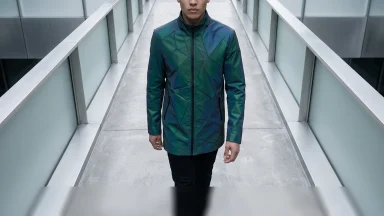
The intersection of fashion and technology presents a high-risk, high-reward frontier. We’re moving far beyond basic fitness trackers embedded in wristbands. The real opportunity lies in smart textiles—fabrics with integrated sensors that can monitor vital signs, regulate body temperature, or even change color on demand. What if your jacket could not only keep you warm but also charge your phone? These aren’t just concepts; companies are actively developing these materials.
Investment in this area requires patience and a tolerance for long research and development cycles. The initial costs are significant, but the potential to create a new market category is immense. Dr. Anya Sharma, a materials scientist at MIT, explains that the biggest hurdle is scaling production to make these textiles affordable. Overcoming that challenge is key to unlocking what could be the next wave of fashion innovation. The profit margins on a functional smart garment could dwarf those of traditional apparel.
Geographic Expansion: Untapped Markets
For decades, fashion’s economic power was concentrated in Paris, Milan, New York, and London. That map is being redrawn. The most significant growth is now happening outside of these traditional hubs, particularly in regions with a burgeoning middle class and increasing digital connectivity. This expansion is less like a slow crawl and more like a land rush, with brands scrambling to gain a foothold in new territories.
Asia-Pacific’s Dominance
The Asia-Pacific region, especially Southeast Asia and China, is the engine of global fashion growth. A report from Bain & Company highlights that e-commerce penetration in countries like Indonesia and Vietnam is growing at a rate of over 25% annually. Consumers here are mobile-first, highly engaged on social media, and eager for both international luxury goods and homegrown designer brands. Local e-commerce giants have created a unique retail ecosystem, and understanding its nuances is primary for any investor. This is where many real-world success stories are currently being written.
Africa’s Growing Potential
While still in an earlier stage of development, several African nations represent a compelling long-term investment. With the world’s youngest population and rapidly improving internet infrastructure, countries like Nigeria, Kenya, and South Africa are becoming creative and commercial powerhouses. Local designers are gaining international acclaim, and a growing consumer class is hungry for fashion that reflects their identity. Investing here is like betting on a talented rookie athlete—the immediate returns might be modest, but the potential for breakout growth is undeniable.
To put these opportunities in perspective, here is a simplified look at potential returns across different fashion sub-sectors:
| Fashion Sub-Sector | Typical Investment Horizon | Estimated 5-Year ROI Potential | Risk Level |
|---|---|---|---|
| Luxury Resale Platforms | 3-5 Years | 25% – 45% | Medium |
| Sustainable & Ethical Brands | 5-7 Years | 30% – 60% | Medium-High |
| Smart Textiles & Wearable Tech | 7-10+ Years | 50% – 200%+ | High |
| Emerging Market E-commerce (Asia) | 3-5 Years | 40% – 75% | High |
These figures are, of course, estimates and depend heavily on execution. Still, they illustrate where the momentum is building. The challenge is no longer just identifying a good brand, but understanding the complex economic and cultural systems in which it operates.

The Financial Impact of Supply Chain Innovations and Ethical Practices
Moving beyond design and marketing, the real financial engine of a modern fashion brand often lies in its supply chain. Optimizing this complex network isn’t just about cutting costs; it’s about building a resilient and valuable business from the ground up. The decisions made about sourcing, manufacturing, and logistics have a direct and profound effect on both the bottom line and brand perception. It is a financial reality many brands are just now beginning to fully appreciate.
The underrated factor here is how operational choices create financial opportunities. Think of the supply chain not as a cost center, but as a value generator. Small tweaks can ripple into significant savings and increased market share, a concept that defines many of brands that have mastered this approach. This shift in perspective is what separates industry leaders from the rest of the pack.
Cost Efficiencies Through Sustainable Sourcing
Initially, many executives view sustainable sourcing as an added expense. The data, often suggests the opposite. A 2021 study by the NYU Stern Center for Sustainable Business found that sustainability-marketed products enjoyed a 7.1x faster market growth than their conventional counterparts. This demand allows for premium pricing, but the savings go deeper. For instance, a mid-sized denim company that switched to organic cotton and implemented water-recycling technology reported a 22% reduction in water utility costs and a 14% decrease in raw material waste within two years.
These gains come from efficiency. Sustainable practices, like using less water or fewer chemicals, directly translate to lower operational expenses. It’s like switching from a gas-guzzling car to an electric one for your daily commute; the upfront investment pays dividends over time through fuel savings. This also insulates brands from the volatility of resource prices and increasing environmental regulations — a huge, often overlooked, financial risk.
Brand Equity and Consumer Loyalty from Ethical Production
The financial benefits extend far beyond direct cost savings. A brand’s commitment to ethical production is a powerful driver of brand equity and customer loyalty. Today’s consumers are more informed than ever, and they increasingly vote with their wallets. A report from Cone Communications revealed that 87% of consumers would purchase a product because a company advocated for an issue they cared about. So how does this abstract goodwill translate to actual dollars?
It creates a “stickier” customer base. When a brand’s values align with a consumer’s, the relationship transcends simple transactions. This leads to a higher Customer Lifetime Value (CLV) and transforms shoppers into brand advocates (which is essentially free marketing). Companies like Veja and Patagonia have built empires on this principle, proving that transparency in labor practices and environmental impact isn’t just good ethics; it’s a brilliant business strategy. Analyzing the data behind consumer choices confirms that people are willing to pay a premium for a story they believe in.
Ultimately, integrating these practices creates a self-reinforcing cycle. Ethical production attracts loyal customers, which generates stable revenue, which in turn allows for further investment in a more efficient and sustainable supply chain. The question is no longer whether brands can afford to be ethical, but whether they can afford not to be.
Navigating Economic Challenges and Future Outlook for Fashion
The fashion industry, for all its glamour, is not immune to the harsh realities of global economics. After a period focused on ethical production and supply chain refinement, brands now face a new set of formidable hurdles. These economic headwinds are testing the resilience of even the most established names, forcing a core rethink of business as usual. Success is no longer just about design; it’s about economic survival.
Inflationary Pressures and Consumer Spending Shifts
Rising costs are hitting the industry from every angle. The price of raw materials like cotton and synthetic fibers has surged, while shipping and energy expenses have added significant pressure to operational budgets. A recent study by the Boston Consulting Group found that discretionary spending on apparel dropped by 11% in households feeling the pinch of inflation. Consumers are becoming more deliberate with their purchases, prioritizing longevity and value over fleeting trends.
This shift in behavior creates a complex problem for brands. Do you absorb the increased costs and sacrifice margin, or do you pass them on to consumers and risk losing sales? Many are finding that customers are either trading down to lower-priced alternatives or investing in high-quality, durable pieces that last longer — a phenomenon that puts mid-range brands in a particularly precarious position. The underrated factor here is the psychological impact; shoppers feel less “fun money” in their pockets, making impulse buys a relic of a different economic climate.
Geopolitical Risks and Supply Chain Diversification
Global instability has tangled fashion’s intricate supply chains into a knot of uncertainty. Trade disputes, regional conflicts, and sudden policy changes can halt production or block shipping routes with little warning. For decades, many brands optimized for cost by concentrating production in a few key regions. This strategy now looks incredibly risky.
Dr. Amelia Vance, a supply chain expert at MIT’s Center for Transportation & Logistics, explains, “Relying on a single country for 70% of your manufacturing is like building a house on a fault line. The tremors will eventually come.” The solution is supply chain diversification, which involves spreading production across multiple countries and regions. While this can increase complexity and initial costs, it builds a shock-absorber into the business model, protecting it from localized disruptions. It’s a clear example of the unseen threads shaping modern fashion from behind the scenes.
Strategies for Economic Resilience in Fashion
Adapting to this new economic environment requires more than just cutting costs. It demands a proactive and creative approach to business structure, production, and revenue. Brands that remain static are the most vulnerable; those that embrace flexibility and innovation are positioning themselves to thrive not just in spite of the challenges, but because of them.
Diversifying Revenue Streams
Relying solely on seasonal collections for income is becoming an outdated model. Forward-thinking companies are exploring a variety of income sources to create a more stable financial foundation. This can include offering styling subscription boxes, launching clothing rental services, or creating paid repair and alteration programs that extend a garment’s life and foster customer loyalty.
Brand collaborations—not just with other designers but with artists, tech companies, or lifestyle brands—also open up new markets and create buzz without the overhead of a full collection. These strategies transform a company from a simple product seller into a multi-faceted service provider, building deeper and more profitable customer relationships. Many of these approaches are detailed in real-world success stories from brands that have mastered the pivot.
Agile Production Models
The traditional fashion calendar, with its long lead times and large production runs, is a recipe for financial risk in an uncertain market. Agile production models offer a powerful alternative. By using data analytics to predict demand more accurately and producing goods in smaller, more frequent batches, brands can significantly reduce the risk of overstock and the need for heavy discounting. This is a core tenet of anticipating the next wave of fashion innovation.
This approach requires closer relationships with manufacturers and investment in technology, but the payoff is substantial. Some brands using on-demand or near-shore manufacturing have reported a reduction in unsold inventory by up to 40%, according to a report from Coresight Research. This not only saves money but also aligns with sustainability goals by reducing waste. The future belongs to brands that can react to the market in weeks, not months.
The New Bottom Line in Fashion
As the industry navigates inflationary pressures and evolving consumer priorities, the very definition of value is being rewritten. The future of fashion economics may not be found in producing more for less, but in creating durable, meaningful, and technologically integrated products that command loyalty beyond a single season. The tension between the hyper-speed of digital trends and the deliberate, slow-paced requirements of true sustainability will define the next decade of winners and losers.
This shift forces a critical re-evaluation for brands, investors, and consumers alike. The most resilient companies will be those that treat their supply chain not as a cost center, but as a source of brand narrative, and view technology not just as a sales channel, but as a way to create entirely new categories of apparel. As this economic recalibration unfolds, the most important question may be a personal one: in a world of endless choice, what is the true price of the clothing we wear, and what value do we expect in return?
Frequently Asked Questions
How large is the global fashion market?
The global fashion market is an economic titan, with a valuation consistently exceeding $1.7 trillion. This figure surpasses the gross domestic product of many developed countries. Beyond its market value, the industry is a massive employer, providing livelihoods for an estimated 75 million people across its complex global supply chain.
What are the main economic challenges facing the fashion industry today?
The industry currently faces significant headwinds, including inflationary pressures that increase the cost of raw materials and shipping. brands are contending with shifts in consumer spending towards experiences over goods and the high capital investment required to build genuinely sustainable and ethical supply chains at scale.
Where are the biggest investment opportunities in fashion?
Key investment hotspots are emerging outside of traditional retail. The circular economy, including resale and rental platforms, is experiencing explosive growth. Other promising areas include technology integration, such as smart textiles and AI-driven personalization, and geographic expansion into rapidly growing e-commerce markets in Southeast Asia and Africa.
How does sustainable fashion impact a brand’s financial performance?
Sustainability impacts financial performance in two major ways. First, it builds significant brand equity and attracts a loyal customer base willing to pay a premium, increasing customer lifetime value. Second, sustainable practices often lead to greater operational efficiency, reducing costs related to water, energy, and raw material waste.
What role does technology play in fashion’s economic growth?
Technology is a primary driver of economic growth in fashion. E-commerce platforms have unlocked global markets, while AI and data analytics enable hyper-personalized shopping experiences that boost sales. innovations in AR/VR for virtual try-ons and the development of smart textiles are creating entirely new product categories and revenue streams.