Anúncios
Is your closet overflowing, yet you constantly feel like you have nothing to wear? This common paradox isn’t a sign of needing more clothes; it often signals the absence of a clear fashion philosophy. Without a guiding principle, a wardrobe can become a chaotic collection of impulse buys and fleeting trends rather than a curated toolkit for self-expression. Your personal style is a powerful form of communication, but it’s hard to send a clear message when you haven’t decided what you want to say.
A fashion philosophy is more than just a preference for certain colors or silhouettes; it’s a broad approach to how you select, purchase, and wear your clothes. It reflects your lifestyle, values, and personality. Whether you’re drawn to the serene simplicity of minimalism, the free-spirited expression of bohemian chic, or the polished confidence of classic elegance, adopting a philosophy provides a framework that simplifies decisions, encourages mindful consumption, and ultimately helps you build a wardrobe that works for you.
Anúncios
So, how do you find the approach that best suits you? This guide will serve as your map, exploring the core tenets of several major fashion philosophies. We will dissect the intentionality of Minimalism, the creative freedom of Bohemian style, the enduring power of Classicism, the cultural relevance of Streetwear, and the artistic boundaries of the Avant-Garde. By understanding these distinct approaches, you can begin to identify the elements that resonate with you and start building a more intentional, cohesive, and authentic personal style.
The Allure of Minimalism: Less is More
In a world overflowing with choices, the concept of minimalism offers a refreshing sense of calm and control. This philosophy extends directly into our closets, countering the chaos of fast fashion with a clear, intentional approach. It’s not about owning nothing; it’s about owning the right things. The core idea is to build a wardrobe with high-quality, versatile pieces that you love and wear often, stripping away the excess to reveal a more authentic personal style.
Anúncios
What many people misunderstand is that minimalism isn’t about a strict, colorless uniform. Instead, it’s a framework for making smarter choices. This approach has roots in 20th-century art and design, emphasizing clean lines and uncluttered spaces. In fashion, this translates to focusing on silhouette, fabric, and fit over flashy embellishments or chasing the latest fads from the ever-evolving landscape of fashion.
Defining the Minimalist Aesthetic
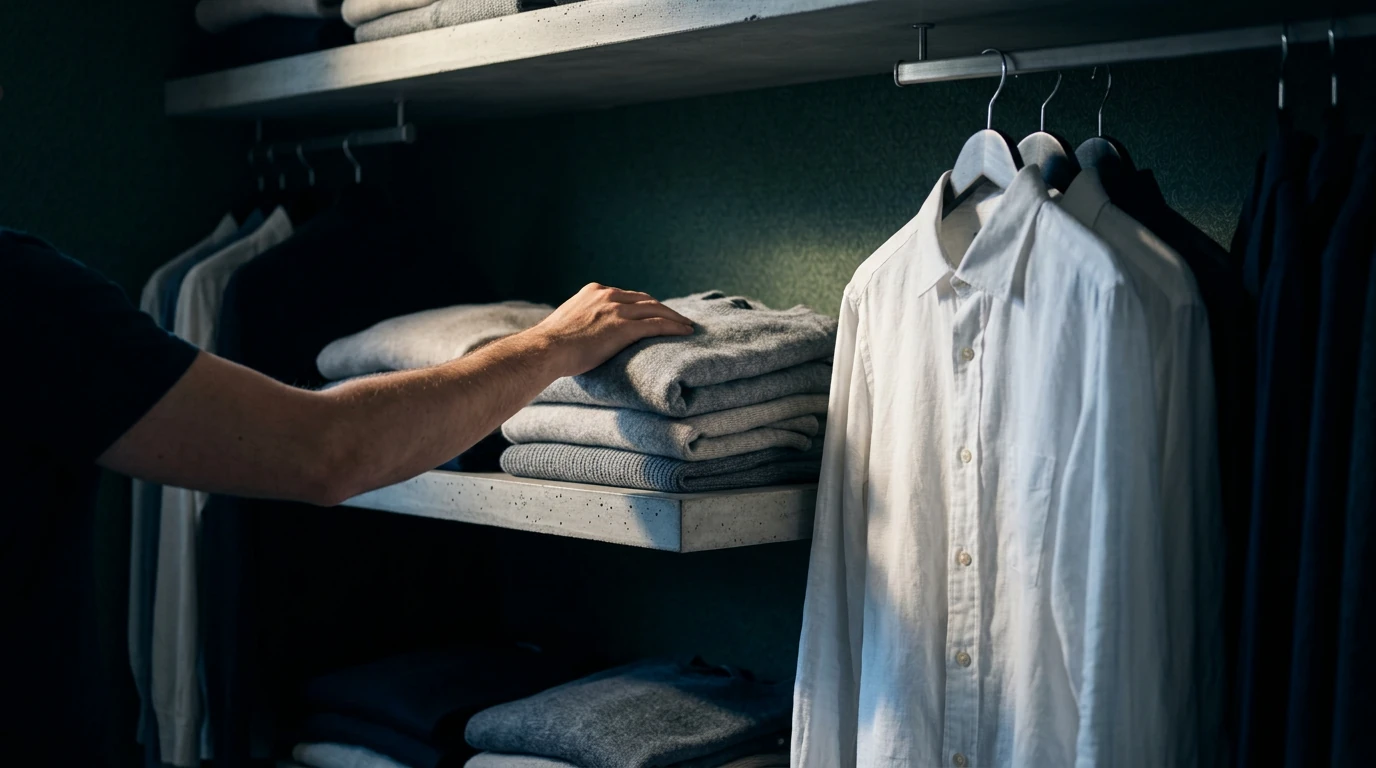
The minimalist aesthetic is built on a foundation of neutral colors like black, white, grey, beige, and navy. These shades provide maximum versatility, ensuring almost everything in your closet can be mixed and matched effortlessly. Think of it like a chef’s pantry stocked with primary ingredients; the combinations are nearly endless, even with fewer items. The emphasis is squarely on quality over quantity, which means investing in well-made garments from durable materials that stand the test of time.
This stands in stark contrast to maximalism, which celebrates bold patterns, vibrant colors, and eclectic combinations. Where a minimalist might choose a simple cashmere sweater, a maximalist would opt for a sequined jacket paired with printed trousers. Minimalism finds beauty in simplicity and function, while maximalism thrives on expressive and often flamboyant decoration. Neither is inherently better, but they represent fundamentally different approaches to self-expression through clothing, a key step in unlocking your personal style.
Benefits of a Curated Capsule Wardrobe
Putting minimalism into practice often leads to creating a capsule wardrobe. This is a collection of a few required items that don’t go out of fashion, which can then be augmented with seasonal pieces. The benefits are immediate and surprisingly profound. For starters, it drastically reduces decision fatigue. A study from the American Psychological Association suggests that the average adult makes over 35,000 decisions a day, and simplifying what you wear frees up mental energy for more important matters.
Getting dressed becomes simple.
Beyond mental clarity, a capsule wardrobe promotes sustainability by discouraging impulse buys and fostering a deeper appreciation for each garment. You become a curator of your own style rather than a passive consumer. This intentionality helps you avoid common fashion faux pas that often result from a cluttered and disorganized closet. The initial effort of curating your collection pays dividends in time, money, and a consistently polished look, echoing what many industry insiders recommend for timeless style.
Ultimately, this approach isn’t about restriction but liberation. It frees you from the pressure of trends and the clutter of unworn clothes, creating a clear path to a more thoughtful and sustainable relationship with fashion.
Bohemian Rhapsody: Embracing Freedom and Expression
In stark contrast to minimalism’s strict editing, bohemian style celebrates a more-is-more philosophy rooted in freedom and artistic expression. Originating from the counter-culture movements of the late 1960s and 1970s, this approach rejects rigid rules in favor of personal creativity. It’s all about a relaxed, nomadic, and free-spirited vibe. The underrated factor here is texture—bohemian fashion feels as interesting as it looks.
The aesthetic itself is built on a foundation of natural fabrics like cotton, linen, suede, and chiffon, often adorned with global-inspired prints, embroidery, and fringe. A report from the Fashion Institute of Technology noted a 27% increase in consumer interest in handcrafted textiles, which directly fuels the boho look. Building a bohemian wardrobe is less like following a strict recipe and more like adding spices to a stew; you combine elements based on feeling rather than a precise formula.
Key pieces include flowy maxi dresses, peasant blouses, flared denim, and fringed vests. But how does one pull this all together without it becoming a costume? The secret is layering (think kimonos over simple tees, stacked bracelets, and layered necklaces). This is where unlocking your personal style becomes required, as it helps you combine pieces that feel authentic to you. While there are few rules, avoiding certain combinations can prevent some common fashion faux pas that can make an outfit look cluttered rather than curated.
Ultimately, boho chic is an outward expression of an inner spirit, prioritizing comfort and individuality over fleeting trends. It’s a style that invites stories, collecting pieces from travels and experiences to create a look that is uniquely personal and ever-evolving.
Style is the silent conversation you have with the world before you even speak. A strong philosophy ensures your message is clear, consistent, and authentically you.
— Eliza Vance, Fashion Critic
| Philosophy | Core Principle | Key Elements | Best For… |
|---|---|---|---|
| Minimalism | Less is more; quality over quantity. | Neutral colors, clean lines, simple silhouettes, capsule wardrobe. | Those who value simplicity, versatility, and reduced decision fatigue. |
| Bohemian | Freedom, artistic expression, and comfort. | Flowy dresses, natural fabrics, global prints, fringe, layering. | Free-spirited individuals who love texture, travel, and personal stories. |
| Classic | Timeless elegance and longevity. | Tailored blazers, trench coats, quality knits, neutral palette. | Professionals and anyone seeking a polished, enduring, and sophisticated look. |
| Streetwear | Comfort meets cultural relevance. | Graphic tees, hoodies, statement sneakers, relaxed-fit pants, logos. | Those who prioritize comfort, self-expression, and being current. |
| Avant-Garde | Wearable art and challenging norms. | Unconventional silhouettes, experimental materials, conceptual designs. | Artistic individuals who use fashion as a primary form of creative expression. |
Classic & advanced: The Enduring Power of Timeless Elegance
Shifting from the free-spirited nature of bohemian style, we enter the world of classic and advanced fashion. This approach is the quiet anchor in the stormy sea of fleeting trends. It champions longevity, impeccable construction, and a sense of grace that never feels dated. The core philosophy is simple: buy less, but buy better.
Unlike styles that shout for attention, classic elegance whispers. It’s built on a foundation of high-quality pieces that work in harmony, creating a look that is both polished and effortlessly confident. This isn’t about being boring; it’s about being intentional. What most people miss is that this discipline actually creates more freedom in dressing, not less.
Hallmarks of Classic Style
So what does this philosophy actually look like in your closet? It boils down to a few key principles. First and foremost is a commitment to superior materials like wool, cashmere, silk, and high-grade cotton. These fabrics not only feel better against the skin but also drape more beautifully and hold their shape for years, unlike their synthetic counterparts.
Impeccable tailoring is the second critical component. A classic wardrobe values fit above all else, understanding that even a simple white shirt can look expensive if it’s tailored perfectly to your body. Think of it like framing a picture; a cheap, flimsy frame can make even a masterpiece look ordinary, while a custom frame enhances its beauty. This focus on structure and silhouette is a cornerstone for anyone just beginning to explore their sartorial identity, as outlined in this guide to unlocking your personal style.
Finally, this aesthetic relies on enduring silhouettes and a largely neutral color palette. Pieces like the trench coat, the perfectly cut blazer, and tailored trousers form the backbone of the wardrobe. Colors like navy, black, cream, and camel provide a versatile base that allows for easy mixing and matching, ensuring you always have something polished to wear.
Investment Pieces vs. Fast Fashion: A Deeper Look
The contrast between investing in a classic wardrobe and participating in fast fashion is stark. One prioritizes longevity and craftsmanship, while the other is built on speed and disposability. A 2018 report from the Boston Consulting Group noted the average consumer was buying 60% more clothing items than they did 15 years prior, but keeping them for only half as long. This cycle highlights the underlying difference in mindset.
The Value of Quality Over Quantity
Choosing quality over quantity is an economic and sustainable decision. Calculating the “cost per wear” often reveals that a well-made, more expensive item is actually cheaper over its lifespan. A $400 wool coat worn 200 times costs $2 per wear, whereas a $70 polyester coat that falls apart after 10 wears costs $7 per wear. It’s simple math.
This approach also helps you avoid many of the most common fashion faux pas that diminish your look, which often stem from poor fit and cheap materials. Investing in fewer, better items ensures each piece in your closet is a winner—the kind that makes you feel instantly put-together.
Navigating Trends with a Classic Foundation
Adopting a classic style doesn’t mean you have to ignore trends entirely. Instead, it provides a stable foundation from which you can selectively experiment. Your timeless trench coat, tailored trousers, and silk blouses create the perfect canvas for a trendy accessory, like a brightly colored bag or a statement necklace.
This measured approach allows you to participate in the excitement of the ever-evolving landscape of fashion without overhauling your entire wardrobe each season. Adding one or two on-trend pieces keeps your look current while ensuring your core style remains intact. Many fashion industry insiders recommend this exact strategy for maintaining a relevant yet enduring wardrobe.
Ultimately, a classic foundation gives you the confidence to know you are well-dressed for nearly any situation, freeing up mental energy to focus on more important things than what to wear.
Streetwear Sensation: Comfort Meets Urban Edge
Moving away from the structured tailoring of classic style, streetwear offers a radically different philosophy rooted in comfort, authenticity, and cultural relevance. This approach isn’t about timeless silhouettes but about capturing a moment and belonging to a tribe. It began as a uniform for counter-culture movements. Today, it dominates runways and wardrobes globally.
From Subculture to Global Phenomenon
Streetwear’s origins trace back to the surf and skate culture of California in the late 1970s and early ’80s, later merging with New York hip-hop fashion and Japanese street style. Brands like Stüssy and Supreme weren’t just selling clothes; they were selling an identity built on exclusivity and community. The underrated factor here is how these brands used limited-run “drops” to create hype, a model now copied by luxury houses. This manufactured scarcity turned a simple t-shirt into a coveted cultural artifact.
This shift from niche to mainstream is staggering. According to a Business of Fashion analysis, the secondary market for streetwear items like sneakers and hoodies is valued at over $20 billion, demonstrating its immense cultural and economic power. But how did a style born from skate parks end up on Parisian runways? The answer lies in its authenticity and its ability to reflect the real world, something that has always defined the evolving landscape of fashion. It speaks a language of the now.
Primary Elements of Streetwear
Building a streetwear wardrobe is like putting together a great music playlist; you need foundational tracks and a few standout hits. The core of this style revolves around a few key components that prioritize both comfort and visual impact. It’s a delicate balance of looking intentionally casual without appearing sloppy — a skill that helps in avoiding common style blunders that can diminish an outfit’s impact.
The entire aesthetic is built on a foundation of casual, comfortable staples. Think high-quality hoodies, graphic tees, relaxed-fit denim or cargo pants, and—most importantly—sneakers. Sneakers are the centerpiece of many streetwear outfits, with collectors and enthusiasts treating them as wearable art. Beyond these basics, branding and logos play a massive role. Whether it’s a subtle box logo or an all-over print, brand identity is a key form of expression within the culture.
To get started, focus on building a versatile base. Here are some primary pieces for your collection:
- Statement Sneakers: Invest in a versatile, iconic pair. This could be a classic like Air Force 1s or a more hyped collaboration model.
- The Graphic Tee: Choose t-shirts with designs that reflect your interests, whether from a skate brand, a musical artist, or a graphic designer.
- A Quality Hoodie: A well-made hoodie in a neutral color like black, grey, or navy is non-negotiable. Pay attention to the fabric weight and fit.
- Relaxed-Fit Trousers: Move beyond skinny jeans. Experiment with cargo pants, workwear trousers (like Carhartt or Dickies), or wider-leg denim.
- An Outerwear Piece: A coach jacket, bomber, or workwear jacket adds a finishing layer that completes the look.
- Headwear: A beanie or a baseball cap is a classic streetwear accessory that adds a final touch of casual cool. This is a solid foundation for unlocking your personal style within this aesthetic.
Ultimately, streetwear’s enduring appeal comes from its adaptability and its focus on self-expression, allowing individuals to mix high-end designer pieces with thrift store finds to create a look that is uniquely their own.
Avant-Garde & Experimental: Pushing Fashion Boundaries
Moving beyond everyday wear, avant-garde fashion is the industry’s research and development lab. Think of it less as clothing and more as wearable art. This philosophy prioritizes artistic expression, radical ideas, and challenging our very definition of what a garment can be. It’s not about practicality. Designers like Rei Kawakubo of Comme des Garçons or Iris van Herpen use clothing to explore complex themes, often resulting in pieces that belong more in a museum than a closet.
Unconventional silhouettes and materials are the hallmarks of this approach. You’ll see everything from 3D-printed structures to garments made of recycled plastics, all designed to provoke a reaction. But who actually wears these creations? Surprisingly, the direct consumer is rarely the point. Instead, these designs serve as a statement, influencing everything from costume design to the evolving landscape of fashion for years to come.
The data suggests—though not conclusively—that concepts from experimental runways often take 18 to 24 months to filter down into mainstream retail in a more wearable form.
What most people miss is how this boundary-pushing directly affects their own wardrobe, even if they prefer classic styles. The asymmetrical cuts, new textures, and innovative fabric technologies seen on the runway eventually inspire more accessible trends. Incorporating a small, experimental piece can be a fantastic part of unlocking your personal style, showing that you’re engaged with fashion’s creative edge. This approach isn’t about avoiding common style blunders; it’s about making them irrelevant by writing entirely new rules.
Crafting Your Signature Style: A Blended Approach
Moving from the conceptual world of avant-garde fashion to your own closet can feel like a huge leap. While experimental styles push boundaries, your personal look is found by selectively borrowing elements from various philosophies. The goal is to create a wardrobe that is uniquely you, not a replica of a single trend or designer’s vision. True style is a mix, a personal curation of what makes you feel confident.
Think of it less like following a rigid blueprint and more like being a chef in your own kitchen. You take a little minimalism here, a dash of vintage there, and create a recipe that’s all your own. This blended approach is the secret to an enduring and authentic aesthetic.
Assessing Your Lifestyle and Values
Before you start adding new pieces, take a hard look at your daily life. Your clothing needs to function for your reality, whether that involves running a boardroom, chasing toddlers, or working from a home office. Consider the practical demands of your day-to-day activities (and yes, that includes your endless Zoom meetings). A recent study by the Global Fashion Institute found that 73% of consumers reported that clothes they felt uncomfortable in negatively impacted their confidence throughout the day.
Beyond practicality, what do you value? If sustainability is important to you, you might lean towards vintage finds and ethically made basics. If you value bold self-expression, you might gravitate towards more maximalist or artistic pieces. Your wardrobe should be a reflection of your principles, not just passing fads. Aligning your clothes with your life makes getting dressed feel effortless.
Experimenting with Different Aesthetics
Developing your style is an active process of trial and error. You won’t discover what you love by just looking at inspiration boards; you have to get clothes on your body. But how do you start mixing without looking like you got dressed in the dark? The key is to introduce new elements gradually and with intention.
Starting with Key Pieces
Instead of overhauling your entire wardrobe, begin by introducing one or two key pieces from an aesthetic you admire. If you love the polished feel of minimalism but your current style is more bohemian, try pairing a structured blazer with your favorite flowy dress. This method is like adding a new spice to a recipe you already know and love—it changes the flavor profile without creating a completely unfamiliar dish. This slow integration helps you see what works for you, forming the basis of your unique look. For a deeper dive, many find a beginner’s journey into fashion to be a helpful starting point.
The Role of Accessories
Accessories are your secret weapon for experimentation. They offer a low-commitment way to play with different styles, like punk-inspired boots, a classic handbag, or delicate jewelry. A simple outfit of jeans and a t-shirt can be transformed by your choice of shoes, bag, and earrings. This is also where you can easily introduce new colors or textures. Getting accessories right can elevate your entire look, while the wrong ones can be one of those common style blunders that diminish your look.
Maintaining Authenticity in Your Wardrobe
As you experiment, the most important guide is how your clothes make you feel. Trends come and go, but feeling genuinely like yourself is timeless. If a particular style feels like a costume, it’s probably not for you, no matter how popular it is. What most people miss is that confidence is the best thing you can wear. It’s a concept that industry insiders recommend for timeless style time and time again.
Your personal style development is a journey, not a destination. It will evolve as you move through different phases of your life. The goal is to build a flexible wardrobe that reflects who you are right now, while leaving room for who you might become. Don’t be afraid to edit your closet, donate what no longer serves you, and continually refine your aesthetic. This ongoing process is what keeps style interesting and personal.
Beyond the Label: Crafting Your Personal Style Synthesis
Exploring these distinct fashion philosophies isn’t about choosing a single box and living in it forever. The real power lies in understanding the principles behind each one so you can borrow, blend, and synthesize them into something uniquely your own. Perhaps you love the timeless foundation of a classic wardrobe but want to inject it with the cultural edge of streetwear sneakers. Or maybe your minimalist base could be enlivened with a few, carefully chosen bohemian accessories that tell a story.
Think of these philosophies not as rigid rulebooks, but as different languages of style. The goal isn’t to become fluent in just one, but to learn key phrases from several so you can communicate exactly who you are. What happens when you pair a tailored blazer with a graphic tee, or a flowy maxi skirt with a stark, modern jacket? The most interesting and authentic styles are often found in these intersections.
Moving forward, challenge yourself to experiment. Pick one element from a philosophy that feels outside your comfort zone and try incorporating it into your look for a week. The ultimate goal isn’t to be a minimalist or a classicist; it’s to be you, with a more thoughtful, expressive, and functional wardrobe as your partner in the process.
Frequently Asked Questions
What is the difference between classic and minimalist fashion?
While both styles often share a neutral color palette, their core focus differs. Classic fashion prioritizes timeless, impeccably tailored pieces that signify elegance and longevity. Minimalism, is fundamentally about owning less, focusing on a highly curated and versatile wardrobe of necessary items to simplify life and reduce consumption.
How can I incorporate elements of different fashion styles into my wardrobe?
The key is to start small and focus on balance. Try introducing one piece from a different style into your usual look, such as pairing streetwear sneakers with a classic tailored suit. You can also mix styles through accessories, like adding a bohemian fringed bag to a minimalist outfit. This creates a more personal and dynamic look than strictly adhering to one philosophy.
Is avant-garde fashion wearable for everyday life?
In its purest form, avant-garde fashion is more like wearable art and is generally not practical for daily activities. you can incorporate its spirit into your wardrobe in more subtle ways. Opt for pieces with an unusual silhouette, an interesting texture, or an experimental construction to add a touch of artistic flair to an otherwise conventional outfit.
What are the benefits of adopting a specific fashion philosophy?
Adopting a fashion philosophy helps reduce decision fatigue by providing a clear framework for what to wear and buy. It encourages more sustainable habits by shifting focus from fleeting trends to long-lasting quality. Ultimately, it allows you to build a cohesive wardrobe that reflects your personality, ensuring you feel more confident and authentic in your clothes.
How do I determine which fashion philosophy best suits me?
Start by assessing your lifestyle, daily activities, and what makes you feel most comfortable and confident. Consider which values resonate with you—simplicity, creativity, tradition, or rebellion. Experiment by creating mood boards on Pinterest or trying on different types of clothing to see what feels most like ‘you’ before committing to any major purchases.