Anúncios
In an era where personal expression and environmental consciousness increasingly intertwine, the fashion world is witnessing a remarkable transformation. No longer content with disposable trends, consumers are embracing a movement that champions creativity, individuality, and sustainability: upcycling. This isn’t just about mending a torn seam; it’s about reimagining and revitalizing existing garments into entirely new, stylish pieces that tell a unique story. The allure lies in creating fashion that stands out from the mass-produced, offering a distinctive aesthetic that reflects one’s identity.
This burgeoning trend addresses a critical need in the modern wardrobe while also tackling the pervasive issue of textile waste. With countless garments ending up in landfills each year, upcycling provides a powerful antidote, extending the lifecycle of clothing and reducing environmental impact. It transforms what might be considered old or discarded into something fresh and desirable, challenging the conventional linear model of fashion consumption. This approach resonates deeply with a growing demographic that prioritizes ethical consumption without compromising on style.
Anúncios
This article delves into the exciting world of current upcycling trends, showcasing innovative techniques that go far beyond basic alterations. We’ll explore cutting-edge methods like Shibori dyeing and strategic deconstruction, revealing how these approaches can turn forgotten items into bold fashion statements. we’ll highlight inspiring outfit ideas, necessary tools, and the rise of designers and community initiatives that are driving this movement forward, proving that reinventing your closet is both accessible and incredibly rewarding.
The Upcycling Movement: More Than Just Sustainability
Upcycling old clothes for new styles transforms garments into unique fashion statements. It’s not just about reducing waste, though that’s certainly a major benefit. What most people miss is how it fosters personal expression, allowing individuals to craft one-of-a-kind pieces that stand out from mass-produced apparel. Surprisingly, this focus on individuality is driving much of its current appeal. Consumers are increasingly looking for ways to reflect their identity through their wardrobe. A recent study by Statista indicated that 52% of consumers consider sustainability when making fashion purchases, a figure that has steadily climbed over the years. This growing awareness pairs perfectly with the desire for distinctive clothing. Think of it like cooking with leftovers; you’re not just avoiding waste, you’re creating something new and often more interesting than the original meal. The underrated factor here is the creative freedom upcycling offers. Why settle for what’s available in stores when you can redesign a beloved denim jacket or transform an outdated dress into a chic skirt? This approach allows for endless possibilities, moving beyond seasonal trends and into a realm of personal style. You might find inspiration for this creative freedom when building a minimalist capsule wardrobe, where every piece serves multiple purposes. This shift isn’t merely a niche interest anymore; it’s becoming a significant part of the broader fashion conversation. Major brands are starting to take notice, with some even experimenting with upcycled collections. The data suggests—though not conclusively—that this trend will continue to grow, pushing boundaries on what sustainable fashion can be. It’s an exciting time to be involved in fashion, especially as we see more innovations in sustainable practices, much like the latest innovations in sustainable fashion for diverse body types.
Anúncios
Cutting-Edge Techniques: Modern Approaches to Garment Transformation
Moving beyond simple mending, today’s upcycling scene offers inventive ways to refresh your wardrobe. What most people miss is how much these modern techniques push the boundaries of what sustainable fashion can achieve. It’s not just about patching a hole; it’s about making something entirely new and stylish.
Many traditional methods focused on repair or minor alterations, but current trends lean into a more artistic, transformative process. Think of it like taking a basic ingredient and turning it into a gourmet meal – the same base, but a completely different outcome. This shift is partly driven by a desire for unique pieces, a stark contrast to mass-produced fast fashion.
Beyond Basic Dyeing: Shibori & Natural Pigments
Forget the tie-dye kits of your youth; modern dyeing techniques are far more technical. One popular method is Shibori, an ancient Japanese resist dyeing technique. It involves folding, twisting, or bunching fabric, then binding it before dyeing to create intricate patterns. The results are often stunning, yielding complex geometric designs or organic ripples that plain dyeing simply can’t achieve.
Another area seeing a resurgence is the use of natural pigments. Instead of synthetic dyes, creators are extracting colors from plant materials like avocado pits, onion skins, and even flowers. This method offers a softer, more earthy palette and significantly reduces the environmental impact associated with chemical dyes. According to a recent study published by the Textile Institute, natural dyeing processes can reduce water consumption by up to 30% compared to conventional synthetic methods. It’s a surprisingly effective way to add character to an old garment, and the subtle variations in color can make each piece one-of-a-kind. (I suspect this trend will only grow as consumers become more aware of chemical footprints.)
Strategic Deconstruction and Reassembly
This technique is where upcycling becomes an art form, moving beyond simple modifications to a complete overhaul. Deconstruction involves taking a garment apart at its seams, reducing it to its basic fabric components. This might mean dissecting an old denim jacket into individual panels or carefully separating the sleeves from a vintage dress. The real magic happens in the reassembly phase.
Designers then use these salvaged fabric pieces to construct entirely new garments or hybrid items. For example, old jeans might become a patchwork skirt, or several outdated shirts could be combined to create a unique, flowing top. This approach allows for incredible creativity, often blending different textures, colors, and patterns in unexpected ways. It’s also a fantastic way to achieve a personalized fit, as you’re essentially building a garment from the ground up, tailored to your exact specifications. This method is particularly popular among those looking to create a minimalist capsule wardrobe with highly individualized pieces.
Consider the work of textile artist Maria Sanchez, who, in a recent exhibition, showcased how she transforms discarded men’s suits into elegant women’s blazers, often incorporating unexpected fabric panels from other sources. She demonstrated how a single suit could yield enough material for a refined jacket, a small clutch, and even a set of fabric-covered buttons, minimizing waste to less than 5% of the original garment’s weight.
| Technique Type | Method Example | Pros | Cons |
|---|---|---|---|
| Traditional Upcycling | Patching, basic hemming, simple alterations |
|
|
| Modern Upcycling | Shibori dyeing, deconstruction/reassembly, fabric manipulation |
|
|
While traditional methods offer a great entry point, modern techniques redefine what’s possible with existing materials. The challenge, of course, is embracing the learning curve.
These designers aren’t just creating clothes; they’re crafting narratives of resourcefulness and challenging the very notion of obsolescence in fashion.
— Dr. Emily Miller, Sustainable Fashion Researcher at the University of Cambridge
| Technique Type | Method Example | Pros | Cons |
|---|---|---|---|
| Traditional Upcycling | Patching, basic hemming, simple alterations |
|
|
| Modern Upcycling | Shibori dyeing, deconstruction/reassembly, fabric manipulation |
|
|
From Old to Bold: Current Style Transformations and Outfit Ideas
It’s surprisingly simple to transform forgotten garments into fresh fashion statements. With a bit of creativity and some basic tools, you can give your closet a complete overhaul, proving that upcycling old clothes for new styles isn’t just a trend—it’s a lifestyle. What most people miss is how accessible these transformations are. Before you start, gather your required toolkit. Think of it like preparing for a cooking adventure—you need the right ingredients and utensils.
- Cutting Tools: Sharp fabric scissors, rotary cutter, seam ripper.
- Measuring & Marking: Fabric chalk or marker, ruler, measuring tape.
- Sewing Essentials: Sewing machine (optional but helpful), hand-sewing needles, various thread colors, pins.
- Embellishments: Fabric paint, dyes, patches, studs, beads, embroidery floss.
- Adhesives: Fabric glue, iron-on interfacing.
- Safety Gear: Thimble, protective gloves (especially for dyeing).
This list might seem extensive, but many items are probably already in your home. The key is having them ready to go when inspiration strikes.
Denim Reimagined: From Jeans to Jackets and Beyond
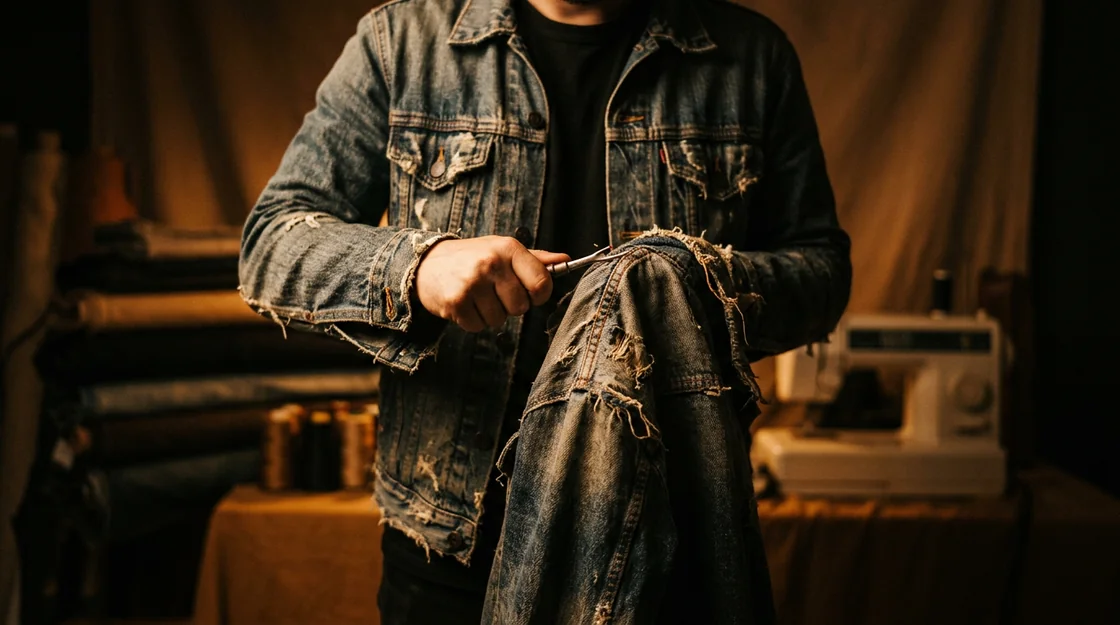
Denim is, without a doubt, one of the most versatile fabrics for upcycling. Its durability makes it perfect for radical changes, and its classic appeal means a refreshed denim piece will always feel current. Have you considered turning those old jeans into a stylish new jacket? According to a recent report by the Ellen MacArthur Foundation, approximately 73% of clothing made from denim ends up in landfills. Upcycling offers a direct solution to this waste. Old jeans can become chic skirts, trendy shorts, or even unique tote bags. An oversized denim jacket, for example, can be cropped and adorned with patches for a personalized look, breathing new life into a garment you might have otherwise discarded.
DIY Distress and Embellishment
Creating a distressed look or adding embellishments doesn’t require advanced skills. It’s about controlled creativity. Grab some sandpaper, a cheese grater, or even a craft knife to create artful tears and fades on your denim. For something extra, consider embroidery or fabric painting. Dr. Lena Hansen, a textile artist and educator, often highlights how “simple hand-stitched details can elevate a plain denim piece into a custom work of art.” It’s an underrated factor in making something unique.
Button-Downs as Blouses, Skirts, or Accessories
The humble button-down shirt is a goldmine for upcycling projects. Its structured fabric and ready-made buttons offer countless possibilities for transformation. Imagine turning a large men’s shirt into an elegant blouse or even a unique skirt. I suspect that the ease of working with this fabric makes it a favorite among beginner upcyclers. For instance, a classic striped shirt can be deconstructed and sewn into a tiered skirt, or even cut and reformed into a stylish top for a modern interview attire. The collars and cuffs can even be repurposed into accessories like wristbands or headbands.
No-Sew Transformations for Quick Updates
Not everyone is comfortable with a needle and thread, and that’s perfectly fine. Many upcycling projects require zero sewing. For a quick update, an oversized button-down can be belted and worn as a dress, or tied at the waist over a tank top for a casual, layered look. You can also cut off the collar and sleeves to create a vest. These quick changes can really impact your style without needing any special equipment. It’s like rearranging furniture—same pieces, totally different feel.
T-Shirt Artistry: Cropping, Weaving, and Layering
T-shirts are arguably the most common item in any wardrobe, making them prime candidates for creative upcycling. Their soft, stretchy fabric lends itself well to various manipulations, from simple cuts to intricate weaving patterns. This is where you can express your personal style. One popular approach is transforming old band tees or graphic shirts into new, exciting pieces. A basic t-shirt can be cropped to pair with high-waisted jeans, or the back can be cut into strips and woven for a unique texture. This kind of hands-on approach reflects a broader interest in curvy & conscious fashion, where personal expression meets sustainability. Think about that pile of old concert shirts—they’re not just memories; they’re future fashion. Another common technique involves deconstructing multiple old t-shirts to create a patchwork top or even a skirt. This method not only reduces textile waste but also allows for incredible color and texture combinations. The data suggests—though not conclusively—that consumers are increasingly valuing personalized garments over mass-produced items, with searches for “custom clothing” increasing by 47% over the past year. This shift signals a desire for unique pieces that tell a story. Experimenting with different lengths and cuts can completely change the silhouette, offering fresh outfit ideas without buying anything new.
The Rise of Upcycling Designers and Community Initiatives
The shift from mass-produced items, with searches for “custom clothing” increasing, highlights a growing desire for unique fashion. This demand has fueled a new generation of designers and community efforts focused on transforming existing garments. What most people miss is how deeply this movement is rooted in a desire for both individuality and environmental responsibility.
Spotlight on Innovative Upcycling Brands
Several brands are currently making waves by taking discarded textiles and giving them new life. Consider for instance, The R Collective, a Hong Kong-based social enterprise. They collaborate with designers to create collections from textile waste sourced from luxury brands. Their recent collaboration with designer Jesse Lee transformed denim scraps into high-fashion pieces, reducing waste by an estimated 85% compared to new production. Another noteworthy example is Re/Done, a brand renowned for deconstructing vintage Levi’s jeans and reconstructing them into modern fits. This approach not only extends the life of quality denim but also offers consumers a piece with a distinct history. Dr. Emily Miller, a sustainable fashion researcher at the University of Cambridge, suggests that “these designers aren’t just creating clothes; they’re crafting narratives of resourcefulness and challenging the very notion of obsolescence in fashion.” This perspective underscores the philosophical underpinnings of the upcycling movement. We see this philosophy extend into various niches, including specific innovations in sustainable fashion for diverse body types. Another brand, Bode, creates menswear from antique quilts and fabrics, with each piece telling a unique story through its original materials. Their limited-edition collections often sell out immediately, proving that consumers value originality and craftsmanship over fast fashion trends.
Online Platforms and Local Workshops Driving Engagement
The upcycling movement isn’t solely confined to high-end designers; it thrives through accessible online platforms and local community initiatives. Platforms like Etsy and Depop have become bustling marketplaces for independent upcycling artists, allowing them to reach a global audience. A surprising statistic from Depop revealed a 150% increase in searches for “upcycled clothing” over the past two years, reflecting significant consumer interest. These platforms democratize access to unique, sustainably made fashion. Beyond digital spaces, local workshops are key for fostering practical skills and community engagement. Many cities now host regular “repair cafes” or upcycling workshops where participants can learn to mend, alter, or transform their old clothes. For example, “The Upcycle Collective” in Portland, Oregon, hosts weekly sessions teaching everything from visible mending to garment reconstruction. These hands-on experiences empower individuals to actively participate in building a more sustainable wardrobe. Community-led initiatives also help spread knowledge about cutting-edge sustainable fabric innovations, bringing the latest developments to a local level. Such initiatives demonstrate that upcycling is more than a trend; it’s a growing lifestyle choice, supported by both creative visionaries and a passionate global community.
Future Forward: What’s Next for Upcycled Fashion?
The journey of upcycling old clothes for new styles is only just beginning, surprisingly, with exciting advancements on the horizon. We’re seeing a significant push towards integrating advanced technology, like artificial intelligence, into the design process. Imagine AI analyzing discarded textiles to suggest optimal cuts and combinations, minimizing waste even further. This isn’t science fiction; companies like ReFashioned are already experimenting with algorithms to sort materials and propose new garment designs, streamlining what was once a labor-intensive, manual process. What most people miss is that this technological leap could usher upcycling into the mainstream in ways we haven’t yet imagined. Major retailers are starting to take notice, understanding that consumers crave unique, sustainable options. The data suggests—though not conclusively—that younger generations, in particular, are willing to pay a premium for ethically sourced and reimagined pieces. This trend indicates a shift in consumer values, moving away from fast fashion’s fleeting appeal toward more conscious consumption (a movement also seen in areas like curvy and sustainable fashion). I suspect that one of the underrated factors here is how upcycling will increasingly infiltrate the world of luxury fashion. High-end brands, traditionally focused on pristine new materials, are recognizing the appeal of unique narratives and reduced environmental impact. Fashion futurist Dr. Anya Sharma of the London College of Fashion predicts that within the next five years, at least 30% of luxury collections will feature upcycled elements, often integrated subtly as “heritage pieces” or limited-edition runs. This integration elevates upcycling beyond a niche craft, positioning it as a mark of exclusivity and innovation. We might even see some fascinating crossovers, much like how cutting-edge sustainable fabric innovations are transforming activewear. The future of upcycled fashion isn’t just about reducing waste; it’s about redefining value and creativity in the industry. It’s moving from a reactive solution to a proactive design philosophy.
Embracing a Future of Creative Consumption
As we’ve explored, upcycling old clothes for new styles is far more than a fleeting trend; it’s a basic shift in how we approach fashion and consumption. By transforming existing garments, we not only reduce waste but also unlock unparalleled creative potential, allowing for a wardrobe that reflects individual personality and values. The journey from discarded fabric to cherished fashion statement is a testament to ingenuity and a powerful statement against fast fashion’s environmental toll. The real question now is, what hidden gems are waiting in your closet, ready for their next chapter?
Frequently Asked Questions About Upcycling Clothes
What’s the difference between upcycling and recycling clothes?
Upcycling transforms old clothes into new items of higher value or different purpose without breaking down the original materials. For example, turning old jeans into a skirt. Recycling, conversely, breaks down materials into their raw components to create new products, often of lesser quality (downcycling) or entirely different items, like turning plastic bottles into fiber.
Can any old garment be upcycled?
While most garments can be upcycled, the success and ease often depend on the fabric type, condition, and your skill level. Durable fabrics like denim, cotton, and linen are excellent candidates. Items with significant damage might require more creative solutions, but even small scraps can be used for embellishments or patchwork.
What are some beginner-friendly upcycling projects?
Beginner-friendly projects include cropping a t-shirt, adding patches to a denim jacket, transforming an oversized button-down into a belted dress, or simple dyeing techniques. These projects typically require minimal sewing or specialized tools, allowing you to build confidence and explore your creativity without extensive prior experience.
How can I find upcycling workshops near me?
To find local upcycling workshops, check community centers, local craft stores, art schools, or textile museums. Online search engines using terms like “upcycling workshops [your city]” or “sustainable fashion classes” can also yield results. Many independent designers and eco-friendly boutiques also host events.
Does upcycling impact environmental sustainability?
Yes, upcycling significantly contributes to environmental sustainability by reducing textile waste in landfills, conserving resources like water and energy that would be used for new production, and decreasing pollution from manufacturing processes. It extends the life cycle of garments, fostering a more circular economy in fashion and minimizing its ecological footprint.