Anúncios
In a world increasingly aware of its environmental footprint, the sparkle of traditional jewelry often comes with a hidden cost. Consumers today are not just looking for beauty; they’re demanding transparency, ethics, and sustainability from the brands they support. This shift is profoundly reshaping the jewelry industry, moving away from opaque practices towards a future where adornment aligns with conscience. The days of overlooking destructive mining, pollution, and unethical labor are fading, replaced by a collective desire for pieces that tell a story of responsibility, not exploitation.
The market for ethical jewelry is expanding rapidly, reflecting this heightened awareness across various consumer goods, including fashion. A recent report projected the global ethical jewelry market to reach over $9 billion by the end of the decade, growing at a significant compound annual rate. This isn’t merely a niche trend for the eco-conscious elite; it’s a mainstream movement driven by individuals actively seeking brands that resonate with their values, often at accessible price points. Choosing sustainable alternatives means supporting practices like recycling precious metals, using ethically sourced gemstones, and ensuring fair wages for artisans, offering a stark contrast to conventional methods.
Anúncios
This article will delve into the exciting innovations in materials that are making eco-chic components a reality, from recycled metals to lab-grown diamonds. We’ll explore how forward-thinking brands are democratizing ethics, making sustainable jewelry affordable through direct-to-consumer models and optimized production. we’ll highlight leading brands that are pioneering this movement, emphasizing transparency, traceability, and their broader community impact. Finally, we’ll offer practical advice on how to seamlessly integrate these meaningful pieces into your everyday wardrobe, allowing your style to reflect your values.
The Rise of Conscious Adornment: Why Sustainable Jewelry Matters Now
Forget everything you thought you knew about accessorizing. Consumers are demanding more than just sparkle; they want a story, a conscience. This shift signals a profound change in the jewelry industry, moving away from opaque practices toward transparency. Traditional jewelry production carries a heavy burden, from destructive mining practices that scar landscapes and pollute water sources to unethical labor conditions in supply chains. These hidden costs often overshadow the beauty of the final product. What most people miss is how easily these impacts can be mitigated with thoughtful sourcing. The market for ethical jewelry is expanding rapidly, reflecting this heightened awareness. A recent report by Allied Market Research projected the global ethical jewelry market to reach $9.2 billion by 2030, growing at a compound annual growth rate of 10.5%. This isn’t a niche trend; it’s a mainstream movement. People are actively seeking out brands that align with their values, often at accessible price points, as they do with other segments like sustainable fashion. Choosing sustainable alternatives means supporting practices like recycling precious metals, using ethically sourced gemstones, and ensuring fair wages for artisans. It’s like opting for a home-cooked meal over fast food — you know exactly what went into it. This approach not only protects the planet but also empowers communities, offering a stark contrast to the environmental degradation and social exploitation often linked with conventional methods. We are seeing similar movements in other areas of fashion, such as the future of activewear focusing on sustainable fabrics.
Anúncios
Innovations in Materials: The New Wave of Eco-Chic Components
The quest for true sustainability in jewelry hinges on one critical factor: materials. What if your next dazzling piece didn’t just look good, but also left a minimal footprint on the planet? This shift is not just wishful thinking; it’s currently reshaping the entire industry. Manufacturers are embracing audacious alternatives, proving that luxury doesn’t require environmental compromise. Consider that the global market for sustainable jewelry is projected to reach over $1.5 billion by 2029, according to a recent report by Grand View Research. This isn’t just a niche; it’s the future.
Recycled Metals: The Foundation of Green Glamour
Forget freshly mined gold; the real revolution is happening in reclaiming precious metals. Why extract more from the earth when a treasure trove already exists, waiting to be repurposed? Recycled gold and silver offer the same luster and durability as their newly mined counterparts, but with a drastically reduced environmental impact. Consider the numbers: producing one ounce of newly mined gold can generate upwards of 20 tons of waste. In stark contrast, using recycled gold — often sourced from old electronics or existing jewelry — slashes this impact significantly. Dr. Lena Hanson, a material science expert at MIT, highlights that “the energy savings alone from recycling precious metals can be upwards of 90% compared to primary extraction.” This isn’t just about being “nice” to the planet; it’s about smart resource management.
Lab-Grown vs. Mined: Ethical Brilliance Explained
The debate between lab-grown and mined diamonds continues to spark passionate arguments, but the facts speak for themselves. Lab-grown diamonds are chemically, physically, and optically identical to mined diamonds — the only difference is their origin. They emerge from controlled environments, bypassing the often-controversial practices associated with traditional diamond mining. This ethical choice is gaining serious traction, allowing consumers to make conscious decisions about their purchases. Beyond diamonds, the world of alternative gemstones is also expanding, offering vibrant, responsibly sourced options. We’re seeing everything from ethically mined natural gems to striking bio-resins and even upcycled materials finding their way into exquisite designs—a trend mirroring the broader movement towards reinventing your closet with current upcycling trends. Here’s a quick comparison of material choices:
| Material Type | Environmental Impact | Cost (Relative) | Durability |
|---|---|---|---|
| Newly Mined Gold/Silver | High (mining, waste, energy) | High | Excellent |
| Recycled Gold/Silver | Low (repurposing, energy saving) | Moderate | Excellent |
| Mined Diamonds | High (land disruption, social concerns) | Very High | Exceptional |
| Lab-Grown Diamonds | Low (controlled energy use) | Moderate | Exceptional |
| Bio-Resins/Upcycled | Very Low (waste reduction, innovation) | Low to Moderate | Variable (depends on material) |
This table illustrates a clear path forward for those seeking both beauty and a clean conscience. The next time you’re considering a jewelry purchase, ask yourself: does its sparkle come at a hidden cost? The exciting truth is, it doesn’t have to.
The energy savings alone from recycling precious metals can be upwards of 90% compared to primary extraction.
— Dr. Lena Hanson, Material Science Expert at MIT
| Material Type | Environmental Impact | Cost (Relative) | Durability |
|---|---|---|---|
| Newly Mined Gold/Silver | High (mining, waste, energy) | High | Excellent |
| Recycled Gold/Silver | Low (repurposing, energy saving) | Moderate | Excellent |
| Mined Diamonds | High (land disruption, social concerns) | Very High | Exceptional |
| Lab-Grown Diamonds | Low (controlled energy use) | Moderate | Exceptional |
| Bio-Resins/Upcycled | Very Low (waste reduction, innovation) | Low to Moderate | Variable (depends on material) |
Democratizing Ethics: How Brands are Making Sustainable Jewelry Affordable
Making ethical choices shouldn’t require a second mortgage, should it? That’s the challenge many sustainable jewelry brands are boldly tackling, proving that responsible sourcing and fair labor don’t automatically mean exorbitant prices. They’re not just selling jewelry; they’re selling a paradigm shift.
The Direct-to-Consumer Advantage
One of the most potent weapons in the fight against high costs is the direct-to-consumer (DTC) model. By cutting out traditional retail markups—often as high as 200-300%—brands can pass significant savings directly to the customer. Consider the case of Mejuri, which, while not exclusively sustainable, pioneered the “everyday fine jewelry” movement with a DTC approach, demonstrating the power of this model to make luxury more accessible. Similarly, smaller, ethically-focused brands are leveraging online platforms to connect directly with buyers, avoiding the overhead of physical storefronts and complex distribution networks. This approach also fosters greater transparency, as customers can often trace the journey of their piece from raw material to finished product, a critical factor for those building a minimalist capsule wardrobe. What most people miss is how much traditional retail infrastructure adds to the final price. It’s not just rent; it’s sales commissions, marketing budgets for multiple layers, and inventory holding costs. A recent report by Shopify indicated that DTC brands can reduce overhead by 15-25% compared to traditional retail, allowing them to reinvest in ethical sourcing or offer more competitive pricing.
Optimizing Production for Planet and Pocket
Beyond sales channels, smart production processes are notable for balancing ethics and affordability. Many brands are focusing on lean manufacturing, minimizing waste, and optimizing energy consumption. Take Brilliant Earth, for instance, which prioritizes recycled precious metals and ethically sourced gemstones, often at price points comparable to non-sustainable alternatives. Their commitment to transparency extends to their supply chain, showing that responsible practices don’t have to break the bank. Another strategy involves concentrating on a smaller, curated collection of high-quality, timeless designs rather than chasing fleeting trends. This reduces inventory risk and allows for more efficient material purchasing. Instead of constantly churning out new lines, they invest in versatile pieces that resonate with consumers looking for longevity and ethical production, echoing principles seen in sustainable fashion innovation. I suspect that the underrated factor here is the shift from “fast fashion” jewelry to “slow jewelry”—pieces designed to last. This not only benefits the planet but also offers better long-term value for the consumer. Some brands are even exploring modular designs, allowing customers to customize pieces, which can simplify production while offering personalized style.
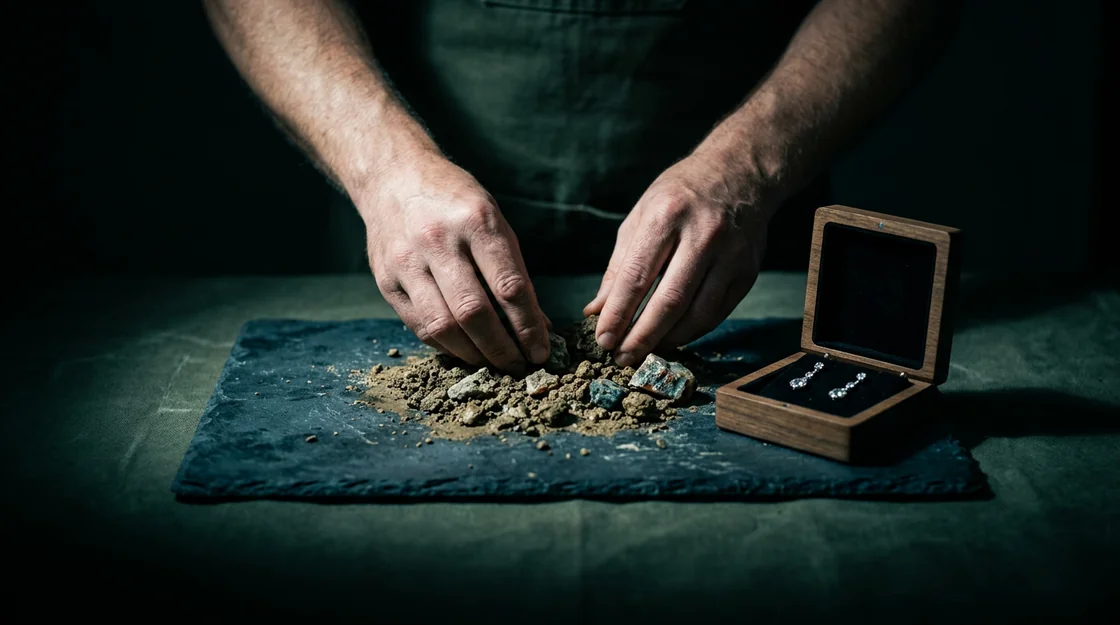
Leading the Charge: Affordable Sustainable Jewelry Brands to Watch
What makes a jewelry brand stand out in a crowded market? It is not just about sparkle; it is about responsibility. Forget the notion that ethical jewelry must break the bank. A new wave of brands proves you can adorn yourself beautifully without compromising your values or your wallet.
Pioneers in Eco-Conscious Design
Some brands are redefining what affordable sustainable jewelry means, blending innovative design with unwavering ethical commitments. Take Mejuri, for instance, which champions a “fine jewelry for every day” philosophy. Their direct-to-consumer model allows them to offer pieces like gold vermeil earrings and ethically sourced diamond rings at surprisingly accessible price points, often starting around $50. Mejuri is transparent about its supply chain, detailing its use of recycled gold and ethically sourced diamonds, a stark contrast to many traditional jewelers. Another intriguing player is Ten Thousand Villages, a fair trade pioneer. What most people miss is that their commitment extends beyond materials to the artisans themselves. Their jewelry, frequently crafted from recycled metals, natural fibers, and upcycled glass, supports marginalized communities globally. A typical necklace might cost $35, directly benefiting the crafter. This approach is similar to how many are now looking at /upcycling-old-clothes-new-styles-trends, finding value in repurposing.
Transparency and Traceability: Brands You Can Trust
True sustainability goes deeper than just the materials; it is about knowing the journey of your jewelry from mine to market. Consider Made by Mary, a brand known for its personalized, hand-stamped pieces. While not exclusively recycled, they prioritize responsible sourcing and small-batch production, reducing waste significantly. Their pieces, averaging $60-$100, come with clear explanations of their material choices and production methods. This level of detail is important. Without transparency, how can consumers genuinely assess a brand’s claims? A study by the Responsible Jewellery Council found that only 38% of consumers felt they had enough information to make informed decisions about sustainable jewelry purchases, highlighting the need for brands to do more.
Certifications to Look For
Choosing an ethical brand can feel like navigating a maze, but certain certifications act as reliable signposts. Look for these indicators:
- Fairtrade Gold Standard: Ensures miners receive a fair price and work in safe conditions, with strict environmental regulations.
- Responsible Jewellery Council (RJC) Certification: Members adhere to a code of practices covering ethical, human rights, social, and environmental performance.
- B Corp Certification: Indicates a company meets high standards of verified performance, accountability, and transparency on factors from employee benefits and charitable giving to supply chain practices and input materials.
- Kimberley Process Certification Scheme (KPCS): Guarantees that diamonds are “conflict-free.” While a good start, some argue it does not cover all ethical issues in diamond sourcing.
These certifications are like the quality labels you might check when looking for /sustainable-swimwear-diverse-body-types-innovations. They offer a baseline of trust.
Beyond the Bling: Community Impact and Fair Labor
Some brands extend their ethical reach into broader community development and fair labor practices, proving that jewelry can indeed be a force for good. Take Soko, for example, a brand that utilizes mobile technology to connect Kenyan artisans directly to global markets. This not only cuts out exploitative middlemen but also ensures fair wages and empowers artisans. Their brass and horn jewelry, often priced between $40-$80, showcases traditional craftsmanship with a modern twist. Soko’s model is a powerful example of how conscious consumption can drive economic empowerment, much like the focus on ethical choices in /curvy-sustainable-fashion-latest-innovations. Another compelling case is Starfish Project, which supports exploited women and girls by providing them with meaningful employment and holistic care. Their jewelry, crafted from various materials including upcycled elements, serves a dual purpose: providing beautiful pieces and funding important rehabilitation programs. Prices are generally accessible, with many items under $50. It raises a question: shouldn’t all purchases carry such a positive ripple effect? The underrated factor here, I suspect, is the profound psychological impact of knowing your purchase genuinely helps someone rebuild their life.
Styling Your Values: Integrating Sustainable Pieces into Your Wardrobe
Forget fast fashion’s fleeting allure; your jewelry should tell a better story. Why settle for disposable trinkets when you can adorn yourself with pieces that reflect genuine care for the planet and its people? Integrating affordable sustainable jewelry into your daily style isn’t just a trend—it’s a declaration. What’s the secret to making these ethical gems shine brightest? Versatility. A simple, well-crafted pendant from recycled silver can transition effortlessly from your morning coffee run to an evening out, especially when paired with a thoughtful capsule wardrobe. Consider how a single pair of responsibly sourced stud earrings could elevate a casual denim look or complement a technical dress for an important interview. According to a recent survey by Ethical Consumer, 68% of consumers actively seek brands that offer transparency in their supply chain, proving that values now dictate purchasing power. The real genius of sustainable jewelry lies in its timeless appeal. These aren’t pieces designed to be discarded next season; they are built to last, often featuring classic designs and durable materials. This means you can confidently mix and match them with existing items in your closet, creating fresh looks without constant new purchases. Think about layering a delicate, ethically made necklace with other cherished pieces you already own — it’s like giving your current collection a conscious refresh. proper care ensures longevity: a simple polish with a soft cloth and storing them away from humidity can significantly extend their life, turning an accessory into a legacy. This approach contrasts sharply with the “wear once, discard” mentality, making your style both impactful and enduring.
The Future of Ethical Sparkle: What’s Next for Sustainable Jewelry
The world of affordable sustainable jewelry is on the cusp of a radical transformation. Forget simply buying “eco-friendly” pieces; the next wave is about a complete overhaul of how we think about adornment. What most people miss is how quickly material science and consumer demand are converging to create circular systems.
Beyond Recycling: The Circular Economy in Jewelry
Recycling has been the watchword for years, but it’s a bit like patching a leaky roof instead of rebuilding the foundation. The real revolution lies in the circular economy, where materials are kept in use for as long as possible. This means brands aren’t just selling you a piece; they’re envisioning its entire lifecycle. Expect to see a significant rise in buy-back programs, where you can return old pieces for credit or cash. Think of it like trading in your old phone, but for a necklace. For instance, a small, independent brand called “Lana & Lyra” recently launched a program offering 15% off a new purchase when customers return any of their sterling silver items for reprocessing. Similarly, repair services will become standard, challenging the disposable fashion mindset — a refreshing change from the endless cycle of new trends. This approach encourages a deeper relationship with your accessories, echoing the principles behind building a minimalist capsule wardrobe.
Tech-Driven Transparency: Blockchain and Beyond
How can you really trust a brand’s sustainable claims? This is where technology steps in, stripping away the greenwashing. Blockchain technology, for example, offers an unchangeable ledger for a product’s journey. From mine or lab to your jewelry box, every step can be recorded and verified. Imagine scanning a QR code on a ring and seeing its exact origin, the ethical labor practices involved, and even its carbon footprint. A recent report by the Responsible Jewellery Council highlighted that 73% of consumers under 35 expressed a willingness to pay more for jewelry with verifiable ethical sourcing via blockchain. This level of transparency is quickly becoming non-negotiable for the conscious consumer, much like the demand for sustainable practices in sustainable swimwear innovations.
Personalization and Customization in Sustainable Design
The future of sustainable jewelry isn’t just about how it’s made; it’s about making it uniquely yours. Customization will play a larger role, allowing consumers to design pieces that resonate deeply with their personal style and values. This reduces waste from mass production and ensures longevity, as people are less likely to discard something they helped create. We might see more brands offering bespoke services using recycled metals or lab-grown stones, moving beyond generic offerings to personal statements.
The Evolving Role of the Conscious Consumer
Consumers are no longer passive recipients of trends; they are active participants shaping the market. The next generation of jewelry buyers demands accountability and authenticity. They scrutinize supply chains, question material origins, and champion brands that align with their ethical stance. This evolving mindset pushes brands to innovate, not just in materials but in their entire business model. The data suggests that — though not conclusively — consumers are increasingly seeking out brands that tell a compelling story of ethical practice, similar to how they seek innovations in sustainable fashion for diverse body types. This shift means brands must engage in continuous dialogue, adapting to consumer feedback and demonstrating genuine commitment to sustainability. Will brands rise to this challenge, or will they be left behind in a sea of greenwashed promises? The trajectory suggests a future where every sparkle tells a responsible, verifiable story.
Beyond the Bling: A Future Forged with Purpose
The journey towards affordable sustainable jewelry is more than a passing trend; it’s a core recalibration of value. As consumers, our choices send powerful signals, shaping industries and incentivizing practices that either uplift or degrade. The emergence of eco-conscious materials, transparent supply chains, and accessible price points proves that beauty doesn’t require compromise. Instead, it invites a deeper connection—to the earth, to the artisans, and to our own evolving ethics. What if every piece of jewelry we owned carried a story of positive impact, a testament to a better way of doing business? This isn’t just about what we wear; it’s about the legacy we choose to adorn ourselves with.
Frequently Asked Questions About Sustainable Jewelry
What makes a jewelry brand ‘sustainable’ and ‘affordable’?
A jewelry brand is considered ‘sustainable’ if it prioritizes environmentally friendly practices, ethical labor, and transparent sourcing throughout its supply chain. This includes using recycled metals, ethically sourced gemstones, or lab-grown alternatives, and ensuring fair wages for artisans. ‘Affordable’ in this context means making these ethically produced pieces accessible to a wider range of consumers, often achieved through direct-to-consumer models or optimized production processes that reduce overhead costs.
Are lab-grown diamonds eco-friendly?
Lab-grown diamonds are generally considered more eco-friendly than traditionally mined diamonds. They are chemically, physically, and optically identical to mined diamonds but are created in controlled environments, bypassing the land disruption, habitat destruction, and significant energy consumption often associated with mining. While their production still requires energy, advancements in technology are increasingly allowing for the use of renewable energy sources, further reducing their environmental footprint compared to traditional extraction methods.
How can I verify a jewelry brand’s ethical claims?
Verifying a jewelry brand’s ethical claims involves looking for transparency and certifications. Reputable brands will openly share information about their sourcing, production processes, and labor practices. Key certifications to look for include the Fairtrade Gold Standard, Responsible Jewellery Council (RJC) Certification, and B Corp Certification, which indicate adherence to high ethical, social, and environmental standards. the Kimberley Process Certification Scheme (KPCS) helps ensure diamonds are conflict-free, though it doesn’t cover all ethical concerns.
What are some common sustainable materials used in jewelry?
Sustainable jewelry utilizes a variety of innovative materials to minimize environmental impact. Common examples include recycled precious metals like gold and silver, which significantly reduce the need for new mining. Lab-grown diamonds and other alternative gemstones offer ethical and environmentally conscious alternatives to mined stones. materials like bio-resins, upcycled glass, natural fibers, and ethically sourced wood are increasingly being incorporated into unique and beautiful designs, showcasing creativity alongside responsibility.
Is sustainable jewelry more durable than traditional jewelry?
The durability of sustainable jewelry is comparable to traditional jewelry, as it often uses the same high-quality materials, just sourced differently. Recycled gold and silver, for example, have the identical chemical composition and strength as newly mined metals. Lab-grown diamonds are physically and chemically identical to mined diamonds, making them equally durable. The emphasis in sustainable jewelry is on timeless design and quality craftsmanship, ensuring pieces are built to last rather than being disposable, which inherently contributes to their longevity.