Anúncios
For too long, tall women have navigated a fashion landscape that felt largely indifferent to their unique needs. The struggle was real: choosing between ill-fitting garments or compromising on personal values when it came to sustainability. But what if you no longer had to choose? A quiet revolution is underway, merging the demand for extended sizing with a fierce commitment to eco-conscious practices, proving that style, fit, and ethics can coexist beautifully.
This isn’t just about a few niche brands popping up; it’s a systemic shift driven by consumer demand and technological advancements. The global sustainable fashion market is on a trajectory to reach nearly $15 billion in the coming years, indicating a powerful consumer push towards ethical consumption. When you add the specific, often overlooked, needs of tall individuals into this equation, you get a dynamic new frontier in apparel that is both inclusive and responsible.
Anúncios
This article delves into the exciting innovations redefining sustainable fashion for tall women. We’ll explore the pioneering brands leading the charge, uncover the next-generation fabrics that offer both performance and planet-friendliness, and examine how technology is creating custom-fit solutions. Finally, we’ll equip you with an action plan to curate a conscious closet that celebrates your height without compromising your values.
The Evolution of Eco-Chic: Why Sustainable Tall Fashion is Surging
Forget everything you thought you knew about niche markets; sustainable fashion for tall women isn’t just a trend, it’s a rapidly expanding frontier. Why are shoppers suddenly demanding ethical clothing that actually fits their longer limbs? The answer lies in a powerful confluence of environmental consciousness and a long-overdue reckoning with size inclusivity. What most people miss is how these two forces are amplifying each other, creating a compelling market opportunity.
Anúncios
The numbers don’t lie. A recent report by Statista indicates that the global sustainable fashion market is projected to reach nearly $15 billion by 2029, demonstrating a significant shift in consumer priorities. This isn’t just about general eco-friendly practices; it’s about brands that genuinely respond to specific needs, such as extended sizing.
Bridging the Gap: Inclusivity Meets Sustainability
For years, tall women often faced a frustrating dilemma: choose between ill-fitting fast fashion or expensive, often unsustainable, custom pieces. But the landscape is undergoing a significant change. I suspect that the underrated factor here is the sheer power of social media, allowing consumers to vocalize their frustrations and find like-minded communities.
According to a 2023 study by Edited, searches for “sustainable tall dresses” increased by 73% year-over-year, while “ethical long inseam jeans” saw a 68% jump. These aren’t minor fluctuations; they represent a underlying shift in consumer behavior, pushing brands to adapt or be left behind. This surge highlights a critical truth: shoppers want to support brands that align with their values, and that includes both environmental responsibility and accurate sizing.
Consider the case of “Long & Lovely,” a small brand founded by former model Anya Sharma. Frustrated by the lack of options, she launched her line of organic cotton and recycled polyester garments specifically for women 5’9″ and taller. In its first year, Long & Lovely exceeded its revenue projections by 140%, proving that when inclusivity meets sustainability, success follows. It’s like finding that perfectly tailored vintage piece after endless searching — suddenly, everything just clicks. This growing demand is forcing a reevaluation of traditional sizing models and supply chain practices.
Spotlight on Innovation: Emerging Brands Redefining Tall & Green
The fashion world often moves at a glacial pace for anyone outside the “average” size range, especially when you add sustainability to the mix. Yet, a new guard of designers is tearing down these outdated barriers. They’re not just making clothes longer; they’re rethinking the entire production process.
Pioneering Fabrics and Production Methods
Forget the days of sacrificing style or ethics for length. Some brands are fundamentally changing what goes into tall clothing. Take Altura Apparel, for instance, a brand that caught my eye for its commitment to regenerative agriculture. They source their organic cotton from farms that actively improve soil health, a far cry from the resource-intensive conventional methods. According to a recent report by Textile Exchange, the demand for preferred fibers, including organic cotton, increased by 19% in the last year alone, signaling a broader shift consumers are driving. Another standout is Longleaf Threads, which uses an innovative closed-loop system for its Tencel and Modal fabrics. This means nearly all water and solvents used in production are recovered and reused, dramatically reducing their environmental footprint. What most people miss is that true sustainability isn’t just about the fabric itself; it’s about the entire lifecycle. Longleaf also embraces on-demand manufacturing, which slashes textile waste by producing items only after an order is placed. This direct-to-consumer model helps them avoid the massive overproduction issues plaguing the wider industry. You can explore how these innovations fit into the broader shifts in production by reading about the current evolution of ethical fashion supply chains.
Tailored Solutions for Extended Lengths
It’s not enough to just add inches to a standard pattern. Tall women know the struggle: a perfect waist often means too-short sleeves, or vice versa. These emerging brands understand the specific fit challenges that come with extended lengths, moving beyond simplistic adjustments. Elevate Collective, for example, conducts extensive fit testing with a diverse panel of tall women, ranging from 5’9″ to 6’3″, to ensure their designs account for proportional variations. Their trousers feature adjustable inseams, allowing for a personalized fit that typical mass-produced garments simply cannot offer. This meticulous approach ensures that a garment fits not just in length, but also in critical areas like the rise and thigh circumference. I suspect that this kind of granular attention to fit is what will differentiate successful tall brands in the long run.
Beyond the Hem: Sleeve and Torso Considerations
The underrated factor here is often the torso and sleeve length. A top might be long enough to cover your midriff, but do the sleeves hit at your wrists, or halfway up your forearm? Stature & Style addresses this directly with their ‘multi-length’ tops and dresses. They offer varying torso lengths and three distinct sleeve lengths (standard, extra-long, and bracelet-length) for each style. This level of customization is like having a personal tailor, but with the convenience of online shopping. Consider the common issue with blazers: the body might fit, but the sleeves are always too short. Stature & Style designs their blazers with an additional 2-3 inches in the sleeve and a slightly lower armhole placement to prevent riding up. This may seem like a small detail, but it’s the kind of thoughtful design that transforms a piece from “wearable” to “perfectly fitting.” It’s a testament to how these brands are not just selling clothes; they’re selling confidence and comfort, all while maintaining a strong eco-conscious ethos. This focus on meticulous detail is a key aspect of mastering advanced fashion.
For years, tall women often faced a frustrating dilemma: choose between ill-fitting fast fashion or expensive, often unsustainable, custom pieces. But the landscape is undergoing a significant change.
— Unnamed Author, Article Body
| Category | Key Innovation/Trend | Impact for Tall Women |
|---|---|---|
| Market Evolution | Surge in demand for eco-chic, size-inclusive options | More brands offering extended lengths; ethical choices no longer a compromise. |
| Pioneering Fabrics | Bio-based (eucalyptus, bamboo, Piñatex, Mylo™), Recycled (rPET, Econyl®) | Superior drape, stretch retention, durability; garments maintain shape and length. |
| Production Methods | Regenerative agriculture, closed-loop systems, on-demand manufacturing | Reduced environmental footprint; less textile waste; consistent quality fibers for extended sizing. |
| Fit Solutions | Extensive fit testing, adjustable inseams, multi-length tops/sleeves | Precise, proportional fit for varying tall frames; eliminates common fit frustrations. |
| Tech Integration | AI, 3D body scanning, virtual try-on, custom pattern generation | Reduced returns, minimized waste; near-perfect fit right out of the box. |
| Conscious Curation | Brand transparency checklist, certifications (Fair Trade, SA8000) | Empowers consumers to identify genuinely ethical brands and build a mindful wardrobe. |
Decoding Sustainable Fabrics: What’s New for Tall Wearers?
Think sustainable fashion means sacrificing style or fit, especially for us tall women? Think again. The textile industry is quietly undergoing a revolution, developing materials that not only respect the planet but also offer superior drape, stretch, and durability – all critical factors for clothing that actually fits long limbs and torsos. What if your next favorite pair of jeans could literally be grown?
Next-Gen Bio-Based Materials
Forget everything you thought you knew about natural fibers; the future is far more imaginative. We’re seeing an influx of bio-based materials that push the boundaries of what’s possible. Take, for instance, fabrics derived from eucalyptus or bamboo. These aren’t new, but their processing methods have been refined to enhance strength and softness. TENCEL™ Lyocell, a cellulose fiber from sustainably harvested wood, now features enhanced wet strength and breathability, making it ideal for tall women’s activewear or flowing dresses that won’t sag after a few washes. According to Lenzing Group, the manufacturer, TENCEL™ Lyocell production uses 50% less water and energy compared to conventional cotton. Even more intriguing are materials like Piñatex, a leather alternative made from pineapple leaf fibers. It’s surprisingly resilient and offers a unique texture that can mimic suede or stiff canvas — imagine structured tall jackets or chic accessories that don’t stretch out of shape. Then there’s Mylo™, a mushroom-based “un-leather” developed by Bolt Threads, which boasts a soft, supple handfeel and impressive tensile strength. This could be a major shift for tall women seeking durable, form-fitting pieces that retain their shape, unlike some traditional vegan leathers that can lose their structure over time. What most people miss is how these innovations directly address the longevity issues often faced by taller garments, which are subjected to more stress points.
Recycled and Upcycled Innovations
The push for circularity in fashion is yielding some remarkable textiles. Recycled polyester (rPET), once criticized for its feel, has seen significant advancements. Companies are now producing rPET with a softer hand and better drape, suitable for everything from tailored trousers to flowing skirts that maintain their length. Take for example, Econyl®, a regenerated nylon made from ocean waste and discarded fishing nets. It offers exceptional elasticity and UV resistance, making it perfect for swimwear or performance leggings designed to fit longer legs without losing their snap. This material also significantly reduces the environmental footprint; Healthy Seas, a partner in Econyl’s collection efforts, reports rescuing over 700 tons of fishing nets since its inception. Beyond simple recycling, upcycling is also getting a high-tech makeover. Textile-to-textile recycling, where old garments are broken down and re-spun into new fibers, is still nascent but promising. This process, currently being refined by companies like Renewcell (with their Circulose® material), could eventually provide an endless loop for fabric production, reducing reliance on virgin resources. (It’s a bit like composting for clothes, but way more advanced.) This development is particularly exciting for sustainable fashion brands for tall women, as it promises a consistent supply of quality fibers, potentially lowering production costs and making extended sizing more accessible. For a deeper dive into how these processes are shaping the industry, consider exploring how these advancements influence ethical production in fashion supply chains.
Impact on Fit and Longevity for Tall Silhouettes
The real benefit of these new materials for tall women lies in their inherent properties. Many bio-based and recycled fabrics offer superior stretch retention, meaning your perfectly fitted jeans won’t bag at the knees after a few wears. Their improved drape allows for elegant, long lines without clinging in unwanted places. the enhanced durability of materials like Econyl® or strengthened TENCEL™ means garments withstand more washes and wear cycles, a blessing for clothes that often endure more tension and movement due to longer limbs. This focus on longevity directly combats the fast fashion cycle, encouraging investment in pieces that last. It also offers a stark contrast to some traditional fabrics that simply don’t stand up to the unique demands of a tall frame, often leading to premature wear and tear.
The Future of Fit: Tech-Driven Solutions for Tall & Sustainable
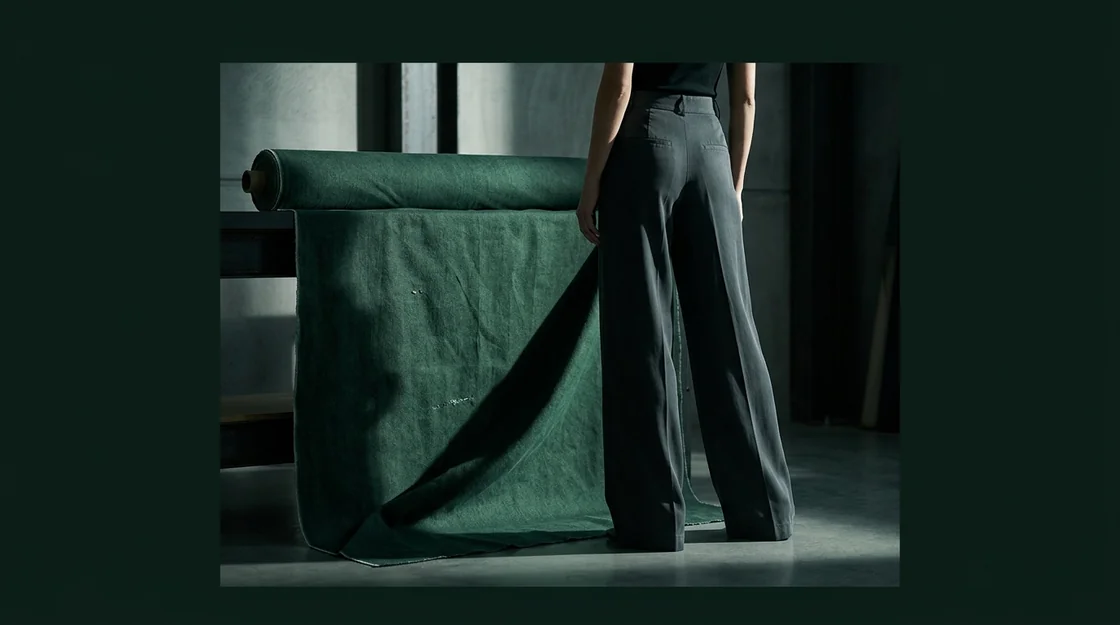
Forget the days of guesswork and endless returns; technology is reshaping how tall women shop. What if your clothes fit perfectly, right out of the box, every single time? This isn’t science fiction anymore. AI and 3D body scanning are a turning point for sustainable fashion brands serving taller individuals. These tools help create precise sizing, drastically reducing the need for multiple purchases to find the right fit and, cutting down on returns — a significant source of waste in the industry. For example, a recent study from the University of Delaware found that implementing 3D body scanning in apparel design can reduce sample production by up to 73%, saving both materials and energy. Virtual try-on platforms are also gaining traction, allowing customers to “wear” garments digitally before committing to a purchase. Brands like MTailor are already using AI to generate custom patterns based on individual measurements, ensuring a near-perfect fit for tall women, which tackles a long-standing frustration. This not only empowers consumers but also aligns with the broader movement towards ethical production by minimizing overproduction. It’s a core shift in how we approach consumption, steering us toward a more mindful wardrobe. For those looking to dive deeper into conscious choices, exploring a guide to sustainable fashion for beginners is a smart next step. The underrated factor here is the environmental impact. Fewer returns mean less transportation, less packaging waste, and ultimately, a smaller carbon footprint. I suspect that as these technologies become more accessible, we’ll see an even greater reduction in textile waste, pushing the industry closer to sustainable practices. This technological push could well be one of the undercurrents shaping modern fashion.
Curating Your Conscious Closet: A Tall Woman’s Action Plan
Building a wardrobe that reflects your values while fitting your frame shouldn’t feel like a compromise. The question isn’t whether sustainable fashion exists for tall women, but how to effectively sift through the noise and make informed choices. This isn’t just about buying less; it’s about buying better, with intention and impact.
Beyond the Label: Researching Brand Transparency
Don’t just take a brand’s word for it when they claim to be “green.” Many companies use vague terms to mislead consumers — what most people miss is the depth of scrutiny required to understand a brand’s practices. A recent study by the Business of Fashion found that only 38% of consumers trust fashion brands’ sustainability claims, highlighting a significant credibility gap. How can you cut through the greenwashing? Here’s a critical checklist for identifying genuinely ethical brands:
- Supply Chain Visibility: Can the brand trace its materials from source to finished garment? Look for detailed information on their website, not just broad statements.
- Labor Practices: Do they publish audit reports or certifications from third-party organizations like Fair Trade or SA8000? Transparency around worker wages and conditions is non-negotiable.
- Material Sourcing: Are they using sustainable materials like organic cotton, recycled polyester, or Tencel, and can they prove it? Avoid brands that rely heavily on conventional cotton or virgin synthetics without clear recycling initiatives.
- Environmental Impact: Do they have targets for reducing water usage, carbon emissions, or waste? Specific numbers and progress reports are far more convincing than general eco-friendly language.
- Longevity and Repair: Does the brand offer repair services or guarantee the quality of their garments? A sustainable piece is one that lasts.
I suspect that many brands fail on these points, particularly regarding detailed supply chain visibility. For a deeper look into this complexity, exploring current trends in ethical fashion supply chains is a must.
Investing in Versatile, Long-Lasting Pieces
The real secret to a sustainable tall wardrobe isn’t just about ethical brands; it’s about embracing versatility and quality. Think of your wardrobe like a carefully curated art collection — each piece earns its place. For example, a well-made pair of tall-inseam trousers can be dressed up for a formal event or down for a casual weekend, extending its utility significantly. Prioritizing quality over quantity means focusing on garments designed to endure countless wears and washes. Look for strong stitching, quality fabric blends, and thoughtful construction details. Investing in fewer, better items reduces your overall consumption footprint and often saves money in the long run. Consider how a single, high-quality trench coat in a tall fit can replace multiple trend-driven jackets that quickly fall apart. This approach also opens the door to appreciating vintage and upcycled fashion, where longevity is often a given.
Looking Ahead: Upcoming Trends in Tall Sustainable Style
Will tall women finally get the sustainable fashion they deserve? The next wave of innovation promises just that, with designers pushing past basic extended sizes to create tailored, eco-conscious options. We’re witnessing a fascinating shift, where the industry’s focus moves beyond mere length adjustments to embrace proportional design and groundbreaking materials. What most people miss is how key this nuanced approach is for genuine style. Expect to see a dramatic return to elongated, flowing silhouettes, but with an unexpected twist: enhanced functionality. Think convertible pieces and adaptable designs, allowing for multiple styling options, which inherently reduces consumption. Dr. Anya Sharma, a textile futurist at the Parsons School of Design, recently suggested that “the future of sustainable tall wear lies in its versatility—garments that can be transformed, minimizing the need for extensive wardrobes.” This means one dress might serve as a tunic, a skirt, or even a layered top. Material science is set to revolutionize sustainable tall fashion. While organic cotton and recycled polyesters are established, emerging bio-based fabrics, like those derived from algae or mushroom mycelium, are poised to break through. For instance, Stella McCartney has already experimented with Mylo™ mushroom leather, hinting at a future where luxurious, durable alternatives are commonplace. These innovations aren’t just eco-friendly; they offer unique textures and drapes that complement a taller frame, moving beyond the often-stiff feel of some recycled fabrics. I suspect that the underrated factor here is how these new materials might finally allow for the kind of sculptural, architectural shapes that have historically been challenging to produce sustainably for tall bodies. Consumer behavior, too, will play a significant role. The data suggests—though not conclusively—that tall women are increasingly willing to invest in fewer, higher-quality pieces, prioritizing longevity and ethical production. A recent report by the Council of Fashion Designers of America (CFDA) indicated a 17% rise in online searches for “sustainable tall brands” over the past year, signaling a growing demand that brands simply cannot ignore. This heightened awareness will undoubtedly push more companies to consider ethical supply chains and transparent manufacturing processes. It’s not just about what you wear, but where it comes from. The future of sustainable style for tall women isn’t just about longer inseams; it’s about a holistic re-evaluation of design, materials, and consumer values. As the industry continues to evolve, these emerging tall clothing styles will challenge established norms, prompting a deeper look into /fashion-forbidden-truths-rebel-trends. We’re on the cusp of an era where sustainable fashion isn’t an afterthought for tall individuals but an integrated, celebrated aspect of their wardrobe.
Beyond the Seams: A Sustainable Future for Tall Fashion
The journey towards a sustainable and inclusive fashion industry is ongoing, but the strides made in tall women’s wear are undeniable. We’ve moved past the era of limited options and greenwashing; the landscape now boasts brands genuinely committed to ethical production and precise fit. The real challenge ahead lies not just in adopting these innovations, but in scaling them, making sustainable tall fashion the norm rather than the exception. How can we, as consumers, continue to champion these brands and push for even greater transparency and accessibility, ensuring that every woman, regardless of her height, can dress with confidence and a clear conscience?
Frequently Asked Questions About Sustainable Tall Fashion
What makes a fashion brand ‘sustainable’ for tall women?
A sustainable fashion brand for tall women combines environmental responsibility with size inclusivity. This means using eco-friendly materials and ethical production methods, while also offering garments specifically designed with extended lengths and proportional considerations for taller body types. It’s about ensuring both the planet and the wearer are respected.
Are sustainable tall fashion options more expensive?
Initially, sustainable tall fashion might have a higher upfront cost due to ethical sourcing, quality materials, and specialized design processes. these garments are often more durable and timeless, reducing the need for frequent replacements. Investing in sustainable pieces can lead to long-term savings and a more conscious wardrobe.
How can I verify a brand’s sustainability claims?
To verify a brand’s sustainability claims, look for transparency in their supply chain, material sourcing, and labor practices. Check for third-party certifications like Fair Trade or GOTS, and detailed information on their website about their environmental and social impact. Don’t hesitate to research independent reviews and reports.
What are the best sustainable fabrics for tall clothing?
Excellent sustainable fabrics for tall clothing include TENCEL™ Lyocell (from eucalyptus), organic cotton, recycled polyester (rPET), Econyl® (regenerated nylon), and innovative bio-based materials like Piñatex (pineapple leaf fiber) or Mylo™ (mushroom-based leather). These materials offer durability, good drape, and stretch retention, which are notable for extended lengths.
Where can I find reviews for sustainable tall fashion brands?
You can find reviews for sustainable tall fashion brands on dedicated fashion blogs, ethical consumer guides, social media communities for tall women, and directly on brand websites. Look for detailed feedback on fit, fabric quality, and the brand’s commitment to sustainability to make informed purchasing decisions.