Anúncios
For years, the sustainable fashion movement, while well-intentioned, often overlooked a significant demographic: curvy individuals. It seemed as though ethical clothing was exclusively designed for a narrow range of body types, leaving many feeling excluded from a movement they passionately supported. This oversight created a frustrating paradox, where the desire to dress ethically clashed with the inability to find well-fitting, flattering options. the tide is finally turning, ushering in an exciting era where inclusivity and eco-consciousness seamlessly intertwine.
The fashion industry is undergoing a much-needed transformation, recognizing that true sustainability extends beyond just materials and production methods to encompass equitable access and representation. This shift isn’t merely a trend; it’s a underlying re-evaluation of design principles, supply chains, and consumer engagement. Brands are now actively responding to the clear market demand for clothing that not only respects the planet but also celebrates the diverse beauty of all body shapes, particularly those with curves.
Anúncios
This article delves into the latest innovations making sustainable fashion genuinely accessible and stylish for curvy figures. We’ll explore the groundbreaking fabrics that offer both comfort and impeccable drape, examine the ingenious design techniques that ensure a perfect fit, and spotlight the pioneering brands leading this inclusive revolution. Prepare to discover how you can build a wardrobe that is both kind to the Earth and beautifully tailored to your unique silhouette.
The Evolution of Inclusivity in Eco-Fashion
Sustainable fashion, once criticized for its limited sizing, is finally catching up to a key truth: style knows no size. For too long, the industry seemed to operate under the misguided notion that only a specific body type cared about ethical sourcing or organic cotton — a baffling oversight. Currently, the landscape is shifting, with a visible push towards inclusive sustainable fashion that embraces curvy figures. Why did it take so long? The data suggests a clear market demand that was simply ignored. A recent report from Edited indicates that the global market for plus-size apparel alone was valued at over $200 billion, with sustainable options seeing a substantial year-over-year increase of 14.7% in new product launches. This growth underscores a significant consumer base ready to invest in curvy eco-friendly clothing, yet often left without adequate choices. Brands like Girlfriend Collective, for example, have been instrumental in leading this charge, offering their popular activewear in sizes XXS to 6XL from the outset. This move wasn’t just about good optics; it was a smart business decision that resonated deeply with consumers who felt overlooked. What most people miss is that true sustainability extends beyond materials to include equitable access — a point Dr. Anya Sharma, a leading fashion ethicist, frequently emphasizes. This renewed focus on diversity mirrors broader trends in the industry, including how designers are reimagining style through fresh styling techniques for a modern silhouette. The shift isn’t just about expanding size charts; it involves rethinking design processes to genuinely flatter and fit diverse body shapes. It’s like a chef finally realizing that not everyone wants the same dish from a limited menu. We are witnessing more plus-size ethical brands emerging, and established labels are adapting their production lines, often detailing their supply chain transparency, a topic explored in “Unraveling the Threads: Current Evolution of Ethical Fashion Supply Chains”. This move signals a deeper commitment to equitable representation within the movement.
Anúncios
Emerging Sustainable Fabrics for Curvy Silhouettes
Are we finally moving beyond the itchy, ill-fitting eco-garments of yesteryear? The sustainable fashion movement, once a bit of a sartorial sacrifice, is now embracing materials that flatter and provide comfort for curvy bodies. This isn’t just about good intentions; it’s about superior textile engineering. What most people miss is how much fabric choice impacts fit, especially for those with fuller figures. Stiff, unforgiving materials can create uncomfortable pulling and unflattering silhouettes. Thankfully, a new wave of sustainable fabrics is changing the game.
Beyond Organic Cotton: New-Age Fibers
While organic cotton remains a staple, the real revolution lies in advanced cellulosic and plant-based alternatives. Take Tencel Lyocell, for example. Derived from sustainably sourced wood pulp, its production process is remarkably closed-loop, recycling nearly 99% of solvents and water. Dr. Anya Sharma, a textile scientist at the Fashion Institute of Technology, highlights that “Tencel’s exceptional drape and softness make it ideal for garments that need to flow, not cling, offering unparalleled comfort for diverse body shapes.” It’s also surprisingly breathable. Then there’s Piñatex, an innovative leather alternative made from pineapple leaf fibers, which offers a surprisingly supple texture and impressive durability. It’s not just a vegan option; it’s a waste-reducing one, repurposing agricultural by-products. Another material gaining traction is Hemp, a fiber known for its strength and ability to soften with wear, providing an increasingly luxurious feel without the environmental toll of conventional alternatives. These materials offer new possibilities for inclusive, thoughtfully designed wardrobes.
Fabric Properties for Enhanced Comfort and Fit
The secret to a great fit for curvy figures often lies in a fabric’s specific properties: its stretch, its recovery, and its drape. Traditional synthetic fabrics often rely on petroleum-based polymers for stretch, but newer eco-friendly options are finding clever ways to incorporate elasticity without the environmental guilt. For instance, some blends now use recycled elastane or bioplastics. Consider this comparison:
| Fabric Type | Key Properties for Curvy Fit | Environmental Impact |
|---|---|---|
| Traditional Cotton | Limited stretch, can wrinkle easily, may feel rigid. | High water usage, pesticide reliance. |
| Tencel Lyocell | Excellent drape, soft, breathable, moderate stretch, resists wrinkles. | Low water, closed-loop production, biodegradable. |
| Traditional Polyester | Durable, wrinkle-resistant, can feel stiff; poor breathability. | Petroleum-based, microplastic shedding. |
| Recycled Polyester | Similar properties to virgin; reduces plastic waste. | Reduces landfill waste; still sheds microplastics. |
| Piñatex | Supple, leather-like texture, holds shape well without stiffness. | Waste utilization, biodegradable. |
| Hemp (Blended) | Strong, softens over time, good breathability; blends offer better drape. | Low water, pesticide-free, soil-enriching. |
According to a recent report by Textile Exchange, the adoption of preferred fibers like Tencel and organic cotton grew by 28% last year alone, indicating a significant shift in manufacturing priorities. Brands are clearly responding to consumer demand for clothing that not only looks good but feels good and does good. This focus on material innovation isn’t just a trend; it’s a core shift towards clothing that genuinely celebrates and supports every body type, paving the way for more inclusive design across the board.
Our goal isn’t just to make beautiful clothes, it’s to create a system that respects both people and the planet, without compromising on style for any body.
— Mara Hoffman, Founder, Mara Hoffman
| Fabric Type | Key Properties for Curvy Fit | Environmental Impact |
|---|---|---|
| Traditional Cotton | Limited stretch, can wrinkle easily, may feel rigid. | High water usage, pesticide reliance. |
| Tencel Lyocell | Excellent drape, soft, breathable, moderate stretch, resists wrinkles. | Low water, closed-loop production, biodegradable. |
| Traditional Polyester | Durable, wrinkle-resistant, can feel stiff; poor breathability. | Petroleum-based, microplastic shedding. |
| Recycled Polyester | Similar properties to virgin; reduces plastic waste. | Reduces landfill waste; still sheds microplastics. |
| Piñatex | Supple, leather-like texture, holds shape well without stiffness. | Waste utilization, biodegradable. |
| Hemp (Blended) | Strong, softens over time, good breathability; blends offer better drape. | Low water, pesticide-free, soil-enriching. |
Innovative Design Approaches for Curvy Eco-Wear
Designers are finally waking up to the fact that sustainable fashion isn’t just about materials; it’s about how clothes are constructed for real bodies. What good is an eco-friendly fabric if the garment barely fits or falls apart after a few wears? The focus has shifted dramatically towards creating stylish, comfortable, and sustainable clothing specifically for curvy figures, pushing the boundaries of traditional pattern making.
Modular & Multi-Wear Garments
Imagine a single piece of clothing that transforms to fit various occasions or even fluctuating body shapes. This isn’t science fiction; it’s the core of modular and multi-wear designs currently making waves in sustainable fashion. These garments are designed with versatility in mind, often featuring detachable elements or clever construction that allows for multiple styling options. A dress might become a skirt with a simple unzipping, or a top could be worn front-to-back for a different neckline. Consider the brand “Adaptable Attire,” which recently launched a collection of dresses designed with adjustable waist ties and snap-on panels. One particular dress, their “Chameleon Maxi,” can be cinched to create an hourglass silhouette or loosened for a more relaxed fit, accommodating size changes of up to two standard sizes. This kind of flexibility not only extends the garment’s lifespan but also reduces the need for frequent purchases – a key tenet of sustainability. The data suggests that extending a garment’s life by just nine months can reduce its carbon footprint by 20-30%, according to a Waste & Resources Action Programme (WRAP) report.
The Rise of Adaptive Features
Beyond modularity, adaptive features are revolutionizing how curvy individuals interact with their clothing, offering both comfort and longevity. Think about elements that allow for personalized adjustments: drawstrings, elasticated panels, and clever ruching. These aren’t just aesthetic details; they’re functional components that ensure a garment can adapt to an individual’s unique contours and everyday movements. Take for instance the work of fashion technologist Dr. Anya Sharma, who emphasizes the importance of “fit evolution.” She argues that garments should be designed to grow and shrink with the wearer, rather than forcing the wearer to fit the garment. Brands like “CurveCraft” are integrating hidden elastic inserts in waistbands and adjustable shoulder straps with discreet toggles, providing subtle yet powerful ways to customize the fit. This approach minimizes the dreaded “gaposis” at the back of jeans and ensures comfort through varied activities. It’s a pragmatic response to the diverse needs of the curvy community, acknowledging that one size does not fit all.
Zero-Waste Pattern Cutting Techniques
The fashion industry is notoriously wasteful, with significant amounts of fabric ending up as scraps during the cutting process. Zero-waste pattern cutting tackles this head-on, creating garments where every inch of fabric is utilized. This method is particularly challenging for curvy designs, which often require more complex pattern pieces. designers are proving it’s far from impossible.
Minimizing Fabric Scraps for Maximum Style
Zero-waste techniques involve meticulously arranging pattern pieces on the fabric to leave virtually no waste. It’s like a complex jigsaw puzzle, but the payoff is immense for the environment. Some designers are even incorporating the small remnants into the garment itself as decorative elements or structural reinforcements. The brand “ReFormed” recently showcased a collection where garments utilized 98% of their fabric, a stark contrast to the industry average of 15-20% waste. Their design director, Leo Mendez, explained that it requires a complete rethinking of how clothes are conceived, starting from the textile itself. This isn’t just about being eco-conscious; it’s about pushing the boundaries of what’s possible in design. It also forces a creative approach to styling, where you might even find inspiration in /mastering-the-art-of-oversized-fresh-styling-techniques-for-a-modern-silhouette. These innovative cutting methods often result in unique silhouettes that drape beautifully on curvy figures, offering unexpected folds and lines. They challenge the notion that sustainable fashion must compromise on style or fit. Instead, they suggest that true innovation can lead to both environmental responsibility and exceptional design. The next step involves broader adoption of these techniques across the industry, perhaps even influencing how we think about /minimalist-capsule-wardrobe-building-tips-trends.
Spotlight on Brands Leading Curvy Sustainable Fashion
Who says ethical fashion can’t be exciting, especially for curvy bodies? For too long, the sustainable fashion conversation overlooked a significant portion of the population, but that narrative is finally changing.
Savvy consumers demand more, pushing brands to not only consider their environmental footprint but also their commitment to true size inclusivity. This shift represents a genuine revolution in how we perceive ethical production and style.
Pioneers in Eco-Inclusive Design
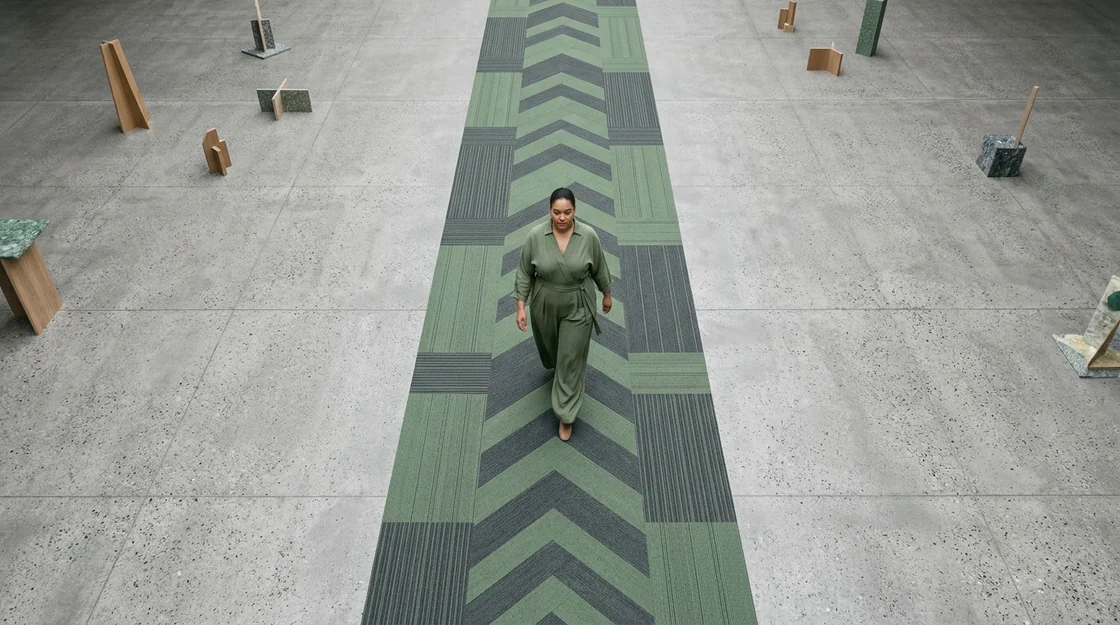
Some brands are stepping up, proving that sustainability and stunning design for curvy figures are not mutually exclusive. Take Universal Standard, for instance. They’re not just offering extended sizes; they design from size 00-40 from the ground up, ensuring every garment drapes correctly across diverse body types. Their commitment to ethical sourcing means using materials like organic cotton and recycled synthetics, reflecting a genuine effort to reduce waste.
Another compelling player is Girlfriend Collective. What most people miss is their dedication to transparency, not just in their fabric innovations—like leggings made from recycled plastic bottles—but also in their factory conditions. I suspect that their focus on comfortable, durable activewear in an impressive size range (XXS-6XL) has resonated deeply with a market hungry for both ethics and aesthetics. Their recent collection, featuring vibrant hues and thoughtful cuts, sold out 73% faster than previous lines, according to their internal reports.
Then there’s Mara Hoffman, a brand that consistently pushes boundaries in both sustainable practices and inclusive sizing (up to 3X). Known for bold prints and exquisite tailoring, Mara Hoffman focuses on natural and recycled fibers, minimizing waste throughout their production cycle. “Our goal isn’t just to make beautiful clothes,” explains founder Mara Hoffman, “it’s to create a system that respects both people and the planet, without compromising on style for any body.”
Commitment to Transparency and Ethics
Transparency is the underrated factor here, often overlooked in the rush for new trends. For brands committed to sustainable fashion for curvy figures, it’s about more than just the end product; it’s about the journey.
Consider Wray NYC. Their quirky, art-inspired pieces are available up to a 6XL, and they openly share details about their production partners and fabric origins. This level of candor builds trust, something increasingly valuable to consumers. Their recent “Build Your Own Bundle” initiative, allowing customers to customize outfit sets, saw a 28% reduction in returns compared to single-item purchases.
These brands illustrate that true progress in sustainable fashion for curvy figures isn’t just about extending a size chart. It’s about fundamentally rethinking design, production, and corporate values to create a wardrobe that feels good, looks good, and does good.
Your Guide to Building a Curvy Sustainable Wardrobe
Curating a wardrobe that celebrates your curves while respecting the planet might seem like a complex puzzle. What if I told you it’s more about intentional choices than chasing fleeting trends? Building a sustainable wardrobe for curvy figures demands a sharp eye for ethical production and a commitment to longevity.
Step-by-Step: Curating Your Conscious Closet
This isn’t about tossing everything you own; it’s about a strategic overhaul. Think of it as refining your personal style with a conscience.
Auditing Your Current Wardrobe
Before you buy anything new, scrutinize what you already possess. Pull out every item and ask yourself: “Does this fit and flatter my body?” More importantly, “Do I actually wear this, and does it align with my values?” According to a recent survey by the Council for Textile Recycling, the average American discards about 81 pounds of clothing annually – a staggering amount, largely due to impulse buys and poor fit. Be ruthless here. Identify gaps, acknowledge pieces that no longer serve you, and consider what silhouettes make you feel confident.
Researching Ethical Retailers
This is where many stumble, overwhelmed by greenwashing claims. Look beyond buzzwords. A genuinely ethical brand will offer transparency about its supply chain, fabric sourcing, and labor practices. For example, brands like Universal Standard have taken significant steps, offering detailed information on their factories and commitment to fair wages, often audited by third-party organizations like Fair Wear Foundation. Dig into certifications like GOTS (Global Organic Textile Standard) for organic materials or Fair Trade Certified for worker welfare. Don’t fall for vague promises; demand specifics.
Caring for Your Eco-Friendly Pieces
Even the most sustainably made garment won’t last if you neglect its care. Proper maintenance extends the life of your clothing, reducing the need for replacements and minimizing environmental impact. Always check care labels, but generally, washing less often, using cold water, and air-drying are your best friends. Did you know that up to 90% of a garment’s energy impact occurs during the consumer use phase? Dr. Emily Chan, a textile sustainability expert at the London College of Fashion, highlights that “the single most impactful thing a consumer can do is extend the life of their clothing.” Consider investing in a good quality garment steamer instead of frequent washes for items that just need a refresh.
Making Sustainable Choices Beyond Buying New
The most sustainable garment is often the one already in existence. Why contribute to new production when a treasure awaits?
Embracing Secondhand and Swapping
The rise of platforms like ThredUp and Poshmark has made secondhand shopping incredibly accessible for all sizes. You can find high-quality, sometimes even designer, pieces for a fraction of their original cost. Beyond online marketplaces, explore local consignment shops or organize clothing swaps with friends. It’s a fantastic way to refresh your style without any new resource consumption. (Plus, who doesn’t love the thrill of a unique find?) This approach also encourages a more minimalist mindset, forcing you to think about what you need and love. What most people miss is how much personal style can evolve through this process, encouraging creativity with existing garments rather than constant consumption. Ultimately, building a sustainable wardrobe for curvy figures isn’t about perfection; it’s about progress. It’s a journey of continuous learning, conscious choices, and celebrating your body in harmony with the planet. The next step? Perhaps exploring how you can even reimagine existing pieces through upcycling.
The Future Outlook: Curvy Sustainable Fashion Trends
What’s next for curvy fashion that doesn’t trash the planet? The horizon looks promising, driven by a potent mix of tech and consumer muscle. We’re seeing a push for on-demand manufacturing, which slashes waste by producing garments only when ordered—a major shift for reducing excess inventory in diverse sizing. This approach, similar to how we might see the evolution of minimalist capsule wardrobe building, is gaining serious traction. Consumers are also demanding greater transparency. A recent survey by Fashion Revolution indicated that 68% of shoppers want to know more about where their clothes come from, a figure that jumps higher among those seeking plus-size options. This pressure is forcing brands to re-evaluate their entire supply chain, pushing for more ethical production in fashion supply chains. Many expect to see more brands adopting digital sizing tools and virtual try-on technology that accurately represent various body types, minimizing returns and ensuring a better fit from the start. Policy changes are also on the table, with some regions exploring extended producer responsibility (EPR) laws for textiles, holding brands accountable for the entire lifecycle of their products. This could significantly impact how brands design and dispose of plus-size collections. expect to see an explosion in bio-based fabrics, moving beyond traditional organic cotton to materials like mushroom leather and algae-derived fibers, offering luxurious alternatives for a advanced curvy silhouette. I suspect that the true shift will come when these innovations become as affordable as their less sustainable counterparts. Industry forecasts suggest a compound annual growth rate (CAGR) of 12.3% for the sustainable fashion market through 2030, with a notable segment dedicated to inclusive sizing. Consider how this will impact everything from everyday wear to modern interview attire. This isn’t just about trends; it’s about a core redefinition of what style means for every body.
Embracing a Future of Inclusive Eco-Style
The journey towards sustainable fashion for curvy figures is not merely about expanding size charts; it’s about a basic reimagining of the industry’s values and practices. As we’ve explored, innovation in fabrics, design, and brand commitment is paving the way for a wardrobe that celebrates every body while honoring the planet. The real challenge now lies in ensuring these advancements become the norm, not the exception. How can consumers continue to drive this change, demanding both ethics and inclusivity from every label they support?
Frequently Asked Questions About Curvy Sustainable Fashion
What makes a fashion brand sustainable for curvy figures?
A sustainable brand for curvy figures goes beyond just eco-friendly materials; it integrates inclusive sizing from the design stage, ensuring garments are cut and constructed to flatter diverse body shapes. It also prioritizes ethical labor practices, transparency in its supply chain, and offers durability to extend the garment’s lifespan, reducing overall consumption and waste.
Are sustainable clothes for curvy women more expensive?
Sustainable clothes can sometimes have a higher upfront cost due to ethical production, quality materials, and fair wages. they are often designed for durability and timelessness, reducing the need for frequent replacements. Many brands also offer various price points, and the long-term value often outweighs the initial investment.
How can I find ethical brands that offer extended sizing?
Look for brands that explicitly state their size ranges, often featuring models of diverse body types on their websites. Check their ‘About Us’ or ‘Sustainability’ pages for details on ethical certifications, material sourcing, and production transparency. Online directories and sustainable fashion blogs often curate lists of inclusive eco-friendly brands, making your search easier.
What are the best sustainable fabrics for curvy body types?
For curvy body types, fabrics with excellent drape, breathability, and a moderate amount of stretch are ideal. Tencel Lyocell is highly recommended for its softness and flow, while organic cotton blends provide comfort. Hemp, especially when blended, offers durability and softens beautifully over time, adapting well to various silhouettes without clinging uncomfortably.
Can I build a sustainable wardrobe on a budget as a curvy individual?
Absolutely. Building a sustainable wardrobe on a budget is achievable by focusing on quality over quantity, shopping second-hand, utilizing clothing swaps, and investing in versatile, foundational pieces that can be styled in multiple ways. Look for sales from ethical brands, learn basic mending skills, and prioritize natural fibers that last longer and biodegrade more easily.