
Implementing a comprehensive winter skincare prep routine is crucial for protecting the skin against harsh environmental elements, preventing dryness, and preserving its natural radiance through strategic hydration and barrier support.
As the chill of winter approaches, our skin often signals a need for change. The drop in humidity, biting winds, and indoor heating can strip away moisture, leaving skin feeling dry, tight, and irritated. This makes a well-thought-out winter skincare prep routine not just beneficial, but absolutely essential for maintaining a healthy, radiant complexion throughout the colder months. Let’s delve into a comprehensive six-step guide designed to shield your skin from winter’s harsh embrace and keep it glowing.
Understanding winter’s impact on your skin
Winter brings with it a unique set of challenges for our skin. The cold, dry air outside, coupled with the warm, dry air from indoor heating systems, creates a constant assault on our skin’s natural moisture barrier. This environmental stress can lead to a cascade of issues, from mild dryness and flakiness to more severe conditions like eczema flare-ups and increased sensitivity.
The skin’s outermost layer, the stratum corneum, acts as a protective shield, locking in moisture and keeping irritants out. In winter, this barrier can become compromised, leading to transepidermal water loss (TEWL), where water evaporates from the skin more rapidly. Understanding these mechanisms is the first step toward effective winter skincare prep, allowing us to choose products and practices that specifically address these challenges.
Ignoring these seasonal demands can result in a dull, uncomfortable complexion that not only looks unhealthy but also feels itchy and tight. By proactively adjusting your regimen, you can mitigate these effects and ensure your skin remains resilient and vibrant, regardless of the weather outside.
Ultimately, recognizing the specific stressors of winter on your skin allows for a more targeted and effective approach to care. This foundational knowledge empowers you to make informed decisions about your routine, moving beyond generic advice to truly address your skin’s unique needs during this demanding season.
Step 1: Gentle cleansing and exfoliation adjustments
The first crucial step in any effective skincare routine, especially during winter, is cleansing. However, the approach to cleansing needs a significant shift when temperatures drop. Harsh cleansers that strip the skin of its natural oils can exacerbate dryness and compromise the skin barrier, making it more vulnerable to winter’s effects. Opting for gentle, hydrating cleansers is paramount.
Look for cream-based, oil-based, or milky cleansers that are free of sulfates and harsh foaming agents. These formulations effectively remove impurities and makeup without stripping essential moisture. It’s also wise to reduce the frequency of cleansing, perhaps limiting it to once a day in the evenings, and simply rinsing with water in the mornings.
The role of gentle exfoliation
Exfoliation remains important in winter to remove dead skin cells that can accumulate and prevent proper product absorption. However, the type and frequency of exfoliation must be carefully considered to avoid irritation.
- Chemical Exfoliants: Opt for mild alpha hydroxy acids (AHAs) like lactic acid, which also offers hydrating properties, or polyhydroxy acids (PHAs), known for their gentleness.
- Frequency: Reduce exfoliation to once or twice a week, depending on your skin’s sensitivity. Over-exfoliating can damage the skin barrier.
- Avoid Physical Scrubs: Harsh physical scrubs with jagged particles can create micro-tears in fragile winter skin, leading to increased irritation and dryness.
By adjusting your cleansing and exfoliation habits, you lay a healthy foundation for the rest of your winter skincare prep. This careful approach ensures that your skin is clean and smooth, ready to absorb the nourishing treatments that follow, without being stripped or irritated.
Step 2: Layering hydrating serums and essences
Once your skin is clean and gently exfoliated, the next critical step in your winter skincare prep is to replenish moisture with hydrating serums and essences. These lightweight, concentrated formulas deliver a potent dose of active ingredients deep into the skin, providing intense hydration and preparing the skin for subsequent treatments.
Serums and essences are designed to penetrate more deeply than moisturizers, making them ideal for addressing specific concerns like dehydration. In winter, their role becomes even more vital as they act as a foundational layer of moisture, helping to plump the skin and improve its overall resilience against dryness. Choosing the right ingredients is key to maximizing their benefits.
Key hydrating ingredients to look for
When selecting serums and essences for your winter routine, prioritize ingredients known for their exceptional hydrating and barrier-supporting properties. These include:
- Hyaluronic Acid: A powerful humectant that attracts and holds up to 1,000 times its weight in water, drawing moisture from the air and into your skin.
- Glycerin: Another excellent humectant that helps to hydrate the skin and strengthen its barrier function.
- Niacinamide (Vitamin B3): Improves skin barrier function, reduces redness, and has anti-inflammatory properties, making it excellent for sensitive winter skin.
- Ceramides: Essential lipids that are naturally found in the skin and play a crucial role in maintaining the skin barrier and preventing moisture loss.
Apply these products to damp skin immediately after cleansing and toning. This helps to lock in the water and enhance their absorption. Layering a hydrating serum under a richer moisturizer creates a powerful moisture sandwich, ensuring your skin receives sustained hydration throughout the day and night.
Step 3: Investing in richer moisturizers and facial oils
While serums provide deep hydration, a richer moisturizer acts as the protective seal, locking in all the goodness and creating a barrier against the harsh winter elements. This is where many people make a critical mistake, sticking to their lightweight summer lotions. For effective winter skincare prep, a substantial upgrade to your moisturizer is non-negotiable.
Thicker creams, balms, and facial oils are formulated with higher concentrations of emollients and occlusives that not only replenish lost moisture but also prevent further water loss. These ingredients form a protective layer on the skin’s surface, shielding it from cold winds and dry indoor air, which can otherwise compromise the skin barrier.
Choosing the right rich moisturizer
When selecting your winter moisturizer, look for ingredients that provide both hydration and barrier support. Ingredients like shea butter, squalane, ceramides, and fatty acids are excellent choices. These help to repair and strengthen the skin’s natural lipid barrier, making it more resilient.
- Emollients: Soften and smooth the skin (e.g., fatty acids, ceramides).
- Occlusives: Form a protective layer to prevent water loss (e.g., petrolatum, mineral oil, shea butter).
- Humectants: Attract water to the skin (e.g., glycerin, hyaluronic acid).
Facial oils can be incorporated as a final step in your routine, after your moisturizer, to provide an extra layer of nourishment and protection. Oils like jojoba, argan, rosehip, or marula are rich in antioxidants and essential fatty acids, which help to soothe dry, irritated skin and restore its natural glow. They can also be mixed into your moisturizer for an added boost.
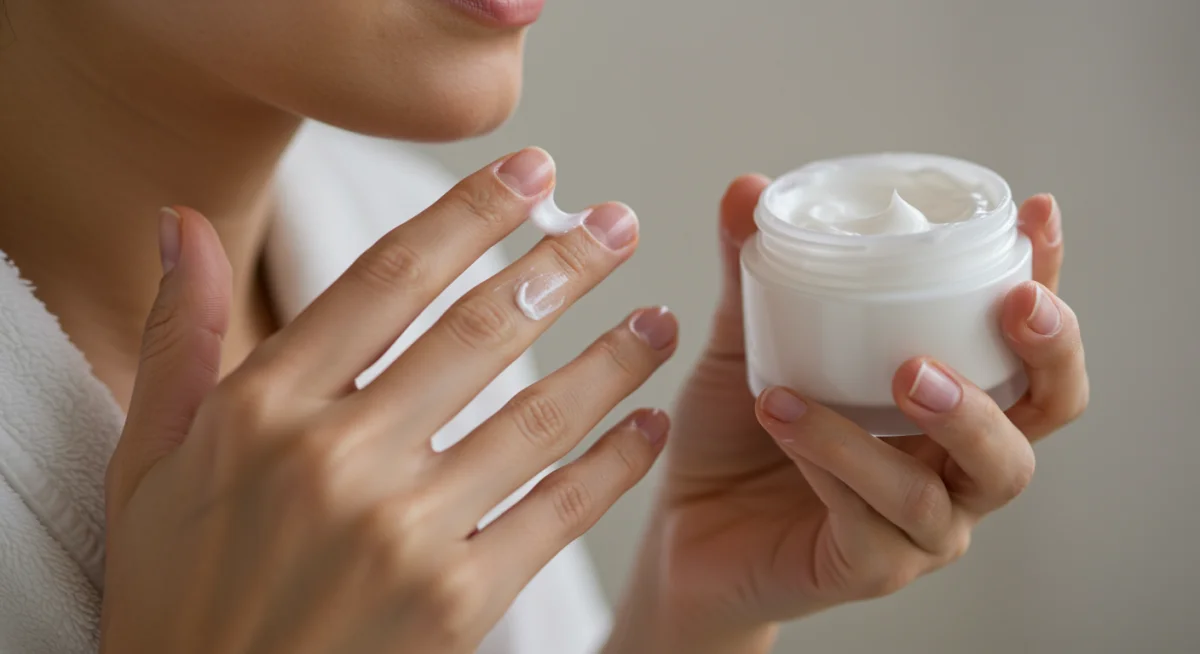
The combination of a rich cream and a nourishing facial oil ensures that your skin receives comprehensive protection and deep hydration, making it supple and comfortable even in the most unforgiving winter conditions. This strategic layering is fundamental to successful winter skincare prep.
Step 4: Sun protection is still essential, even in winter
It’s a common misconception that sunscreen is only necessary during the sunny summer months. However, the sun’s ultraviolet (UV) rays are present year-round, and they can cause significant damage to your skin even in winter. Snow can reflect up to 80% of UV radiation, intensifying exposure, especially at higher altitudes. Therefore, incorporating daily sun protection is a non-negotiable part of your winter skincare prep.
UVA rays, which contribute to premature aging and skin cancer, penetrate clouds and windows, meaning your skin is exposed even when you’re indoors or on an overcast day. UVB rays, responsible for sunburn, are also present, particularly on reflective surfaces like snow and ice. Protecting your skin from these rays helps prevent collagen breakdown, hyperpigmentation, and the increased risk of skin cancer.
Choosing the right winter SPF
When selecting a sunscreen for winter, look for formulations that are not only effective but also complement your hydrating routine. Many winter-specific sunscreens offer moisturizing benefits, killing two birds with one stone.
- Broad-Spectrum: Ensure your sunscreen protects against both UVA and UVB rays.
- SPF 30 or Higher: This is the minimum recommended SPF for daily use.
- Moisturizing Formulas: Look for sunscreens that contain hydrating ingredients like hyaluronic acid, glycerin, or ceramides to avoid further drying out your skin.
- Physical Sunscreens: Zinc oxide and titanium dioxide are often well-tolerated by sensitive skin and provide a physical barrier against the sun.
Apply sunscreen as the last step in your morning skincare routine, after your moisturizer and before any makeup. Don’t forget often-neglected areas like your ears, neck, and the backs of your hands, which are also exposed to the elements. Consistent sun protection is vital for long-term skin health and maintaining that radiant glow you’ve worked hard to achieve.
Step 5: Incorporating overnight masks and humidifiers
While your daytime routine focuses on protection and immediate hydration, nighttime is when your skin goes into repair mode. Maximizing this period with targeted treatments is a smart move for effective winter skincare prep. Overnight masks and humidifiers work synergistically to provide intense nourishment and create an optimal healing environment for your skin.
Overnight masks are typically richer and more occlusive than regular night creams. They form a protective layer that allows active ingredients to penetrate deeply and prevents transepidermal water loss while you sleep. This prolonged contact with beneficial ingredients can significantly improve skin hydration, plumpness, and barrier function by morning.
The power of overnight masks
Look for overnight masks packed with ingredients like ceramides, hyaluronic acid, squalane, and nourishing plant oils. Some masks also contain gentle retinoids or peptides to support cell turnover and collagen production without causing excessive dryness, a common concern with stronger anti-aging treatments during winter.
- Application: Apply a generous layer as the final step in your evening routine, 2-3 times a week, or as needed.
- Benefits: Wake up to softer, more supple, and visibly hydrated skin.
- Targeted Treatment: Choose masks that address specific concerns like extreme dryness, redness, or dullness.
A humidifier, particularly in your bedroom, is another unsung hero of winter skincare. Indoor heating systems drastically reduce humidity levels, drawing moisture from your skin. A humidifier adds moisture back into the air, helping to prevent your skin from drying out overnight. This creates a more skin-friendly environment, reducing the stress on your skin barrier.
By combining the intense nourishment of overnight masks with the environmental support of a humidifier, you provide your skin with the best possible conditions for recovery and hydration. This dual approach ensures that your skin remains plump, comfortable, and radiant, even when faced with the driest winter air.
Step 6: Don’t forget your body, lips, and hands
While facial skincare often takes center stage, true winter skincare prep encompasses your entire body. The skin on your body, lips, and hands is just as susceptible to winter’s harsh effects, often showing signs of dryness and irritation even more prominently due to constant exposure and less consistent care. Neglecting these areas can lead to discomfort and a compromised skin barrier.
Your hands are constantly exposed to cold air, frequent washing, and harsh sanitizers, making them prone to extreme dryness, cracking, and even eczema. Your lips, lacking sebaceous glands, are highly vulnerable to chapping and peeling. And the skin on your body, often covered, still suffers from reduced humidity, leading to itchiness and flakiness.
Targeted care for vulnerable areas
- Hands: Invest in a rich, emollient hand cream and apply it frequently, especially after washing. Look for ingredients like shea butter, glycerin, and ceramides. Consider wearing gloves outdoors to protect them from the elements. Overnight hand masks or a thick layer of petroleum jelly under cotton gloves can work wonders.
- Lips: Use a nourishing lip balm with ingredients like beeswax, shea butter, lanolin, or petroleum jelly. Reapply throughout the day, especially after eating or drinking. Avoid licking your lips, as this can worsen dryness. Consider a gentle lip scrub once a week to remove flakes, followed by a thick balm.
- Body: Switch to a hydrating body wash or cleansing oil that won’t strip your skin. Immediately after showering or bathing, while your skin is still damp, apply a thick body cream or balm. Look for formulas with ingredients like urea, lactic acid, or colloidal oatmeal for extra soothing and hydration.
By extending your meticulous skincare approach to these often-overlooked areas, you ensure head-to-toe comfort and radiance throughout the winter. This holistic approach to winter skincare prep guarantees that no part of your skin is left vulnerable to the season’s challenges, keeping you feeling soft, smooth, and protected all over.
| Key Step | Brief Description |
|---|---|
| Gentle Cleansing | Switch to hydrating, non-stripping cleansers and reduce exfoliation frequency. |
| Hydrating Serums | Layer hyaluronic acid, glycerin, or ceramide-rich serums for deep moisture. |
| Richer Moisturizers | Opt for thick creams and facial oils to seal in moisture and protect the barrier. |
| Body & Lip Care | Extend care to hands, lips, and body with rich balms and creams. |
Frequently asked questions about winter skincare prep
Winter’s cold, dry air combined with indoor heating significantly reduces humidity, leading to increased transepidermal water loss from your skin. This environmental stress compromises your skin’s natural moisture barrier, making it less effective at retaining hydration and more susceptible to dryness, flakiness, and irritation.
Yes, it’s highly recommended. Switch from foaming or gel cleansers to cream-based, oil-based, or milky formulas. These are less likely to strip your skin of its natural oils, helping to preserve your skin’s delicate moisture barrier. Look for sulfate-free options to avoid further drying.
Absolutely. UVA and UVB rays are present year-round, regardless of temperature or cloud cover. Snow can even reflect up to 80% of UV radiation, intensifying exposure. Daily broad-spectrum SPF 30+ sunscreen is crucial to prevent premature aging, hyperpigmentation, and skin cancer risks.
Yes, a humidifier can be a game-changer for winter skin. By adding moisture back into the dry indoor air, it helps prevent your skin from losing its natural hydration while you sleep or work. This supports your skin barrier and reduces overall dryness and discomfort.
For very dry winter skin, prioritize ingredients like hyaluronic acid, glycerin, ceramides, shea butter, squalane, and fatty acids. These humectants, emollients, and occlusives work together to attract moisture, soften skin, strengthen the barrier, and prevent water loss, providing intense relief and protection.
Conclusion
Navigating the winter months with a healthy, radiant complexion doesn’t have to be a struggle. By committing to a thoughtful winter skincare prep routine, you can effectively counteract the drying and irritating effects of cold weather and indoor heating. Each of the six steps outlined—from gentle cleansing and strategic exfoliation to layering hydrating serums, using richer moisturizers, applying daily SPF, incorporating overnight masks, and extending care to your body, lips, and hands—plays a vital role in fortifying your skin’s natural defenses. Embrace these adjustments, and you’ll find your skin not only survives winter but thrives, emerging supple, smooth, and glowing, ready to face any season with confidence.