The 2026 Guide to Sustainable Fashion details 7 crucial eco-conscious wardrobe pieces, focusing on reducing textile waste by 15% through innovative materials and ethical production, empowering consumers to build a stylish yet responsible closet.
As we step into 2026, the imperative for conscious consumption has never been clearer, especially within the fashion industry. This guide delves into sustainable fashion 2026, highlighting seven indispensable pieces that form the bedrock of an eco-conscious wardrobe, aiming to significantly reduce textile waste.
The Rise of Regenerative Agriculture in Fashion
The fashion landscape of 2026 is increasingly shaped by regenerative agriculture, a holistic farming practice that not only produces raw materials but also actively improves soil health, biodiversity, and ecosystem resilience. This approach moves beyond merely sustaining resources to actively restoring them, offering a powerful solution to the environmental impact of conventional farming.
Understanding regenerative agriculture is crucial for anyone building a truly sustainable wardrobe. It’s about recognizing that the clothes we wear begin with the land, and how that land is managed directly affects our planet’s health. Brands are now investing heavily in sourcing materials from farms that practice these methods, ensuring a traceable and positive impact from fiber to final garment.
Beyond Organic: The Regenerative Standard
While organic certification has been a benchmark for sustainable practices, regenerative agriculture takes it a step further. It focuses on carbon sequestration, water retention, and eliminating synthetic pesticides entirely, creating a virtuous cycle for the environment.
- Soil Health Improvement: Enhances soil fertility and structure, reducing erosion.
- Increased Biodiversity: Supports a wider range of plant and animal life.
- Carbon Sequestration: Draws carbon from the atmosphere back into the soil.
- Water Conservation: Improves the land’s ability to retain water, reducing irrigation needs.
This shift towards regenerative sourcing means consumers can expect to see more transparency regarding the origins of their garments. Labels will increasingly detail not just the material, but the farming practices behind it, empowering buyers to make informed decisions that support ecological restoration.
Innovating Materials: The Core of Sustainable Fashion 2026
The future of fashion hinges on material innovation, moving away from resource-intensive fabrics towards options that are biodegradable, recycled, or derived from sustainable sources. In 2026, we see a significant acceleration in the development and adoption of these groundbreaking materials, directly contributing to the goal of reducing textile waste by 15%.
These innovations aren’t just about being eco-friendly; they’re also about enhancing durability, comfort, and aesthetic appeal. Designers are embracing these new fabrics, integrating them seamlessly into collections that are both stylish and environmentally responsible, proving that sustainability doesn’t mean compromising on design.
From Waste to Wearable: Upcycling and Recycling Technologies
Advanced recycling technologies are transforming textile waste into high-quality fibers, closing the loop on production. Chemical recycling methods are becoming more efficient, allowing for the reuse of complex blends that were once difficult to process.
- Closed-Loop Systems: Minimizing waste by returning materials to the production cycle.
- Bio-based Synthetics: Developing performance fabrics from plant sugars and other renewable resources.
- Mushroom Leather (Mycelium): A versatile, biodegradable alternative to traditional leather.
- Algae-based Dyes: Reducing water pollution and the need for synthetic chemicals.
The emphasis is on creating materials that are not only sustainable in their production but also in their end-of-life cycle, ensuring they can be easily recycled or biodegrade without harming the environment. This holistic approach to material science is a cornerstone of the sustainable fashion 2026 movement.
Key Piece 1: The Organic Cotton Essential Tee
The organic cotton essential tee remains a foundational piece in any eco-conscious wardrobe for 2026. Its enduring appeal lies in its versatility, comfort, and significantly reduced environmental footprint compared to conventional cotton. Opting for organic cotton ensures that no harmful pesticides or synthetic fertilizers were used in its cultivation, protecting both the environment and the health of farmers.
This simple yet powerful garment embodies the principle of buying less but better. A high-quality organic cotton tee can be dressed up or down, layered, and worn across seasons, making it a true workhorse in a minimalist, sustainable closet. Its longevity reduces the need for frequent replacements, directly contributing to the reduction of textile waste.
Why Organic Cotton Matters
The benefits of organic cotton extend beyond its cultivation. The processing often involves fewer harsh chemicals, leading to a softer fabric that is gentler on the skin and less likely to cause allergic reactions. Furthermore, the focus on fair labor practices in organic farming often means better conditions for workers.
- Reduced Water Usage: Organic farming methods generally require less water.
- No Harmful Chemicals: Protects ecosystems and human health.
- Biodegradable: Returns to nature without leaving microplastic pollution.
- Durability: High-quality organic cotton often lasts longer.
When selecting your organic cotton tee, look for certifications like GOTS (Global Organic Textile Standard), which guarantees strict environmental and social criteria throughout the entire supply chain. This transparency ensures that your purchase genuinely supports sustainable practices in sustainable fashion 2026.
Key Piece 2: Recycled Denim Jeans
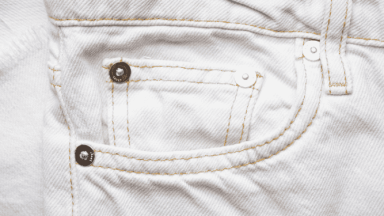
Denim production has historically been one of the most resource-intensive processes in fashion, consuming vast amounts of water and chemicals. However, recycled denim jeans are emerging as a game-changer for sustainable fashion 2026, offering a stylish alternative that significantly mitigates environmental impact. These jeans are crafted from post-consumer or post-industrial denim waste, giving new life to discarded textiles.
The evolution of recycled denim technology means that modern versions are just as durable and comfortable as their virgin counterparts, without the heavy environmental toll. Brands are increasingly investing in innovative processes to break down old denim and spin it into new fibers, reducing the demand for new cotton and diverting waste from landfills.
The Environmental Advantage of Recycled Denim
Choosing recycled denim has a multitude of environmental benefits, making it an essential component of an eco-conscious wardrobe. It represents a tangible step towards a circular economy in fashion, where resources are kept in use for as long as possible.
- Water Savings: Drastically reduces the water needed for new cotton cultivation.
- Waste Reduction: Diverts textile waste from landfills and incineration.
- Energy Efficiency: Often requires less energy than producing new materials.
- Reduced Chemical Use: Minimizes the need for dyes and finishing chemicals.
When shopping for recycled denim, look for brands that clearly state the percentage of recycled content and any additional certifications for ethical production. Pair them with your organic tee for a classic, sustainable look that speaks volumes about your commitment to responsible fashion choices.
Key Piece 3: The Versatile Tencel Dress
Tencel, a brand name for lyocell and modal fibers, is a semi-synthetic fabric known for its exceptional softness, breathability, and impressive sustainability credentials. A versatile Tencel dress is a must-have in your sustainable fashion 2026 wardrobe, offering elegance and comfort while minimizing environmental harm. These fibers are made from sustainably sourced wood pulp, typically eucalyptus, using a closed-loop production process.
The closed-loop system means that over 99% of the solvents used in Tencel production are recovered and reused, drastically reducing water pollution and waste. This makes Tencel an outstanding choice for those seeking luxurious feel and drape without the ecological guilt often associated with other synthetic or natural fibers.
Why Tencel Stands Out
Tencel’s properties make it ideal for a wide range of garments, from everyday wear to more formal attire. Its natural breathability and moisture-wicking capabilities ensure comfort in various climates, further enhancing its versatility and longevity in your closet.
- Eco-Friendly Production: Closed-loop system minimizes chemical and water waste.
- Biodegradable: Naturally decomposes at the end of its life cycle.
- Soft & Drapable: Offers a luxurious feel similar to silk or rayon.
- Durable & Wrinkle-Resistant: Maintains its quality and appearance over time.
A Tencel dress can transition effortlessly from a casual daytime look to an evening ensemble with a change of accessories, embodying the principle of versatility that is central to reducing textile waste. Investing in such a piece means choosing both style and profound environmental responsibility.
Key Piece 4: Hemp Blended Blazer
Hemp, one of humanity’s oldest cultivated plants, is making a significant comeback in the fashion industry for 2026, and a hemp blended blazer is a prime example of its potential. This fiber is incredibly durable, naturally resistant to pests, and requires very little water and no pesticides to grow, making it an exceptionally sustainable choice. Blending it with other natural fibers like organic cotton or recycled polyester enhances its drape and softness, creating a sophisticated garment.
The inherent strength and longevity of hemp mean that a blazer made from this material will withstand the test of time, reducing the need for frequent replacements. This directly aligns with the goal of building a lasting, eco-conscious wardrobe and cutting down on textile waste. Its natural texture also adds a unique character to any outfit, blending ruggedness with refined style.
The Undeniable Advantages of Hemp
Hemp’s environmental benefits are extensive, positioning it as a leading sustainable fiber. Its ability to thrive in diverse climates with minimal input makes it a future-proof material for the fashion industry.
- Low Water Consumption: Requires significantly less water than cotton.
- Pest Resistant: Eliminates the need for harmful pesticides.
- Soil Enrichment: Improves soil health and prevents erosion.
- Incredibly Durable: Creates long-lasting garments that resist wear and tear.
A hemp blazer is not just a style statement; it’s a commitment to a more sustainable future. Its versatility allows it to be worn in professional settings or dressed down for casual occasions, making it a smart and responsible addition to your sustainable fashion 2026 collection.
Key Piece 5: Mushroom Leather Accessories
The quest for ethical and sustainable alternatives to traditional animal leather has led to remarkable innovations, with mushroom leather (mycelium-based materials) standing out as a leading contender for sustainable fashion 2026. Accessories crafted from these innovative materials—such as handbags, wallets, or belts—offer a luxurious feel and appearance without the environmental and ethical concerns associated with animal husbandry.
Mushroom leather is grown from the root structure of fungi, a process that is significantly less resource-intensive than raising livestock. It requires minimal land, water, and emits far fewer greenhouse gases. Furthermore, these materials are often biodegradable, offering a genuine closed-loop solution at the end of their product life.
Why Mycelium is the Future of Accessories
Beyond its ecological benefits, mushroom leather boasts an impressive range of properties that make it highly desirable for fashion. Its versatility allows for various textures and finishes, mimicking different types of leather, from supple and soft to firm and structured.
- Ethical & Cruelty-Free: A vegan alternative with no animal products.
- Low Environmental Impact: Minimal land, water, and energy use.
- Biodegradable: Decomposes naturally, reducing landfill waste.
- Customizable Textures: Can be engineered to mimic various leather finishes.
Incorporating mushroom leather accessories into your wardrobe is a powerful statement of support for biomaterials and a move towards a truly circular economy. These pieces not only elevate your style but also embody a commitment to innovation and environmental stewardship.
Key Piece 6: The Modular, Repairable Jacket
In the landscape of sustainable fashion 2026, the modular, repairable jacket represents a paradigm shift from disposable clothing to garments designed for longevity and adaptability. This innovative piece features interchangeable components—think detachable hoods, linings, or sleeves—allowing it to be customized for different weather conditions and styles, effectively extending its lifespan and reducing the need for multiple jackets.
Beyond modularity, the emphasis on repairability is crucial. Brands are designing these jackets with easily replaceable parts, accessible repair services, or even providing DIY repair kits. This approach directly combats the fast fashion cycle by encouraging consumers to mend rather than discard, significantly lowering textile waste.
Designing for Durability and Adaptability
The concept behind a modular, repairable jacket is to maximize utility and minimize environmental impact. By offering versatility and the option for repair, these jackets become long-term investments rather than temporary trends.
- Extended Lifespan: Designed to last for many years through repair and adaptation.
- Reduced Consumption: Fewer purchases needed due to multi-functional design.
- Waste Reduction: Direct impact on decreasing textile landfill contributions.
- Resource Efficiency: Maximizes the value of materials and manufacturing efforts.
Investing in a modular, repairable jacket is a conscious decision to embrace a slower fashion philosophy. It’s about valuing craftsmanship, durability, and the environmental benefits of owning fewer, higher-quality items that can evolve with your needs and the changing seasons.
Key Piece 7: Upcycled Knitwear
Upcycled knitwear is a testament to creativity and resourcefulness in sustainable fashion 2026, offering unique, stylish pieces while making a significant dent in textile waste. This category includes garments made from pre-existing knit fabrics, discarded sweaters, or yarn scraps that are re-engineered into new designs. Instead of contributing to landfills, these materials are given a second life, often resulting in one-of-a-kind items.
The beauty of upcycled knitwear lies not only in its environmental benefits but also in its distinctive aesthetic. Each piece often tells a story, carrying the essence of its previous form while being transformed into something entirely new and fashionable. This approach champions individuality and craftsmanship over mass production.
The Art and Impact of Upcycling
Upcycling goes beyond mere recycling; it involves adding value to discarded materials through creative transformation. For knitwear, this can involve deconstructing old garments, re-knitting yarns, or combining different textures and colors to create innovative designs.
- Maximized Resource Use: Extends the life cycle of existing materials.
- Reduced Manufacturing Footprint: Avoids the energy and water needed for new production.
- Unique Aesthetic: Creates original, handcrafted pieces with character.
- Direct Waste Diversion: Prevents textiles from ending up in landfills.
Embracing upcycled knitwear means supporting a more circular and less wasteful fashion industry. It’s a conscious choice to wear garments that are not only stylish but also embody a powerful message about sustainability and the potential of creative reuse in your 2026 wardrobe.
| Key Piece | Sustainability Benefit |
|---|---|
| Organic Cotton Tee | No harmful pesticides, less water, biodegradable. |
| Recycled Denim Jeans | Reduces water use, diverts textile waste from landfills. |
| Tencel Dress | Closed-loop production, biodegradable, from sustainable wood pulp. |
| Hemp Blended Blazer | Low water, no pesticides, soil enriching, highly durable. |
Frequently Asked Questions About Sustainable Fashion 2026
The main goal of sustainable fashion in 2026 is to significantly reduce the environmental and social impact of clothing production and consumption. This includes minimizing textile waste, conserving resources, promoting ethical labor practices, and fostering a circular economy where garments are designed for longevity and recyclability.
Regenerative agriculture positively impacts fashion by producing raw materials like cotton and wool in a way that restores soil health, sequesters carbon, and enhances biodiversity. This approach reduces the environmental footprint of textile production, offering a more holistic and restorative alternative to conventional farming methods.
Recycled denim jeans are crucial because they divert massive amounts of textile waste from landfills and significantly reduce the demand for virgin cotton, which is very water-intensive. By transforming old jeans into new ones, they minimize water usage, energy consumption, and chemical pollution associated with traditional denim manufacturing.
Mushroom leather, derived from mycelium, is a sustainable alternative due to its low environmental impact. Its production requires minimal land, water, and greenhouse gas emissions compared to animal leather. It is also often biodegradable, making it an ethical and eco-friendly choice for accessories like handbags and belts in a circular fashion system.
A modular jacket reduces textile waste by extending its lifespan through adaptable design and repairability. Its interchangeable components allow it to suit various conditions, reducing the need for multiple garments. The focus on easy repairs encourages mending over discarding, promoting a long-term relationship with the garment and combating fast fashion’s disposability.
Conclusion
The journey towards a truly sustainable fashion industry in 2026 is marked by innovation, conscious consumer choices, and a collective commitment to reducing environmental impact. By embracing the seven key pieces outlined in this guide—from organic cotton essentials to mushroom leather accessories and modular jackets—consumers can actively participate in building an eco-conscious wardrobe. These choices not only reflect personal style but also contribute to a larger movement aimed at reducing textile waste by 15%, fostering regenerative practices, and ultimately shaping a more responsible and resilient future for fashion. Every thoughtful purchase is a step towards a healthier planet and a more ethical industry.