
The sun-drenched days of summer are synonymous with outdoor adventures, relaxation, and a vibrant glow. However, with the increasing intensity of solar radiation, particularly a projected 15% increase in UV radiation by Summer 2026, our approach to skincare must evolve. It’s no longer just about preventing sunburn; it’s about comprehensive protection, repair, and maintaining skin health against amplified environmental stressors. This requires strategic summer skincare swaps, moving beyond conventional routines to embrace advanced solutions that shield our skin from the heightened risks of UV exposure. This guide will delve into practical, science-backed strategies and essential product recommendations to help you navigate Summer 2026 with confidence, ensuring your skin remains resilient, radiant, and protected.
Understanding the Elevated UV Threat in Summer 2026
Before we dive into the solutions, it’s crucial to grasp the magnitude of the challenge. Scientific projections indicate a significant rise in UV index levels, making effective skin protection more critical than ever. UV radiation, primarily UVA and UVB rays, is a formidable adversary for skin health. UVA rays penetrate deep into the dermis, contributing to premature aging, wrinkles, and hyperpigmentation. UVB rays are the primary cause of sunburn and play a significant role in the development of skin cancer. The anticipated 15% increase in UV intensity means that the cumulative damage from even brief periods of unprotected sun exposure will be greater, accelerating photoaging and elevating the risk of skin malignancies. This heightened threat necessitates a proactive and informed approach to our summer skincare swaps, moving beyond basic SPF to a multi-faceted defense system.
The Science Behind Increased UV Radiation
Several factors contribute to the escalating UV levels. Depletion of the ozone layer, which acts as Earth’s natural sunscreen, allows more harmful UV radiation to reach the surface. Climate change also plays a role, with altered weather patterns and increased clear-sky days potentially leading to more direct sun exposure. Understanding these environmental shifts underscores the urgency of adapting our skincare regimens. Our skin is our largest organ, and its ability to protect us from external aggressors is paramount. Therefore, investing in superior sun protection and reparative skincare is not just a cosmetic choice but a vital health imperative for Summer 2026 and beyond.
The Cornerstone of Summer Skincare: Advanced Sun Protection
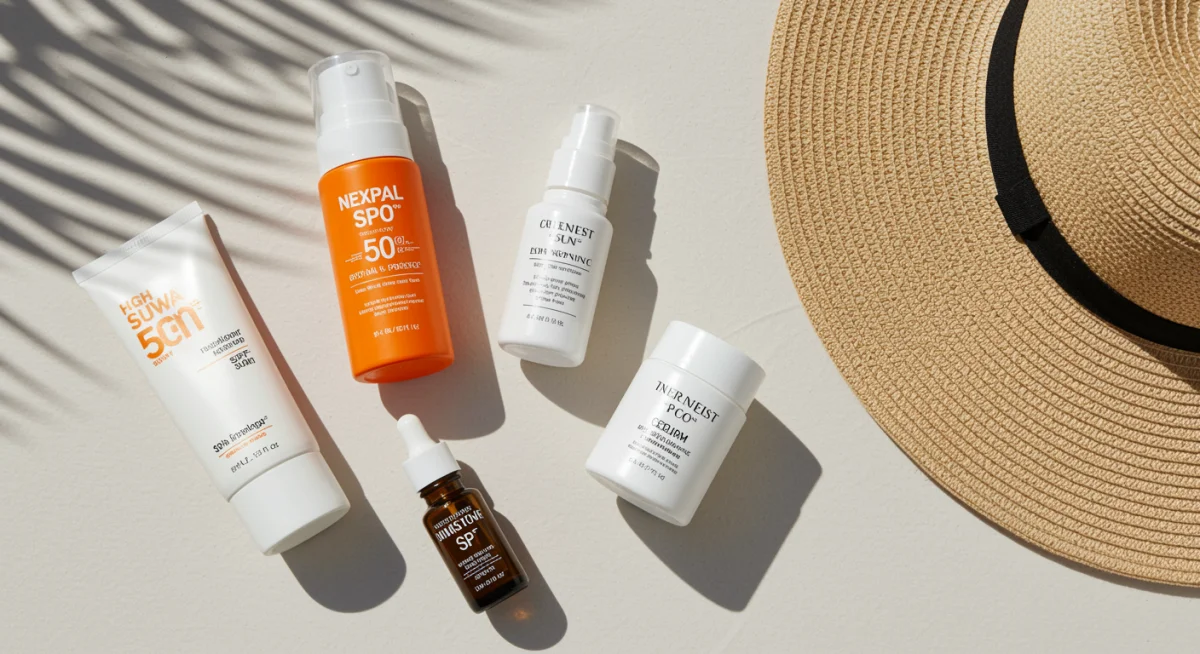
When it comes to summer skincare swaps, upgrading your sunscreen is non-negotiable. Forget the notion of sunscreen as a sticky, unpleasant necessity; modern formulations offer elegant textures, broad-spectrum protection, and even added skincare benefits. With the projected increase in UV, aim for sunscreens with an SPF of 50 or higher, and ensure they are broad-spectrum, meaning they protect against both UVA and UVB rays. Water resistance is also a key feature for active summer days.
Mineral vs. Chemical Sunscreens: Making the Right Choice
- Mineral Sunscreens: These contain zinc oxide and titanium dioxide, which create a physical barrier on the skin’s surface, reflecting UV rays. They are often preferred for sensitive skin, as they are less likely to cause irritation. Modern mineral formulations are micronized, reducing the white cast often associated with older versions.
- Chemical Sunscreens: These absorb UV radiation and convert it into heat, which is then released from the skin. They tend to be lighter in texture and blend seamlessly, making them ideal for daily wear under makeup. Look for formulations that offer a blend of photostable filters for comprehensive protection.
The best sunscreen is the one you will use consistently. Apply a generous amount – about a shot glass full for the body and a nickel-sized dollop for the face – at least 15-30 minutes before sun exposure, and reapply every two hours, or more frequently if swimming or sweating. Don’t forget often-neglected areas like the ears, neck, chest, and the tops of your feet.
Beyond Sunscreen: Antioxidants as Your Skin’s Bodyguards
While sunscreen forms the first line of defense, it doesn’t block 100% of UV rays, and it doesn’t address the free radical damage generated by UV and other environmental aggressors. This is where antioxidants become indispensable in your summer skincare swaps. Antioxidants neutralize free radicals, unstable molecules that can cause oxidative stress, leading to cellular damage, inflammation, and premature aging.
Key Antioxidants to Incorporate:
- Vitamin C (L-Ascorbic Acid): A powerhouse antioxidant that brightens skin, stimulates collagen production, and offers photoprotective benefits. Look for serums with a concentration of 10-20% for optimal efficacy. Apply in the morning before sunscreen to maximize its protective effects.
- Vitamin E: Often found alongside Vitamin C, Vitamin E is a fat-soluble antioxidant that helps stabilize cell membranes and protect against UV-induced damage.
- Ferulic Acid: This plant-based antioxidant enhances the stability and efficacy of Vitamins C and E, making them even more potent when combined.
- Niacinamide (Vitamin B3): A versatile ingredient that offers antioxidant properties, reduces inflammation, improves skin barrier function, and can help minimize the appearance of pores and fine lines.
- Green Tea Extract: Rich in polyphenols, green tea provides strong antioxidant and anti-inflammatory benefits, helping to calm and protect the skin.
Incorporating an antioxidant serum into your morning routine after cleansing and before sunscreen is one of the most impactful summer skincare swaps you can make. It creates a robust shield against environmental damage, complementing your sunscreen’s protective capabilities.
Lightweight Hydration: Swapping Heavy Creams for Breathable Formulas
As temperatures and humidity rise, your skin’s hydration needs change. Heavy, occlusive moisturizers that work wonders in winter can feel suffocating in summer, potentially leading to clogged pores and breakouts. The ideal summer skincare swaps include transitioning to lighter, more breathable hydrating formulas that provide ample moisture without feeling greasy.
Hydration Heroes for Summer:
- Hyaluronic Acid Serums: A humectant that attracts and holds up to 1000 times its weight in water, hyaluronic acid delivers intense hydration without any heaviness. Apply to damp skin for best results.
- Gel Moisturizers: These water-based formulations are refreshing, absorb quickly, and provide essential hydration without occluding pores. They are perfect for oily, combination, and even normal skin types during warmer months.
- Lightweight Lotions: If you have drier skin, opt for a lightweight lotion over a rich cream. Look for ingredients like ceramides and glycerin to support the skin barrier.
- Facial Mists: Keep a hydrating facial mist handy for a refreshing pick-me-up throughout the day. Look for mists with hydrating ingredients like rose water, aloe vera, or hyaluronic acid.
Proper hydration is not just about comfort; it’s crucial for maintaining a healthy skin barrier, which is your first line of defense against environmental damage. Dehydrated skin is more susceptible to irritation and can appear dull and less resilient.
Exfoliation in Summer: Gentle is Key
Exfoliation is vital for removing dead skin cells, promoting cell turnover, and maintaining a clear, radiant complexion. However, in summer, with increased sun exposure and potentially more sensitive skin, it’s essential to adjust your exfoliation routine. Aggressive exfoliation can compromise your skin barrier, making it more vulnerable to sun damage and irritation. This is a crucial area for summer skincare swaps.
Smart Exfoliation for Summer:
- Chemical Exfoliants (AHAs/BHAs): Instead of harsh physical scrubs, consider gentle chemical exfoliants. Lactic acid (an AHA) is a milder option that also offers hydrating benefits. Salicylic acid (a BHA) is excellent for oily and acne-prone skin, as it penetrates oil to clear pores. Reduce the frequency of use (e.g., 2-3 times a week instead of daily) or opt for lower concentrations.
- Enzyme Exfoliants: These use fruit enzymes (like papaya or pineapple) to gently dissolve dead skin cells without scrubbing. They are often very mild and suitable for sensitive skin.
- Avoid Over-Exfoliation: If you use retinoids, be extra cautious with exfoliation. Combining too many active ingredients can lead to irritation and increased sun sensitivity.
Always apply sunscreen diligently after exfoliating, as fresh skin cells are more susceptible to UV damage. Listen to your skin; if it feels tight, red, or irritated, reduce the frequency or strength of your exfoliants.
Post-Sun Care: Soothe and Repair
Even with the most diligent protection, some sun exposure is inevitable. That’s why incorporating effective post-sun care is another vital component of your summer skincare swaps. Post-sun products are designed to soothe, repair, and replenish the skin, mitigating potential damage and supporting its recovery.
Essential Post-Sun Solutions:
- Aloe Vera: A classic for a reason, aloe vera is renowned for its soothing, anti-inflammatory, and hydrating properties. Look for pure aloe vera gel without added fragrances or alcohol.
- Centella Asiatica (Cica): This botanical extract is a powerful skin healer, known for its ability to calm inflammation, promote collagen production, and accelerate wound healing.
- Hyaluronic Acid and Ceramides: After sun exposure, the skin can become dehydrated and its barrier compromised. Products rich in hyaluronic acid and ceramides help to restore moisture and strengthen the skin barrier.
- Antioxidant-Rich Serums: Applying an antioxidant serum in the evening can help to scavenge any lingering free radicals generated during the day’s sun exposure.
- Cool Compresses: For immediate relief from heat and redness, a cool, damp cloth can work wonders.
Never underestimate the power of a good after-sun routine. It can significantly reduce discomfort, prevent peeling, and support the skin’s natural repair processes, leaving it healthier and more resilient for the days to come.
Diet and Lifestyle: Internal Skincare Swaps for Summer
Skincare isn’t just about what you put on your skin; it’s also about what you put into your body and how you live. For Summer 2026, consider these internal summer skincare swaps to enhance your skin’s resilience from within.
Hydration from Within:
Drink plenty of water throughout the day. Dehydration can manifest on your skin as dullness, fine lines, and reduced elasticity. Aim for at least 8 glasses of water, and more if you’re active or spending time outdoors in the heat. Incorporate hydrating foods like watermelon, cucumber, and berries into your diet.

Antioxidant-Rich Diet:
Your diet is a powerful source of internal antioxidants. Load up on colorful fruits and vegetables, especially those rich in Vitamin C (citrus, bell peppers, berries), Vitamin E (nuts, seeds, leafy greens), and carotenoids (carrots, sweet potatoes, tomatoes). These nutrients help protect your cells from oxidative damage and support overall skin health.
Protective Clothing and Accessories:
While not a product swap, smart fashion choices are crucial for external protection. Wide-brimmed hats, UV-protective clothing (UPF-rated), and sunglasses are essential accessories for Summer 2026. They provide a physical barrier against UV rays, reducing your reliance solely on sunscreen for exposed areas.
Seek Shade:
Whenever possible, seek shade, especially during peak UV hours (typically 10 AM to 4 PM). This simple habit can significantly reduce your overall UV exposure and is one of the most effective, no-cost summer skincare swaps.
Addressing Specific Summer Skin Concerns
The summer months can bring about specific skin challenges. Here’s how to make targeted summer skincare swaps to address them effectively:
Managing Hyperpigmentation:
Increased sun exposure can exacerbate dark spots and uneven skin tone. Incorporate ingredients like Vitamin C, Niacinamide, Alpha Arbutin, and Tranexamic Acid into your routine. These ingredients help inhibit melanin production and fade existing pigmentation. Consistent use of high SPF sunscreen is paramount to prevent new spots from forming.
Combatting Breakouts:
Heat and humidity can increase oil production, leading to more breakouts. Swap heavy cleansers for gentle, foaming options. Incorporate salicylic acid (BHA) into your routine a few times a week to keep pores clear. Choose non-comedogenic products across your entire routine to avoid clogging pores.
Soothing Heat Rash:
Heat rash, or prickly heat, can occur when sweat ducts become blocked. Wear loose, breathable clothing made from natural fibers like cotton. Keep your skin cool and dry. Use soothing products containing colloidal oatmeal or aloe vera to calm irritated skin. Avoid heavy creams and excessive layering of products.
The Importance of Consistency and Patience
Making these summer skincare swaps is an investment in your skin’s long-term health. However, consistency is key. Don’t expect overnight miracles. Give your skin time to adapt to new products and routines. Adhere to your sun protection regimen daily, even on cloudy days or when indoors near windows, as UV rays can penetrate glass.
Regular Skin Checks:
With increased UV exposure, it’s more important than ever to conduct regular self-skin checks. Look for any new moles, changes in existing moles (size, shape, color, symmetry, border), or any unusual lesions. If you notice anything concerning, consult a dermatologist promptly. Annual professional skin checks are also highly recommended, especially with the projected increase in UV radiation for Summer 2026.
Building Your Personalized Summer 2026 Skincare Routine
Here’s a simplified breakdown of how to integrate these summer skincare swaps into a daily routine:
Morning Routine:
- Cleanse: Gentle, refreshing cleanser.
- Antioxidant Serum: Vitamin C or Niacinamide serum.
- Hydration: Lightweight hyaluronic acid serum or gel moisturizer.
- Sunscreen: Broad-spectrum SPF 50+ (mineral or chemical, depending on preference).
Evening Routine:
- Double Cleanse: Oil cleanser followed by a gentle water-based cleanser (especially if wearing makeup or heavy sunscreen).
- Treatment (2-3 times/week): Gentle chemical exfoliant (AHA/BHA) or retinoid (if part of your regular routine, adjust frequency as needed).
- Repair/Hydration: Soothing serum (e.g., Centella Asiatica) or a lightweight, barrier-supporting moisturizer.
- Post-Sun Care (as needed): Aloe vera or specific after-sun balm if you’ve had significant sun exposure.
Conclusion: Embrace Summer 2026 with Protected, Radiant Skin
The prospect of increased UV radiation in Summer 2026 might seem daunting, but with the right knowledge and strategic summer skincare swaps, you can enjoy the season safely and confidently. By prioritizing advanced sun protection, integrating powerful antioxidants, opting for lightweight hydration, practicing gentle exfoliation, and supporting your skin from within, you are not just preventing damage; you are actively promoting skin health and longevity.
Remember, your skin is a dynamic organ that requires care and attention. Listen to its needs, adapt your routine as necessary, and always consult with a dermatologist for personalized advice, especially if you have specific concerns or conditions. With these practical solutions, you’re well-equipped to face the sunnier days ahead, ensuring your skin remains healthy, resilient, and beautifully radiant throughout Summer 2026 and beyond.