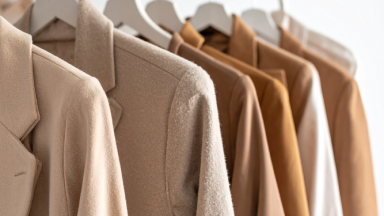
retro summer fashion revival in U.S. retail is driven by nostalgia-fueled demand for durable fabrics, versatile silhouettes and timeless prints, while retailers use curated merchandising, limited drops and authentic influencer partnerships to convert interest into repeat sales and strong sell-through.
retro summer fashion revival in U.S. retail is nudging old favorites back into closets. Ever wonder why straw hats and bold prints feel fresh again? This piece looks at what’s flying off shelves, how stores stage nostalgia, and tips to buy pieces that last—not just trend.
Why nostalgia is powering retro summer demand
retro summer fashion revival in U.S. retail is tapping emotional memories to make old styles feel new. Shoppers are choosing pieces that link to warm summers, family trips, or teen years.
That pull matters for what stores buy and how people shop this season.
Why memories sell
People often prefer items that remind them of good times. A simple print or a soft fabric can trigger a positive mood and quicken a buy decision. Retailers know this and lean into familiar shapes and colors.
Retail moves that use nostalgia
Stores and brands nudge buyers with clear tactics. They recreate moments that feel safe and fun, then make those items easy to find.
- Curated displays that echo past decades, like surf or boardwalk vibes.
- Limited drops of vintage-style pieces to boost urgency.
- Collaborations with retro brands or influencers who embody the era.
- Mixing old patterns with modern fits to widen appeal.
These tactics help convert curiosity into sales. When a customer sees a styled outfit that looks like a memory, they are more likely to try it on.
Who is buying and why it matters
Different groups respond to nostalgia for different reasons. Younger shoppers often treat retro as fresh and playful. Older shoppers look for comfort and familiar fit.
Retailers track which segments buy what, then tailor sizes, price points, and marketing to those groups. That makes stock moves more efficient and reduces waste.
How to spot retro pieces that last
Not every nostalgic item becomes a staple. Focus on quality and versatility when choosing pieces.
- Pick durable fabrics that can be worn multiple ways.
- Choose classic prints or muted tones over extreme novelty.
- Look for modern tailoring that keeps comfort while nodding to the past.
Shoppers who mix a retro piece with neutral basics get more use and feel less like they are following a short fad.
In short, nostalgia drives the retro summer fashion revival in U.S. retail by connecting emotions to purchase choices. When brands present memory-rich items with clear styling and good quality, shoppers respond—and those items stick around longer.
Best-selling pieces: prints, fabrics and silhouettes
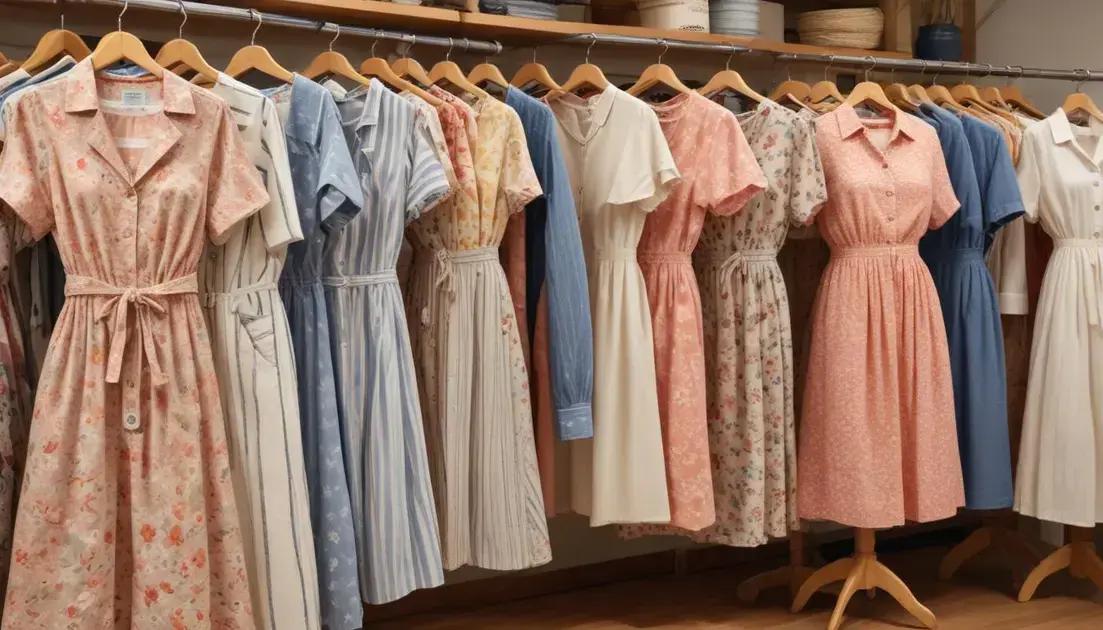
retro summer fashion revival in U.S. retail is sending certain prints, fabrics and shapes to the top of wish lists. Shoppers spot a pattern or texture and imagine warm days and easy outfits.
Retailers study those cues to pick pieces that sell fast and feel familiar.
Top prints that move off shelves
Bold florals, classic stripes, and playful geometric prints are repeating best-sellers. These patterns read as instantly summer-ready and pair well with basics.
- Bold florals that read vintage but feel updated in scale.
- Horizontal or nautical stripes for easy outfits.
- Small geometric prints for versatile tops and skirts.
These prints work because they balance nostalgia with daily wear. A floral dress or striped tee is easy to style and appeals across ages.
Fabrics that shoppers prefer
Lightweight, breathable materials lead sales. Cotton blends, linen-look weaves, and soft chambray give that summer feel without high maintenance.
- Lightweight cotton: breathable and easy to wash.
- Linen blends: the relaxed look without extreme wrinkling.
- Soft chambray and lightweight denim for durable, casual pieces.
Retailers often highlight fabric touch and care labels to reassure buyers. When material feels good, shoppers imagine wearing the item more often.
Price matters too: mid-priced items that use durable fabrics often outsell cheaper, flimsy alternatives. Shoppers expect a balance of look and value.
Silhouettes that fit summer plans
Easy silhouettes like A-line dresses, relaxed button-ups, and high-rise shorts dominate lists. They work for beach days, brunch, and travel.
Modern fits mix a retro nod with updated tailoring. For example, a boxy bowling shirt cut in soft cotton or a midi skirt with a streamlined waistband.
- A-line and midi dresses for versatile day-to-night looks.
- Relaxed button-ups and camp shirts for layering.
- High-rise shorts and cropped trousers for retro proportions that feel modern.
Sizing that includes extended ranges and adjustable features like elastic waists boosts appeal. When a silhouette flatters more body types, it sells longer.
Styling tips help convert interest into purchases. Showing a retro print paired with neutral basics or adding a modern shoe can make an older look feel new.
Retailers who combine the right prints, honest fabric descriptions, and flattering silhouettes tap into the retro summer fashion revival in U.S. retail effectively. That mix turns curiosity into repeat buys and keeps popular pieces in rotation season after season.
Retail playbook: merchandising, drops and influencer hooks
retro summer fashion revival in U.S. retail pushes stores to rethink displays and launches so pieces feel timely and desirable. Small design choices can lead to big sales when nostalgia is staged right.
This section covers clear tactics retailers use: smart merchandising, timed drops, and influencer hooks that drive foot traffic and clicks.
Visual merchandising that sells
Start with a strong focal display that tells a simple story. Use a few statement pieces, layered outfits, and props that evoke summer moments.
Designing limited drops
Limited releases create urgency but must feel authentic. Tie drops to a theme, keep quantities reasonable, and make availability clear across channels.
- Small-batch runs of signature prints to test demand.
- Pre-launch previews for loyalty members or mailing lists.
- Clear restock plans or “final run” messaging to avoid customer frustration.
Pricing and tagging should match the perceived value. Include fabric details and styling notes on the tag to reduce returns and boost confidence.
Display flow matters: place new retro pieces near basics so shoppers can imagine outfits. Use mannequins and curated bundles to show how to mix nostalgic items with modern staples.
Influencer hooks that convert
Work with creators who genuinely fit the retro vibe. Micro-influencers often deliver higher engagement and trust for niche summer looks.
- Seed products for authentic try-ons and short-form videos.
- Use exclusive codes or early access links to track sales from posts.
- Host in-store meetups or pop-ups with local creators to drive traffic.
Encourage user-generated content by resharing customer photos and featuring real shoppers on product pages. That social proof makes nostalgia feel reachable.
Measuring success and adjusting
Track sell-through, repeat buys, and conversion on influencer links. Use quick surveys at checkout to learn what memories or features drove the purchase.
- Sell-through rate by collection week to spot fast movers.
- Average order value when retro items are bundled with basics.
- Engagement and conversion from influencer posts and stories.
Adjust assortments quickly: move sizes, tweak prices, or plan follow-up drops based on early signals. Small tests help scale winners without large inventory risks.
When merchandising, drops, and influencer strategies work together, retailers can turn the retro summer fashion revival in U.S. retail into sustained demand rather than a short-lived trend.
How shoppers pick lasting retro pieces and avoid fads
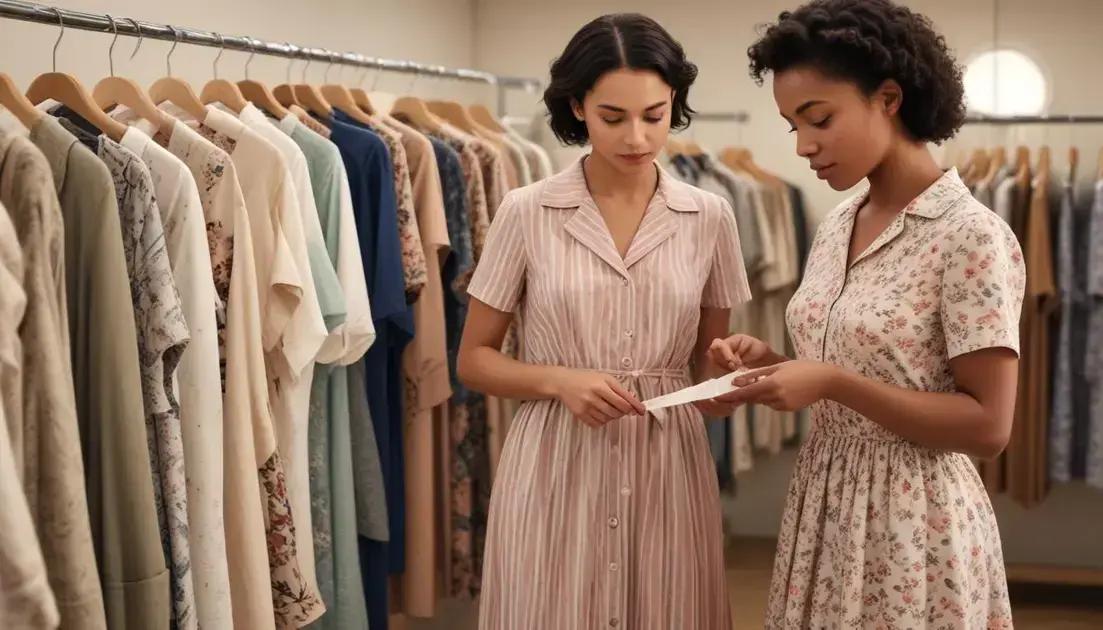
retro summer fashion revival in U.S. retail makes shoppers rethink what to keep in the closet. Many buyers now look for pieces that feel nostalgic but also work week after week.
Smart choices help avoid impulse buys that fade after one season.
Focus on fabric and finish
Start by feeling the material and checking seams. Durable fabrics like medium-weight cotton or quality chambray last longer and wash well.
- Inspect stitching at hems and buttons for strength.
- Prefer natural fibers or sturdy blends over flimsy synthetics.
- Look for clear care instructions to avoid surprise damage.
Good fabric often looks better as it wears. That keeps a retro piece feeling cared-for, not cheap.
Pick versatile silhouettes
Choose shapes that mix with basics. A midi dress or relaxed button-up should pair with jeans, sandals, or a jacket.
Pieces that layer well extend use across weather and events.
- Neutral or muted colorways that match existing items.
- Adjustable features like waist ties or elastic for a better fit.
- Classic proportions that flatter multiple body types.
When a retro item can be worn three ways, its value rises and it feels less like a fad.
Check brand history and reviews
Research the maker and read user photos. Brands known for quality are safer bets than unknown labels with viral hype.
Return policies and repair options also matter—easy returns reduce the risk of a bad buy.
Finally, think of cost per wear. A slightly pricier piece that you’ll wear often beats a cheap novelty that sits unused. Prioritizing quality, versatility, and honest product details helps shoppers ride the retro summer fashion revival in U.S. retail without getting stuck with a short-lived fad.
retro summer fashion revival in U.S. retail is driven by nostalgia plus smart retail moves. Shoppers favor quality fabrics, versatile silhouettes, and timeless prints. Stores that stage drops, partner with authentic creators, and track real data turn short buzz into steady sales.
FAQ – retro summer fashion revival in U.S. retail
What is driving the retro summer fashion revival in U.S. retail?
A mix of nostalgia, social media trends, and smart retail tactics—like curated displays and influencer collaborations—are bringing vintage styles back into demand.
How can I spot retro pieces that will last beyond a season?
Look for durable fabrics, solid stitching, versatile silhouettes, and clear care labels; pieces that mix well with your existing wardrobe tend to have longer use.
How do limited drops and influencers affect what sells?
Limited drops create urgency and test demand, while authentic influencers provide social proof and reach niche buyers, boosting conversions when paired with clear calls to action.
Which prints and fabrics are safest to buy now?
Timeless prints—florals, stripes, small geometrics—and breathable fabrics like cotton blends, linen-look weaves, and chambray offer nostalgic style with practical wearability.