how to style monochrome outfits without looking flat: choose at least two tones in the same color family, mix contrasting textures and finishes, vary silhouettes with smart layering, and add one or two anchor accessories near the waist or face to create clear focal points.
how to style monochrome outfits without looking flat feels like a small mystery — one tweak can refresh a whole look. Want quick, real-life moves (texture swaps, layering tricks, the right accessory) that make monochrome feel dynamic rather than dull? Read on and try them today.
selecting shades and contrast to avoid flatness
how to style monochrome outfits without looking flat begins with choosing tones that play off each other, not match exactly. Small shifts in shade and brightness give a single-color look depth and interest.
Think of monochrome as a palette, not a single swatch: contrast, texture and finish make the difference between dull and striking.
understanding tonal range
Tonal range means how light or dark pieces are within the same color family. Use at least two distinct tones to create dimension. A light top and a darker bottom form a simple, clear contrast that keeps the eye moving.
practical shade pairings
Try these easy combinations to avoid flatness:
- navy + powder blue: deep base with a soft highlight looks polished.
- charcoal + light gray: modern and subtle, great for workwear.
- olive + khaki: warm neutrals that read rich together.
- camel + tan: layered browns feel cozy, not one-note.
When picking pairings, test them in natural light. Some colors that appear different indoors can look similar outside. Hold pieces together and step back to see the overall effect.
using contrast beyond color
Contrast is not only about shade. Think about sheen, fabric weight and scale. A matte sweater next to a glossy leather boot creates a visual break that mimics color contrast.
Small pattern or a tonal print can act like a bridge between two shades. Choose prints that keep within your color family so they add texture without breaking the monochrome story.
- mix matte and shiny finishes to suggest depth
- pair heavy and lightweight fabrics for layered interest
- use a subtle print to soften transitions between tones
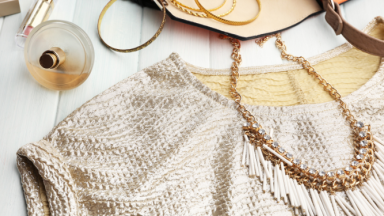
Also consider accessories: a belt or bag in the darkest or brightest tone anchors the look. Jewelry in a similar tone but different finish adds another layer of detail.
match to skin tone and environment
Some colors read differently against various skin tones. Test contrast near your face to ensure the palette flatters you. Outdoor light often reveals true tonal relationships best.
- if your skin is warm, favor warm-toned contrasts like camel and rust
- cool skin tones pair well with navy and steel gray contrasts
- neutral skin tones can experiment across the spectrum but still use clear tonal shifts
Final checks: move in the outfit, sit and stand, and photograph the look. Photos reveal flat areas you might miss in the mirror.
In short, avoid matching every piece exactly. Choose at least two tones, mix textures and finishes, and test in real light to keep your monochrome looks vivid and layered.
mixing textures and fabrics for visual depth

how to style monochrome outfits without looking flat becomes easy when you focus on fabrics and texture. A mix of materials adds dimension without changing the color story.
Try pairing different weights and finishes to create contrast that the eye can follow.
why texture matters
Texture changes how light hits an outfit. A matte knit absorbs light while a shiny fabric reflects it. That play of light and shadow gives a single-color look depth and movement.
fabric pairings that work
Use simple, reliable combinations that read cohesive but layered.
- knit + leather: soft sweater with a leather jacket or boots for instant edge.
- silk + wool: smooth silk blouse under a wool coat balances shine and structure.
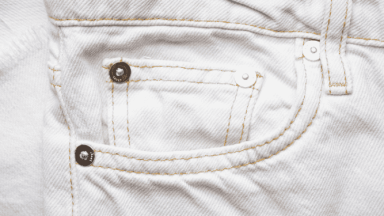
- denim + suede: rugged denim with a soft suede piece adds tactile contrast.
- cotton + satin: casual cotton with a satin scarf or skirt lifts the look.
Focus on one dominant texture and one supporting texture to avoid clutter. Test pairings by touching fabrics together and checking in daylight.
mixing scale, finish and pattern
Scale and finish matter as much as fiber. Large knits read chunky; fine knits read refined. Combine a bulky knit with slim trousers to keep the outfit balanced. A subtle tonal print can bridge two textures and keep the palette unified.
Use matte and shiny pieces to mimic light-dark contrast. Small accessories in a different finish—like a glossy belt or metallic jewelry—act as focal points inside a monochrome scheme.
- vary fabric weight for layered silhouettes
- use one statement texture and keep others minimal
- choose tonal prints that echo your main color
Care for fabrics so textures remain distinct; pilling or crushed fibers can flatten a look. Photograph outfits in natural light to spot areas that need more contrast.
In practice, start with a base texture, add a contrasting finish, and anchor the outfit with a small accessory in the darkest or brightest tone. These small moves keep monochrome outfits rich, tactile, and far from flat.
smart layering and silhouette choices
how to style monochrome outfits without looking flat gets a major boost from smart layering and the right silhouettes. Small shifts in length and shape make one-color looks feel intentional and modern.
Think of layers as a way to sculpt the outfit. Each piece should add shape, not weight.
layering basics
Start with a light base layer and add pieces that change shape. A fitted top, a mid-weight sweater and a long coat create clear planes that guide the eye. Keep layers thin near the face and heavier below to keep proportions balanced.
proportions and balance
Mix slim and roomy pieces to avoid a boxy look. If the top is oversized, choose a slimmer bottom. If trousers are wide, go for a tailored jacket or a cropped top.
- pair a slim turtleneck with wide-leg trousers for an elegant contrast
- combine a long coat with a short jacket underneath to show layered hems
- use a belt on loose layers to define the waist and add structure
- try cropped knits with high-waist bottoms to elongate the legs
Varying hem lengths creates steps of interest. Let a shirt peek under a sweater, or show a shirt tail under a blazer. These small overlaps read as deliberate, not messy.
shape tricks with fabrics
Choose fabrics that hold shape where you need it. A structured coat keeps shoulders crisp, while a soft blouse adds movement. Use stiffer fabric for the outermost layer to frame the whole look.
Layering also works with weight: lightweight pieces close to the body, medium layers in the middle, and heavier outer layers for definition. This order keeps the silhouette clear.
- use a structured outer layer to anchor soft inner pieces
- mix fitted and flowing shapes for a modern profile
- add a short layer (jacket or vest) to break long lines
Accessories can fine-tune silhouettes. A narrow belt creates a waist on loose coats. Long scarves add vertical lines that slim. Choose shoes that match the line you want—chunky boots for grounded looks, heels to lengthen.
In practice, plan one focal shape per outfit: tall and slim, short and wide, or layered steps. Build around that idea, and use layering to reinforce the chosen silhouette.
accessories, patterns and finishing touches
how to style monochrome outfits without looking flat often comes down to the little details you add at the end. The right accessory or a small pattern can turn a plain look into something deliberate and chic.
Focus on pieces that anchor the color story and add a clear focal point without breaking the palette.
choose accessories that anchor the look
Pick one or two anchor pieces that sit in the darkest or brightest tone of your outfit. These items guide the eye and give the ensemble a clear center.
- belt: a belt in a stronger tone defines the waist and creates contrast.
- bag: a structured bag in the deepest shade grounds the outfit.
- shoes: choose shoes that echo the silhouette and add a finishing line.
- hat or scarf: use these to frame the face or add vertical movement.
Keep metals and hardware tonal too: brushed gold or matte silver that matches the mood keeps the look cohesive. Avoid introducing bright contrasting colors unless you want a bold accent.
Small, tonal jewelry can add light without stealing the show. A thin chain or a pair of studs in a matching finish reads refined and intentional.
use patterns as subtle bridges
Tonal patterns are your friend. Stripes, micro-prints or woven checks in the same color family add visual texture and help pieces sit together.
A patterned shirt or scarf that repeats the outfit’s main hue acts like a bridge between different shades. Keep the pattern scale small if the look is minimal, or go larger for a more playful feel.
- choose prints with two or three close tones to maintain unity
- use a patterned layer to soften transitions between light and dark pieces
- avoid high-contrast prints that leave the monochrome path
Think of patterns as subtle signals, not focal points. They should whisper, not shout, within a one-color scheme.
finishing touches and placement
Placement matters: position accessories where they change lines or create breaks. A bag at the hip, a belt at the waist, or a scarf near the face all shift focus in useful ways.
Layer small accents: a textured sock peeking from boots, a rolled cuff showing a different fabric, or a lapel pin that picks up light. These tiny contrasts add up.
- use a darker accessory to ground light outfits
- place brighter tonal pieces near the face to energize your look
- repeat a material or finish in two places to create cohesion (belt and shoes, for example)
When in doubt, photograph the outfit from a short distance. Photos reveal how accessories read at a glance and show if a piece reads as an accent or a distraction.
In short, use accessories, tonal patterns, and careful placement to add focal points and continuity. The right finishing touches keep monochrome outfits layered, intentional, and far from flat.
Keep at least two distinct tones, mix textures, and use smart layering plus a few anchor accessories. Test outfits in natural light and tweak small details—those steps make monochrome looks feel layered and lively.
FAQ – How to style monochrome outfits without looking flat
How can I make a monochrome outfit look dynamic?
Use at least two tones, mix textures, layer pieces with varied lengths, and add one anchor accessory to create focal points.
Which textures work best together?
Pair soft knits with leather, silk with wool, denim with suede, or cotton with satin to create clear tactile contrast.
How do I pick contrast that flatters my skin tone?
Warm skin tones suit camel, rust, and olive contrasts; cool tones pair well with navy, steel, and charcoal; neutral tones can try both—always test near the face in natural light.
What accessories help avoid a flat look?
Use a belt, structured bag, shoes in a darker or brighter tone, and subtle jewelry; place accents near waist or face to guide the eye.