Sun-Kissed Glow: Foolproof Self-Tanning Under 30 Mins
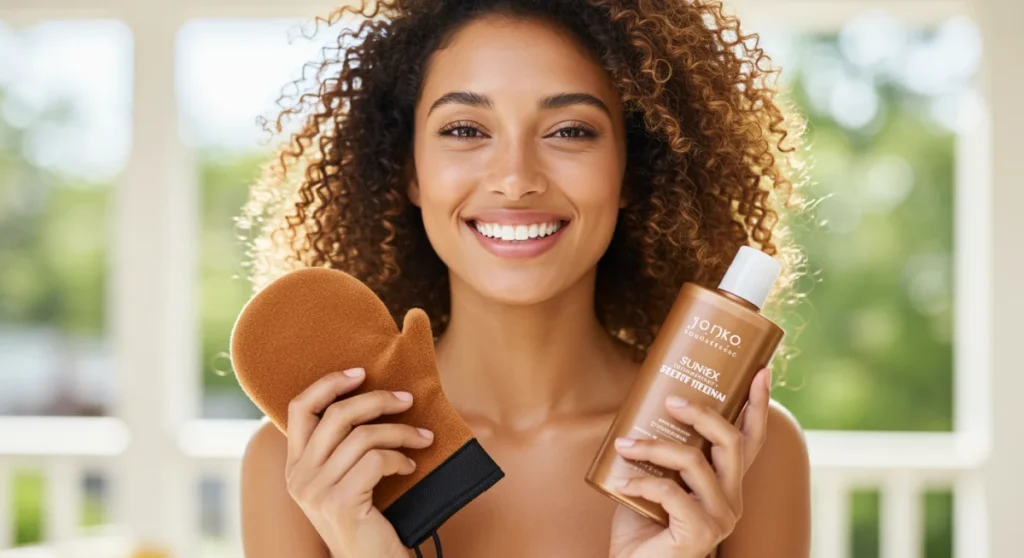
Achieving a natural, streak-free foolproof self-tanning tutorial can deliver a beautiful sun-kissed glow in under 30 minutes, transforming your complexion without sun exposure.
Dreaming of a radiant, sun-kissed glow without the harmful effects of UV rays or the expense of professional spray tans? Our comprehensive guide will walk you through a foolproof self-tanning tutorial, ensuring you achieve a flawless, streak-free finish in less than 30 minutes. Say goodbye to orange hues and uneven patches, and hello to beautifully bronzed skin.
understanding self-tanning basics
Before diving into the application process, it’s crucial to understand what self-tanning entails and how these products work. Self-tanners contain an active ingredient called Dihydroxyacetone (DHA), a sugar molecule that reacts with amino acids in the top layer of your skin to create a temporary brown color. This reaction is safe and only affects the outermost layer of dead skin cells, which naturally shed over a few days.
Knowing the basics helps demystify the process and allows you to choose the right product for your skin type and desired outcome. Different formulations, such as mousses, lotions, and sprays, offer varying levels of intensity and ease of application.
choosing the right product
- Mousses: Ideal for beginners due to their lightweight texture and quick-drying formula, often providing a natural-looking tan.
- Lotions: Offer more hydration and a gradual tan, perfect for maintaining color or building it up slowly.
- Gels/Serums: Lightweight and fast-absorbing, good for those who prefer a less heavy feel.
- Sprays: Best for experienced users, as they can be tricky to apply evenly without streaks.
Consider your skin tone when selecting a shade. If you have fair skin, start with a light-to-medium formula to avoid an unnatural appearance. Those with medium to dark skin tones can opt for medium-to-dark shades. Always read reviews and product descriptions to ensure you’re picking a reputable brand and formula.
Understanding the science behind self-tanning and selecting the appropriate product are the first critical steps towards achieving a beautiful, natural-looking tan. This foundational knowledge empowers you to approach the application with confidence and achieve optimal results.
pre-tanning preparation: the secret to streak-free results
The success of any foolproof self-tanning tutorial lies heavily in the preparation. Skipping these crucial steps is the most common reason for streaks, patches, and an uneven tan. Think of your skin as a canvas; the smoother and cleaner it is, the better the final artwork will look.
Proper preparation ensures that the self-tanner adheres evenly to your skin, resulting in a flawless, long-lasting glow. This phase typically involves exfoliation, hair removal, and moisturizing specific areas.
exfoliation and hair removal
Exfoliation is non-negotiable. Use an oil-free scrub or an exfoliating mitt to remove dead skin cells, paying extra attention to dry areas like elbows, knees, ankles, and feet. This creates a smooth surface for the self-tanner to glide on. Exfoliate 12-24 hours before you plan to self-tan, not immediately before, to allow your pores to close.
- Body Scrub: Opt for a gentle, oil-free scrub to avoid residue that can interfere with DHA development.
- Exfoliating Mitt: A simple yet effective tool for manual exfoliation, especially for harder-to-reach areas.
- Dry Brushing: Excellent for stimulating circulation and sloughing off dead skin cells gradually.
If you plan to shave or wax, do so at least 24 hours before tanning. This allows your hair follicles to close, preventing the self-tanner from settling into them, which can lead to tiny dark dots.
strategic moisturizing
After exfoliation and hair removal, moisturize very dry areas lightly. These include elbows, knees, hands, and feet. These areas tend to absorb more product, leading to darker patches. A thin layer of moisturizer acts as a barrier, ensuring a more even application.
Avoid applying moisturizer all over your body, as this can dilute the self-tanner and prevent it from developing fully. Focus only on the areas most prone to dryness and uneven absorption. This meticulous preparation is key to a truly streak-free and natural-looking tan.
the 30-minute application method for a perfect glow
Now that your skin is perfectly prepped, it’s time for the main event: applying the self-tanner. The goal is a quick, efficient, and even application that delivers a beautiful sun-kissed glow in under 30 minutes. This section will guide you through the process, emphasizing techniques for a natural finish.
The key to a fast and flawless application is working in sections and using the right tools. A tanning mitt is essential for protecting your hands and ensuring an even spread of product.
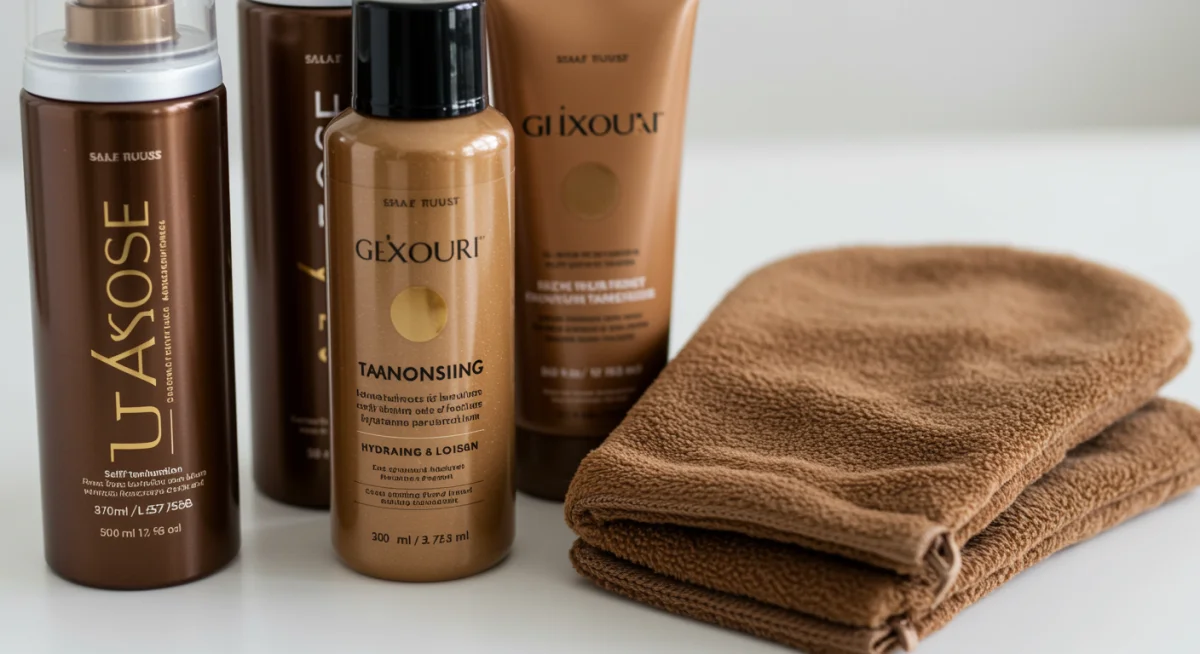
Before you begin, ensure you’re in a well-lit area. Wear dark, loose clothing or a swimsuit to avoid staining your good clothes. Gather your self-tanner, a tanning mitt, and a damp cloth for quick clean-ups.
application techniques for different body parts
- Legs: Start with your legs. Apply a dollop of self-tanner onto your mitt and use long, sweeping motions upwards from your ankles. Work in small sections to ensure full coverage.
- Torso and Back: For your torso, apply in circular motions. For your back, consider using a back applicator or asking a friend for help. If tanning alone, apply less product and reach as far as you can, then blend the edges.
- Arms: Apply to your arms using circular motions, working from your wrists towards your shoulders. Bend your elbows slightly to ensure no creases are missed.
- Hands and Feet: These are notorious for streaks. Use very little product – often just the residual product on your mitt after tanning larger areas. Lightly buff over your hands and feet, paying attention to knuckles, wrists, and ankles. Wipe your palms, between fingers, and toenails with a damp cloth immediately.
Always apply self-tanner in thin layers. It’s better to apply a second layer later if you desire a deeper tan than to apply too much at once, which can lead to streaks. Allow the product to dry completely before dressing, usually 10-15 minutes, depending on the product. This careful, methodical approach ensures a smooth, even, and natural-looking tan that develops beautifully.
post-tanning care: extending your sun-kissed glow
Achieving a beautiful tan is only half the battle; maintaining it is equally important. Proper post-tanning care can significantly extend the life of your sun-kissed glow, keeping it even and vibrant for longer. This involves smart moisturizing, gentle cleansing, and knowing when to reapply.
After your initial application, the self-tanner needs time to develop, typically 4-8 hours. During this period, avoid showering, sweating excessively, or wearing tight clothing that could rub off the product.
maintaining your tan
Once your tan has fully developed and you’ve had your first rinse, moisturizing becomes your best friend. Hydrated skin retains its tan longer and fades more evenly. Use a rich, non-oil-based moisturizer daily, ideally twice a day, to keep your skin supple.
- Hydrate Daily: Apply a body lotion or butter every morning and evening.
- Gentle Cleansing: Use a mild, sulfate-free body wash when you shower. Avoid harsh scrubbing or hot water, as these can strip your tan.
- Pat Dry: Instead of rubbing vigorously with a towel, gently pat your skin dry after showering.
Consider using a gradual tanning lotion every 2-3 days to top up your color and prevent fading. These lotions contain a small amount of DHA, allowing you to subtly deepen and extend your tan without having to go through a full reapplication.
By following these post-tanning care steps, you can ensure your beautiful sun-kissed glow lasts as long as possible, maintaining a fresh and natural look. This diligent care regimen is vital for maximizing the results of your foolproof self-tanning tutorial.
troubleshooting common self-tanning mistakes
Even with a foolproof self-tanning tutorial, mistakes can happen. The good news is most self-tanning mishaps are fixable. Knowing how to address common issues like streaks, orange patches, or uneven fading can save you from tanning despair and help you maintain your confidence.
Being prepared with solutions ensures that a minor error doesn’t ruin your entire tanning experience. From tackling stubborn streaks to correcting an overly dark application, there are effective remedies available.
fixing streaks and patches
- Lemon Juice & Baking Soda: Mix equal parts lemon juice and baking soda to form a paste. Apply to dark patches or streaks, leave for 5-10 minutes, then gently scrub and rinse. The acidity helps to lighten the tan.
- Exfoliating Mitt: For lighter streaks, a gentle scrub with an exfoliating mitt in the shower can help blend out uneven areas.
- Tanning Remover Products: Many brands offer specialized self-tan removers. These are effective for correcting mistakes and completely removing old tan.
- Baby Oil: Apply baby oil to the affected area and let it soak in for 10-15 minutes, then gently rub off with a cloth. It helps to break down the DHA.
If your tan looks too orange, it usually means you’ve either used too much product, chosen a shade too dark for your skin tone, or haven’t exfoliated properly. To correct it, try the lemon juice and baking soda method or a tan remover.
For uneven fading, focus on re-exfoliating the patchy areas and then applying a gradual tanning lotion to blend the color. Remember, consistency in application and maintenance is crucial to avoid these issues in the first place, but knowing how to fix them provides peace of mind.
advanced tips for an expert-level tan
Once you’ve mastered the basics of our foolproof self-tanning tutorial, you might be ready to elevate your tanning game. These advanced tips can help you achieve an even more natural, sophisticated, and long-lasting glow, mimicking a professional spray tan without leaving your home.
These techniques focus on refining your application, enhancing the natural look of your tan, and ensuring longevity with minimal effort. They are perfect for those who want to achieve truly expert-level results.
contouring and blending techniques
- Body Contouring: Use a smaller brush (like a foundation brush) to apply a slightly darker self-tanner to areas you want to define, such as under your collarbones, down the sides of your abs, or along your triceps. This creates a subtle contour effect.
- Face Tanning: For your face, mix a few drops of self-tanning serum with your daily moisturizer. This ensures a more gradual and natural facial tan that blends seamlessly with your body. Always extend the application down your neck and décolletage.
- Bridging the Gaps: To avoid harsh lines, lightly buff the edges of your tanned areas into untanned skin (like your inner arms or behind your ears) with a clean, dry mitt or a large fluffy brush.
Consider investing in a dedicated self-tanning brush for hands and feet. These brushes allow for very precise and light application, preventing the common problem of overly dark knuckles and ankles. Apply a tiny amount of product and buff it in circular motions for a perfectly blended finish.
Another expert tip is to use barrier cream on areas you absolutely do not want tanned, such as your eyebrows, hairline, and any scars. This ensures these areas remain untouched, contributing to a more natural and polished look. With these advanced strategies, your self-tan will look so natural, people will wonder if you just returned from a tropical vacation.
maintaining your perfect glow through the seasons
Having achieved a beautiful, streak-free sun-kissed glow with our foolproof self-tanning tutorial, the next step is learning how to maintain it consistently, regardless of the season. A year-round radiant complexion is entirely achievable with the right approach and product choices.
Maintaining your tan effectively means adjusting your routine slightly to accommodate environmental factors and your skin’s changing needs. This ensures your glow remains vibrant and natural-looking throughout the year.
seasonal adjustments and product rotation
In warmer months, when you might be showing more skin, you might opt for a deeper, more frequent self-tan application. Focus on quick-drying mousses or gels that won’t feel heavy in humid weather. Consider using a waterproof setting spray specifically designed for self-tan to prevent transfer onto clothing or uneven fading from perspiration.
- Summer: Increase frequency of application, opt for deeper shades, and use setting sprays for longevity.
- Winter: Reduce application frequency, switch to gradual tanning lotions for a subtle glow, and prioritize intense hydration.
- Spring/Fall: Moderate application, focus on even fading and touch-ups with tanning drops.
During colder, drier months, your skin might need extra hydration. This is an excellent time to incorporate gradual tanning lotions, which often contain more moisturizing ingredients, allowing you to build and maintain a subtle glow while keeping your skin nourished. You might also reduce the frequency of full self-tan applications, opting for maintenance every 7-10 days instead of 5-7.
Another consideration is product rotation. Sometimes, your skin can become accustomed to a particular DHA formula, and the results might not be as vibrant. Periodically switching between different brands or types of self-tanners can help keep your skin responsive and your tan looking fresh. Always remember to exfoliate thoroughly between different product applications to ensure an even canvas.
By adapting your self-tanning routine to the seasons and rotating your products, you can enjoy a consistent, beautiful sun-kissed glow all year long, making your foolproof self-tanning tutorial an enduring part of your beauty regimen.
| Key Step | Brief Description |
|---|---|
| Preparation | Exfoliate and moisturize dry areas 12-24 hours prior for an even canvas. |
| Application | Use a mitt and long, sweeping motions, working in sections for streak-free results. |
| Post-Care | Moisturize daily and use gentle cleansers to extend and maintain your tan. |
| Troubleshooting | Address streaks with lemon juice/baking soda or a dedicated tan remover. |
frequently asked questions about self-tanning
A typical self-tan can last anywhere from 5 to 10 days, depending on your skin’s natural exfoliation cycle and how well you maintain it. Daily moisturizing and gentle cleansing are key to extending its longevity and ensuring even fading.
No, self-tanners do not offer any protection against the sun’s harmful UV rays. Always apply a broad-spectrum sunscreen with adequate SPF as part of your daily routine, even if you have a beautiful self-tan, to prevent sunburn and skin damage.
To prevent orange hands and feet, use very little self-tanner on these areas. Often, the residual product on your mitt is enough. Blend lightly, and immediately wipe your palms, between fingers, and toenails with a damp cloth or baby wipe.
If you notice streaks, don’t panic. You can gently exfoliate the streaky areas with a warm, damp cloth or a mixture of lemon juice and baking soda. Many brands also offer specialized tan removers that effectively correct mistakes and even out your tan.
The frequency of reapplication depends on your desired depth of tan and how quickly your skin sheds. For a consistent glow, a full reapplication every 5-7 days is common. You can use a gradual tanning lotion every 2-3 days to maintain and extend your color.
conclusion
Achieving a beautiful, natural-looking sun-kissed glow with a foolproof self-tanning tutorial is entirely within reach, even for novices. By meticulously following the preparation steps, employing careful application techniques, and committing to proper post-tanning care, you can enjoy a streak-free, radiant complexion year-round. Remember that practice makes perfect, and with each application, you’ll gain confidence and refine your technique. Embrace the glow and enjoy the confidence that comes with beautifully bronzed skin, safely and effectively.