In a world saturated with fleeting trends and endless shopping opportunities, finding and truly embracing your unique personal style can feel like an elusive quest. Yet, defining your personal style is not merely about choosing clothes; it’s about understanding yourself, expressing your identity, and making conscious decisions that reflect who you are. This journey, when navigated strategically, can transform your relationship with fashion, leading to smarter shopping habits, a more cohesive wardrobe, and a significant reduction in those regrettable impulse buys. Imagine a future, specifically in 2026, where your wardrobe perfectly encapsulates your essence, where every item sparks joy and serves a purpose, and where you’ve successfully cut down impulse purchases by a remarkable 20%. This isn’t just a dream; it’s an achievable reality with our comprehensive 4-step framework.
The allure of fast fashion, the constant bombardment of new collections, and the pressure to keep up with what’s ‘in’ can often lead us astray. We buy items on a whim, only to find them languishing in our closets, unworn and unloved. This not only drains our wallets but also contributes to environmental waste and a feeling of dissatisfaction with our own appearance. By taking the time to define personal style, you’re not just investing in your wardrobe; you’re investing in self-awareness, confidence, and a more sustainable approach to consumption. This article will guide you through a proven methodology to pinpoint your aesthetic, build a functional and beautiful wardrobe, and ultimately, become a more discerning and satisfied shopper.
Our goal is to empower you to move beyond temporary fixes and develop a timeless understanding of what works for you. No more chasing trends that don’t align with your true self. No more overflowing closets filled with clothes you barely wear. Instead, we aim for a curated collection that reflects your personality, supports your lifestyle, and makes getting dressed an effortless and enjoyable experience. Let’s embark on this transformative journey to define personal style and revolutionize your shopping habits for good.
Step 1: Introspection and Inspiration – Unearthing Your Core Aesthetic
The first and arguably most crucial step in learning to define personal style is to look inward before looking outward. Your style is a reflection of your identity, values, and aspirations. Without a clear understanding of these internal elements, any external attempt to build a wardrobe will feel superficial and fleeting. This phase is about deep introspection and gathering inspiration from a multitude of sources to start painting a clearer picture of your ideal aesthetic.
A. Self-Reflection: Who Are You, Really?
Before you even think about clothes, consider your lifestyle. What does a typical week look like for you? Are you in a corporate office, working from home, a student, an artist, a parent on the go, or a combination of these? Your wardrobe needs to support your daily activities. If you spend most of your time in casual settings, a closet full of formal wear will be impractical. Conversely, if your profession demands a polished look, your casual wear should be complementary and minimal.
Next, delve into your personality. Are you bold and adventurous, quiet and reserved, playful and creative, or classic and sophisticated? Your clothes are a non-verbal language, communicating aspects of your personality before you even speak. Think about the adjectives you would use to describe yourself, or how you want others to perceive you. Do you want to project confidence, approachability, authority, or artistic flair?
Consider your values. Do you prioritize comfort, sustainability, luxury, practicality, or uniqueness? These values will naturally influence your purchasing decisions and the types of materials, brands, and styles you gravitate towards. For instance, if sustainability is key, you might favor ethical brands, vintage finds, or durable, high-quality pieces designed to last.
Finally, think about your aspirations. Where do you see yourself in the next few years? What kind of life do you envision? Your style can be a powerful tool to help you step into that future self. Dressing for the person you want to become can be incredibly motivating and empowering.
B. Gathering Visual Inspiration: Building Your Style Arsenal
Once you have a clearer internal compass, it’s time to gather external inspiration. This is where you start to translate those internal feelings and ideas into tangible visual references. This isn’t about copying; it’s about identifying patterns, preferences, and elements that resonate with you.
Fashion Magazines & Blogs: Flip through high-end fashion magazines, browse style blogs, and explore online lookbooks. Don’t just look at the outfits; pay attention to the overall mood, the styling, the colors, the textures, and the silhouettes. Tear out pages or save images that catch your eye. What common themes emerge?
Social Media Platforms (Pinterest, Instagram): These are goldmines for visual inspiration. Create dedicated boards on Pinterest for different style categories (e.g., ‘Everyday Style,’ ‘Work Wear,’ ‘Evening Looks’). Follow fashion influencers, brands, and stylists whose aesthetics align with your budding vision. Save posts that speak to you. Analyze why you like them: Is it the color combination, the specific garment, the way it’s accessorized, or the overall vibe?
Art, Architecture & Nature: Inspiration doesn’t have to come solely from fashion. Look at art pieces, architectural designs, or even natural landscapes that evoke a certain feeling or color palette. These non-fashion sources can provide unique insights into your aesthetic preferences and help you develop a truly original style voice.
People-Watching: Observe people whose style you admire, whether on the street, in movies, or on TV. What is it about their outfits that you find appealing? Is it their effortless chic, their bold use of color, or their attention to detail? Try to deconstruct their looks and identify key elements.
Historical & Cultural References: Sometimes, looking to the past or to different cultures can provide a rich tapestry of inspiration. Do you love the elegance of the 1950s, the bohemian vibe of the 1970s, or the minimalist aesthetic of Japanese design? These influences can add depth and character to your personal style.
C. Creating Your Style Mood Board – The Visual Blueprint
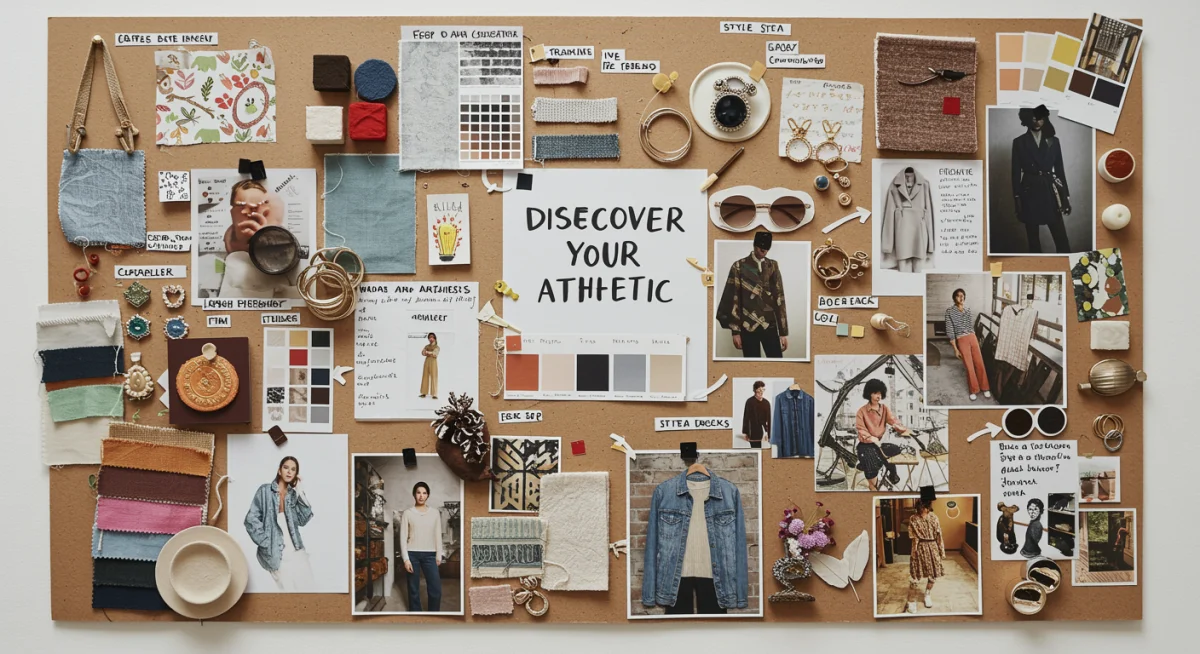
Now, synthesize all your findings into a tangible style mood board. This can be a physical board with cutouts and fabric swatches or a digital one using platforms like Pinterest. The key is to bring all your inspirations together in one place. As you curate this board, look for recurring themes, colors, textures, silhouettes, and overall moods. This visual blueprint will be your guiding star as you move forward to define personal style. Don’t just collect images; analyze them. Annotate your board with notes about why you like certain elements. This exercise is crucial for identifying your core style elements.
Step 2: Define Your Style Archetype and Signature Elements
With a clearer understanding of your internal preferences and a vast collection of visual inspiration, it’s time to distill these findings into a concrete style identity. This step helps you articulate your style, making it easier to make informed decisions and avoid impulse buys.
A. Identifying Your Style Archetype(s)
While every individual’s style is unique, recognizing common style archetypes can provide a useful framework. You might resonate with one primary archetype or a blend of two or three. Some popular archetypes include:
- Classic/Timeless: Emphasizes enduring pieces, clean lines, neutral colors, and high quality. Think Audrey Hepburn or Jackie Kennedy.
- Minimalist: Focuses on simplicity, functionality, monochromatic palettes, and understated elegance. Think Scandinavian style.
- Bohemian/Ethereal: Characterized by flowing fabrics, natural textures, earthy tones, artisanal details, and a relaxed, free-spirited vibe.
- Edgy/Rebellious: Features leather, bold hardware, dark colors, unconventional silhouettes, and a sense of defiance.
- Feminine/Romantic: Incorporates soft fabrics, floral prints, pastels, ruffles, lace, and flattering silhouettes.
- Sporty/Casual: Prioritizes comfort, practical activewear, athleisure elements, and a relaxed, dynamic aesthetic.
- Glamorous/Dramatic: Involves luxurious fabrics, statement pieces, bold colors, sparkle, and a desire to stand out.
- Arty/Creative: Expresses individuality through unique prints, unconventional layering, bold accessories, and a mix of textures and colors.
Review your mood board and self-reflection notes. Which archetypes best describe the overall feeling and aesthetic you’re drawn to? Don’t feel pressured to fit neatly into one box; most people are a unique blend.
B. Pinpointing Your Signature Elements
Beyond archetypes, every truly defined personal style has signature elements – specific details, colors, fabrics, or accessories that become hallmarks of your look. These are the recurring motifs that make your style distinctly yours.
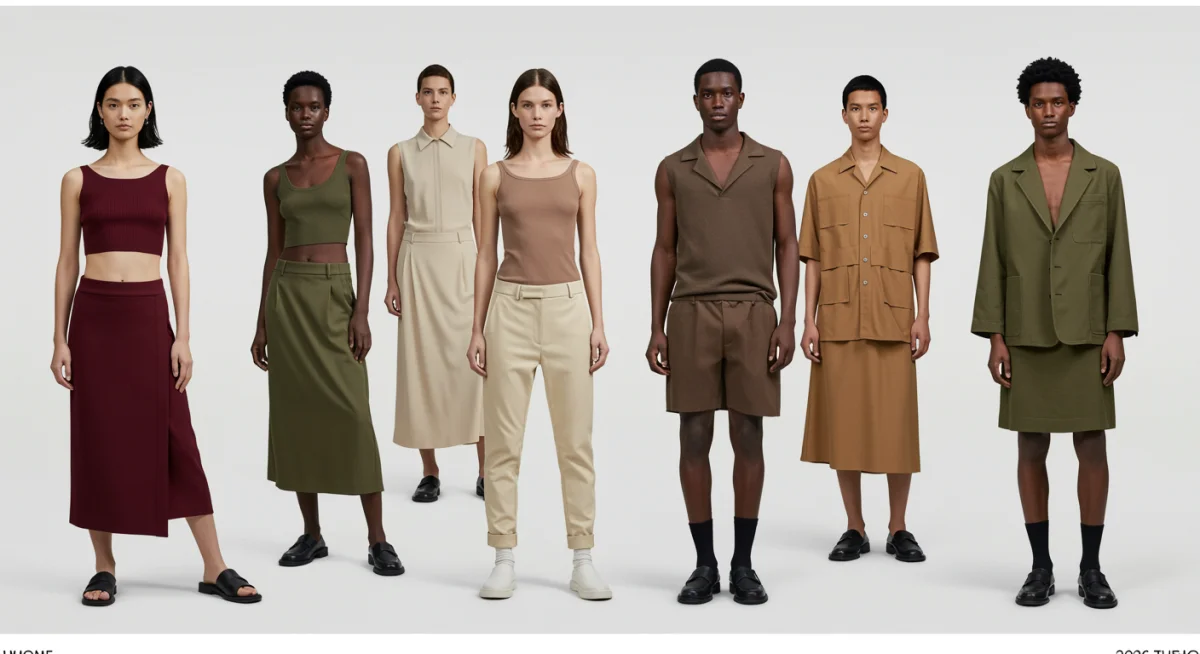
Color Palette: Based on your mood board and what colors you feel best in, identify your core color palette. This usually includes 3-5 neutral colors (black, white, grey, navy, beige, olive) and 2-3 accent colors that you love and that flatter your skin tone. Sticking to a cohesive color palette makes mixing and matching effortless.
Preferred Silhouettes: Do you gravitate towards oversized and relaxed fits, tailored and structured pieces, or flowing and draped garments? Understanding your preferred silhouettes for tops, bottoms, and outerwear is crucial for building a cohesive wardrobe.
Favorite Fabrics & Textures: Do you love the feel of silk, the comfort of cotton, the warmth of wool, or the texture of linen? What about leather, denim, or suede? Identifying your preferred materials will guide your shopping and ensure comfort.
Go-To Accessories: Are you a minimalist when it comes to jewelry, or do you love statement pieces? Do you have a signature handbag style, a particular type of shoe, or a favorite hat? Accessories can elevate an outfit and are key to expressing your unique flair.
Key Details: Pay attention to small details that consistently appear in your inspiration. Is it a specific collar style, a type of button, a particular print (stripes, polka dots, animal print), or an embroidery style? These details contribute significantly to your overall aesthetic.
Write down these signature elements. This list will be your personal style manifesto. Every time you consider a new purchase, you’ll cross-reference it with this list to ensure it aligns with your defined personal style.
Step 3: Curate Your Closet – Building a Cohesive Wardrobe
With your style archetype and signature elements clearly defined, it’s time to tackle your existing wardrobe. This step is about decluttering, organizing, and identifying gaps to create a functional and inspiring closet that truly reflects your defined personal style.
A. The Wardrobe Edit: Decluttering with Purpose
This is often the most daunting but ultimately most rewarding part. Take everything out of your closet. Yes, everything. Now, go through each item and ask yourself these critical questions:
- Does it fit? Be honest. If it doesn’t fit now, and you have no immediate plans to alter it, let it go.
- Is it in good condition? Check for holes, stains, pilling, or excessive wear. If it’s damaged beyond repair, it’s time to say goodbye.
- Does it align with my defined personal style and my signature elements? This is the most important question. Does it fit your color palette, preferred silhouettes, and overall aesthetic? If it feels ‘off’ or doesn’t resonate with your new style identity, it’s likely not going to be worn.
- Do I love it? This is the ‘spark joy’ test. If an item doesn’t make you feel good or excited to wear it, it doesn’t belong in your curated wardrobe.
- Have I worn it in the last year? If not, there’s usually a good reason. Unless it’s a special occasion item, consider letting it go.
Categorize items into three piles: ‘Keep,’ ‘Donate/Sell,’ and ‘Discard.’ Be ruthless but also forgiving. It’s okay to let go of sentimental items that no longer serve your present style. The goal is to create space for what truly belongs.
B. Organizing for Clarity and Efficiency
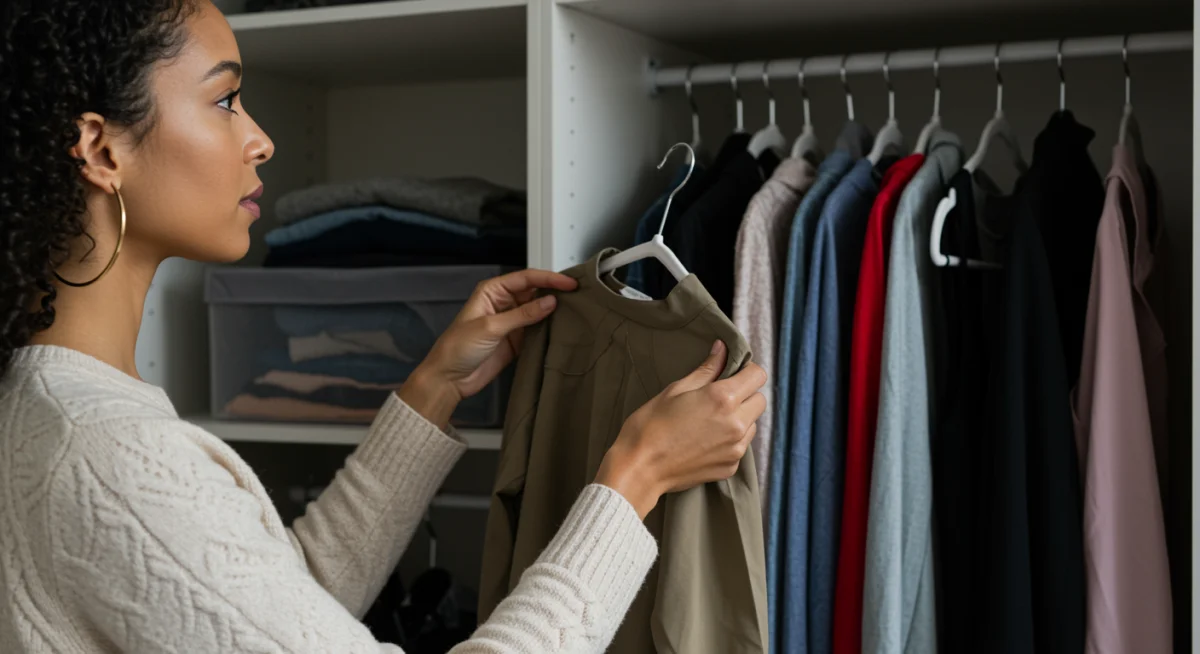
Once you’ve decluttered, organize your ‘Keep’ pile. Group similar items together (e.g., all tops, all pants, all dresses). Consider organizing by color within categories. This not only makes it easier to find things but also helps you visualize your wardrobe and identify potential outfit combinations. Invest in good hangers, drawers, and storage solutions to keep everything neat and accessible. A well-organized closet is an inspiring closet.
C. Identifying Wardrobe Gaps and Building a Wishlist
After editing and organizing, you’ll have a much clearer picture of what you own and what you truly need. This is where you identify your ‘wardrobe gaps’ – essential pieces that would complete outfits or serve specific lifestyle needs but are currently missing. Don’t just think about individual items; think about outfits. What pieces would help you create more versatile looks? What basic staples are you lacking?
Create a detailed wishlist based on these gaps. Be specific: ‘a classic black blazer,’ ‘well-fitting dark wash jeans,’ ‘a versatile white button-down shirt,’ ‘comfortable and stylish sneakers.’ This wishlist will be your strategic shopping guide, preventing aimless browsing and impulse purchases.
Step 4: Shop with Intention – Reducing Impulse Buys by 20% in 2026
This final step is where all your hard work comes to fruition. Armed with your defined personal style, your curated closet, and your strategic wishlist, you are now equipped to become a truly intentional shopper, significantly reducing impulse buys and building a wardrobe that serves you for years to come.
A. The Power of the Wishlist: Your Shopping Compass
Your wishlist is your most powerful tool against impulse buys. Before making any purchase, refer to it. Does the item you’re considering align with something on your list? If not, pause. If it’s not on the list, does it so perfectly embody your defined personal style and fill an unexpected, yet essential, gap that it warrants an exception? These exceptions should be rare and carefully considered.
Delay Gratification: If you see something you like that’s not on your list, don’t buy it immediately. Save the link, take a photo, and give yourself 24-48 hours to think about it. Often, the initial excitement fades, and you realize you don’t truly need or want it.
Quality Over Quantity: Focus on investing in fewer, higher-quality pieces that align with your style and will last longer. These pieces often have better craftsmanship, materials, and fit, making them more enjoyable to wear and more sustainable in the long run. Consider the cost-per-wear rather than just the initial price tag.
B. Strategic Shopping Practices
Research Before You Buy: For wishlist items, research brands, read reviews, and compare prices. Look for pieces that are made from durable materials and have timeless designs that won’t go out of style quickly.
Try Before You Buy (Mentally or Physically): When considering an item, visualize how it will integrate into your existing wardrobe. Can you create at least three different outfits with it using items you already own? If shopping in-store, try it on with pieces that mimic what you have at home. Don’t buy something just because it looks good on the hanger.
Understand Your Body Shape: Knowing what silhouettes and cuts flatter your body shape will save you from buying ill-fitting clothes that end up unworn. This knowledge is an integral part of defining personal style.
Avoid Sales Traps: Sales can be tempting, but they are notorious for triggering impulse buys. Stick to your wishlist. If a wishlist item is on sale, great! If not, resist the urge to buy something just because it’s discounted.
Shop Secondhand & Vintage: These options are excellent for finding unique pieces that often have better quality and are more sustainable. They also allow you to develop a more distinctive style without supporting fast fashion cycles.
C. Tracking Progress: Achieving that 20% Reduction
To truly measure your success in reducing impulse buys, consider tracking your purchases. Keep a simple log or spreadsheet. Note down what you buy, whether it was on your wishlist, and if it was an impulse purchase. Review this periodically. You’ll likely see a positive trend as you become more mindful. Set a realistic goal for 2026 – our aim is a 20% reduction, which is significant and achievable. Celebrate your successes and learn from any slips. This self-awareness is key to long-term change.
Maintaining Your Defined Personal Style and Smart Shopping Habits
Defining your personal style isn’t a one-and-done event; it’s an evolving process. As you grow and change, so too might your aesthetic. Regularly revisit your mood board, reassess your signature elements, and conduct mini-wardrobe edits. This ensures your style remains authentic and relevant to your current self and lifestyle.
Stay curious and open to new inspiration, but always filter it through your established style framework. Remember, trends can be inspiring, but they should never dictate your entire wardrobe. Instead, pick and choose elements that genuinely enhance your defined personal style.
Embrace the journey of self-discovery through fashion. By following this 4-step framework – Introspection & Inspiration, Defining Archetypes & Signature Elements, Curating Your Closet, and Shopping with Intention – you will not only define personal style but also cultivate a wardrobe that empowers you, reflects your true self, and makes smart, sustainable shopping an effortless habit. The result will be a more confident, stylish, and intentional you, ready to conquer 2026 and beyond with a wardrobe that truly works for you, and a significantly reduced number of impulse buys.
This holistic approach to fashion will save you money, reduce decision fatigue, and contribute to a more sustainable lifestyle. It’s about building a wardrobe that tells your story, rather than just housing clothes. Start today, and watch your personal style flourish while your shopping habits become smarter and more satisfying.