Beyond the Basics: 4 Advanced Eyeshadow Techniques for Any Occasion
Mastering advanced eyeshadow techniques like halo eyes, cut crease, graphic liner, and smoked out lower lash line can dramatically elevate your makeup artistry, allowing for versatile and captivating looks suitable for any event.
Are you ready to move past simple shadow applications and truly transform your eye makeup? This guide will take you beyond the basics: 4 advanced eyeshadow techniques to elevate your look for any occasion, ensuring your eyes become the captivating focal point of your entire appearance. From subtle enhancements to dramatic statements, these techniques will empower you to express your unique style with confidence and flair.
Mastering the Alluring Halo Eye Technique
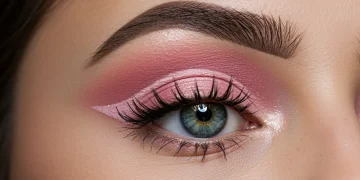
The halo eye technique, often referred to as a ‘spotlight eye,’ creates a mesmerizing, three-dimensional effect that makes your eyes appear larger and more open. It involves placing a lighter, often shimmery, shade in the center of the eyelid, framed by darker shades on the inner and outer corners. This contrast mimics a spotlight, drawing attention directly to the center of your eye.
Achieving a seamless halo effect requires careful color selection and precise blending. The key is to ensure a smooth gradient between the dark and light shades, avoiding harsh lines. This technique is incredibly versatile, suitable for both everyday wear with muted tones and glamorous evenings with bold, metallic hues. It’s a fantastic way to add depth and dimension to your eye makeup without being overly complicated.
Choosing Your Halo Eye Colors
Selecting the right color palette is crucial for a stunning halo eye. Consider the occasion and your desired intensity. For a softer look, opt for complementary matte shades in the inner and outer corners, paired with a subtle shimmer in the center. For a more dramatic effect, experiment with contrasting dark mattes and vibrant metallics.
- Inner/Outer Corner Shades: Choose two darker shades from the same color family, or complementary colors, to create depth.
- Center Lid Shade: A lighter, often shimmery or metallic, shade that contrasts with the darker tones.
- Transition Shade: A neutral matte shade to blend out the edges and ensure a seamless transition.
Step-by-Step Halo Eye Application
Begin by applying an eyeshadow primer to ensure longevity and vibrant color payoff. Next, use a fluffy blending brush to apply your transition shade slightly above your crease. Then, with a denser brush, pack the darker shades onto the inner and outer thirds of your eyelid, building up the intensity gradually. Remember to leave the center of your lid bare for the lighter shade.
Once the darker shades are in place, use a clean blending brush to soften any harsh edges, blending the colors seamlessly into the transition shade. Finally, with a flat brush or your fingertip, apply the chosen shimmery or metallic shade directly to the center of your eyelid. Gently blend the edges of the shimmer into the darker shades to create that captivating halo effect. Finish with eyeliner and mascara for a complete look.
The halo eye technique offers a beautiful way to enhance your eyes, providing a sophisticated and polished finish. With practice, you’ll be able to create stunning looks that are sure to turn heads, whether you’re attending a casual brunch or a formal event.
The Precision of a Flawless Cut Crease
The cut crease is a highly sought-after advanced eyeshadow technique that involves sharply defining the crease of the eyelid by ‘cutting’ through a darker, blended shade with a lighter, often brighter, concealer or eyeshadow. This creates a distinct, crisp line that separates the lid from the crease, offering a dramatic and eye-opening effect. It’s a technique that demands precision but delivers unparalleled impact, making the eyes appear larger and more striking.
While it may seem intimidating at first, mastering the cut crease is incredibly rewarding. It allows for a vast range of creative expressions, from subtle, soft cut creases for daytime wear to bold, graphic interpretations for high-fashion statements. The contrast between the blended crease and the sharp lid color is what gives this technique its signature allure, highlighting the natural contours of the eye in a powerful way.
Building the Perfect Crease Base
Before ‘cutting’ the crease, you need to establish a well-blended base in your crease and outer V. Begin with a neutral transition shade, blending it into your crease and slightly above. Then, apply a darker matte shade to the outer V and into the crease, building up the intensity and blending it seamlessly. The goal is to create a soft, diffused gradient that will contrast beautifully with the sharp cut crease.
- Transition Shade: A light to medium matte brown, applied with a fluffy brush.
- Crease Defining Shade: A deeper matte brown or a color that complements your lid shade, applied with a slightly denser brush.
- Outer V Definition: The darkest matte shade, concentrated on the outer corner and blended inwards.
Executing the Sharp Cut
The most critical step in a cut crease is the actual ‘cutting.’ Take a small, flat brush and a full-coverage concealer or a cream eyeshadow that is lighter than your skin tone. Look straight into a mirror and apply a small amount of product to the center of your lid, just below where your natural crease folds. Then, gently look up to transfer a guide mark onto your upper lid. Use this mark to draw a crisp, clean line along your crease, extending it from the inner corner to the outer corner of your eye.
Carefully fill in the area below this line with the same concealer or cream product, creating a smooth, even base. You can then set this base with a light, shimmery, or matte eyeshadow, depending on your desired look. The contrast between the sharp, light lid and the blended, darker crease is what defines this technique. Practice is key to achieving a perfectly sharp line, so don’t be discouraged if it takes a few tries.
The cut crease is an advanced technique that, once mastered, opens up a world of creative possibilities for eye makeup. It’s perfect for special occasions where you want your eyes to truly stand out, offering a sophisticated and artistic touch to your overall look.
The Bold Statement of Graphic Liner
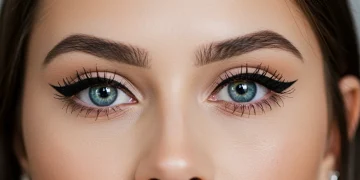
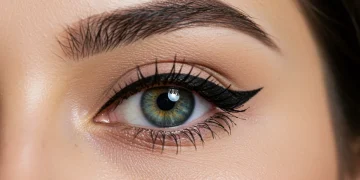
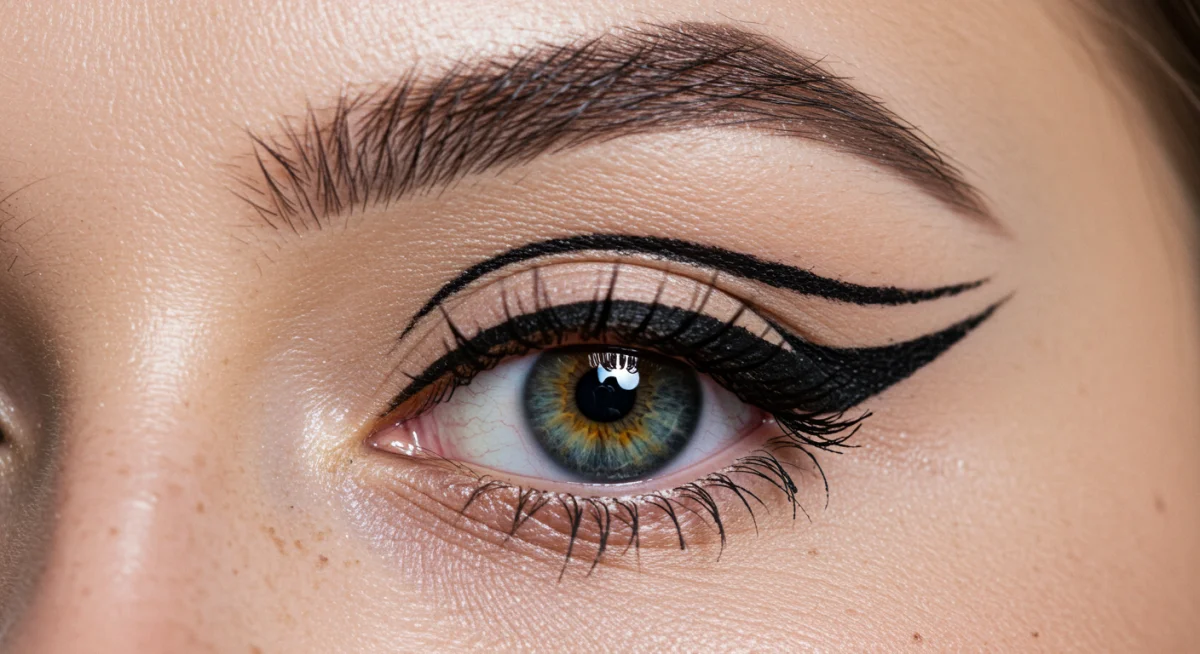
Graphic liner goes beyond the traditional winged eyeliner, transforming the humble line into an artistic expression. Instead of merely defining the lash line, graphic liner explores abstract shapes, floating lines, and negative space to create avant-garde and captivating eye designs. This technique is for those who dare to be different, using their eyes as a canvas for bold, modern artistry. It’s a powerful way to make a statement without saying a word, showcasing creativity and a keen sense of style.
While it might seem daunting, graphic liner is incredibly versatile and can be adapted to various levels of intensity. From subtle double wings to intricate geometric patterns, the possibilities are endless. The key is to approach it with an experimental mindset and embrace the freedom of artistic expression. It’s a fantastic way to add a unique and contemporary touch to any makeup look, perfect for fashion-forward individuals.
Tools and Inspiration for Graphic Liner
For graphic liner, precision is paramount. You’ll need a liquid eyeliner with a fine brush or felt tip, or a gel liner applied with a thin, angled brush. The choice of color is also important; while black is classic, experimenting with vibrant hues or even white can create stunning effects. Look for inspiration from art, fashion runways, or even architectural designs to spark your creativity.
- Fine-Tip Liquid Liner: Essential for sharp lines and intricate details.
- Gel Liner with Angled Brush: Offers more control and versatility for different line thicknesses.
- White Liner: Can be used to create negative space effects or to make colors pop.
Designing Your Graphic Liner Look
Start with a clean, primed eyelid. Sketch out your desired design lightly with an eyeshadow pencil or a light-colored liner before going in with your chosen liquid or gel product. Common graphic liner techniques include floating creases (a line drawn above the natural crease), double wings (an additional line parallel to the main wing), or geometric shapes around the eye. Don’t be afraid to combine elements or create entirely new patterns.
Patience and a steady hand are your best friends when applying graphic liner. Work in small, controlled strokes, allowing each section to dry slightly before moving on. If you make a mistake, a cotton swab dipped in micellar water or makeup remover can help clean up edges without disturbing the rest of your makeup. Remember, graphic liner is about pushing boundaries and having fun with your look.
Graphic liner is a fantastic way to add an artistic and edgy touch to your makeup. It’s a technique that encourages creativity and self-expression, allowing you to craft truly unique and memorable eye looks for any occasion where you want to stand out.
The Smoky Allure of a Smoked Out Lower Lash Line
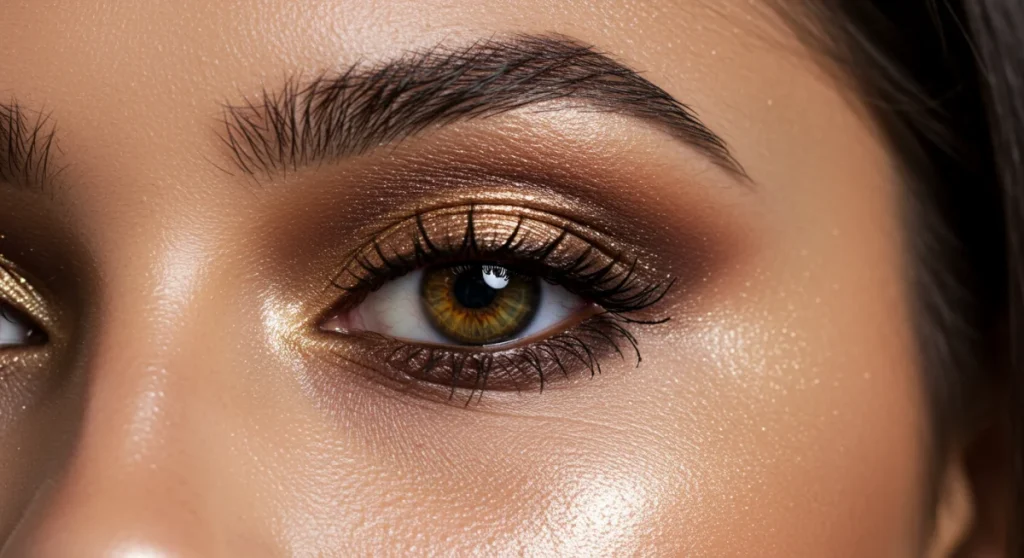
Often overlooked, the lower lash line offers a powerful opportunity to enhance and define your eyes. The smoked out lower lash line technique involves applying eyeshadow along the lower lash line and then softly blending it out to create a smoky, diffused effect. This technique adds depth, intensity, and a touch of sultry mystery to any eye look, balancing the upper lid makeup and creating a more cohesive, polished appearance. It’s a subtle yet impactful way to elevate your overall eye makeup.
Unlike a harsh line, a smoked out lower lash line softens the gaze while still providing definition. It can dramatically change the perception of your eye shape, making smaller eyes appear larger or adding a seductive allure to larger eyes. This technique works beautifully with a variety of eyeshadow colors, from classic blacks and browns to more adventurous blues and purples, allowing for endless customization.
Selecting Your Smudge-Proof Products
For a long-lasting smoked out lower lash line, product selection is key. Opt for highly pigmented, long-wearing eyeshadows or an eyeliner pencil that is soft enough to smudge but sets to be budge-proof. Waterproof formulas are particularly beneficial for preventing smudging throughout the day or night. A small, dense pencil brush or a flat, angled brush will be ideal for precise application and blending.
- Eyeliner Pencil: A soft, creamy pencil that can be easily smudged before it sets.
- Eyeshadow: A matte or satin finish eyeshadow in a complementary dark shade.
- Small Blending Brush: A pencil brush or a small, flat brush for precise blending.
Executing the Smoked Out Effect
Begin by applying a kohl or gel eyeliner pencil directly to your lower waterline and along your lower lash line. Don’t worry about perfection at this stage, as you’ll be smudging it out. Immediately after applying, take your small blending brush and gently smudge the liner downwards and outwards, creating a soft, diffused line. Work quickly, as some liners set fast.
Next, take a small amount of eyeshadow in a similar or slightly darker shade than your liner and lightly press it over the smudged liner. This helps to set the liner and intensify the smoky effect. Continue to blend the eyeshadow outwards and downwards, ensuring there are no harsh lines. For an even smokier look, you can add a lighter transition shade below the darker shadow, blending it further down. Finish with a generous coat of mascara on your lower lashes to complete the look.
The smoked out lower lash line is a sophisticated technique that adds significant impact to your eye makeup. It’s a beautiful way to create balance and depth, making your eyes appear more defined and alluring for any event, from a casual outing to a glamorous evening.
The Art of Layering and Blending for Depth
Beyond individual techniques, the true mastery of advanced eyeshadow application lies in the art of layering and blending. These two fundamental principles are the backbone of any sophisticated eye look, transforming flat color into a rich, multi-dimensional masterpiece. Layering involves building up color intensity with multiple shades, while blending ensures seamless transitions between them, creating a harmonious and professional finish. Without proper layering and blending, even the most advanced techniques can fall flat.
Understanding how to effectively layer and blend allows you to manipulate light and shadow, creating illusions of depth, enhancing eye shape, and achieving a polished, high-end aesthetic. It’s about more than just applying color; it’s about understanding how colors interact and how to create smooth gradients that captivate the eye. This foundational skill is crucial for elevating all your eyeshadow endeavors, from simple everyday looks to intricate artistic creations.
Strategic Layering for Intensity
Layering eyeshadow isn’t just about piling on color; it’s about strategically building intensity and dimension. Start with lighter, more neutral shades as your base and transition colors, gradually introducing darker or more vibrant hues. Each layer should be applied thinly and blended before the next is added. This approach prevents patchiness and allows for greater control over the depth of color.
- Base Layer: A neutral, matte shade all over the lid to create an even canvas.
- Transition Layer: A slightly darker shade in the crease to begin building depth.
- Defining Layer: Darker shades applied to the outer V or specific areas for intense color.
- Highlight Layer: Shimmer or light matte shades on the inner corner or brow bone to brighten.
Seamless Blending Techniques
Blending is arguably the most crucial step in achieving a professional eyeshadow look. It requires patience and the right tools. Use clean, fluffy blending brushes to diffuse the edges of your eyeshadows, ensuring there are no harsh lines between colors. Work in small, circular motions, gradually softening the edges and merging one shade into the next. Remember, it’s always easier to add more product than to take it away, so blend gradually.
For a truly seamless blend, use a clean brush to go over the edges of your applied eyeshadows. This helps to further soften and integrate the colors. Pay particular attention to the area where your eyeshadow meets your skin, ensuring a natural transition. Different brush types are designed for different blending tasks; a large fluffy brush for overall blending, a smaller tapered brush for crease work, and a pencil brush for detailed smudging. Mastering these blending techniques will elevate your entire eyeshadow game.
By perfecting the art of layering and blending, you unlock the full potential of your eyeshadow palette. These techniques ensure that your advanced looks, whether it’s a halo eye or a cut crease, appear polished, professional, and effortlessly stunning, making your eyes truly pop with sophisticated depth.
Choosing the Right Tools and Products
The success of any advanced eyeshadow technique hinges significantly on the quality of your tools and products. While skill is paramount, attempting intricate looks with subpar brushes or patchy eyeshadows can be incredibly frustrating and yield disappointing results. Investing in a good set of brushes and highly pigmented, blendable eyeshadows is not merely a luxury; it’s a fundamental step towards mastering complex eye makeup looks and achieving a professional finish. The right tools empower you to execute precise applications and seamless blends, turning challenging techniques into enjoyable creative processes.
Understanding the function of various brushes and the characteristics of different eyeshadow formulas will dramatically improve your application. From densely packed brushes for packing on color to fluffy brushes for diffusing edges, each tool plays a specific role in bringing your vision to life. Similarly, knowing which eyeshadow formulas work best for specific techniques, such as creamy mattes for blending or intense shimmers for spotlight effects, is essential for optimal results.
Essential Brushes for Advanced Techniques
A diverse brush collection is indispensable for advanced eyeshadow artistry. Each brush type serves a unique purpose, contributing to the overall precision and blend of your look. For instance, a small, flat brush is perfect for cutting a crease, while a fluffy dome brush excels at diffusing transition shades. Investing in brushes made with quality synthetic or natural fibers ensures better product pickup and smoother application.
- Flat Shader Brush: Ideal for packing on color onto the eyelid with maximum intensity.
- Fluffy Blending Brush: Essential for diffusing harsh lines and blending transition shades.
- Pencil Brush: Perfect for precise application and smudging along the lower lash line or outer V.
- Small Angled Brush: Great for graphic liner or creating sharp lines with gel or cream products.
High-Performance Eyeshadow Formulas
The type of eyeshadow formula you use can greatly impact the outcome of your advanced techniques. Matte shadows are crucial for building depth and creating a seamless blend in the crease and outer V. Shimmer or metallic shadows are perfect for adding a pop of light to the center of the lid in a halo eye or for highlighting the brow bone. Cream eyeshadows or concealers are often used for creating a sharp cut crease base due to their opacity and blendability before setting.
Look for formulas that are highly pigmented, easily blendable, and have minimal fallout. A good eyeshadow primer is also a non-negotiable step, as it creates a smooth canvas, intensifies color, and significantly extends the wear time of your eye makeup. By selecting the right tools and high-performance products, you set yourself up for success in mastering any advanced eyeshadow technique, ensuring your efforts result in stunning, long-lasting looks.
Ultimately, the synergy between quality tools and superior products is what propels your eyeshadow skills from basic to advanced. With the right arsenal, you’ll find that executing intricate techniques becomes not only achievable but also a truly enjoyable and creative process, leading to consistently polished and captivating eye looks.
Troubleshooting Common Eyeshadow Challenges
Even with advanced techniques, facing common eyeshadow challenges is part of the learning curve. Issues like patchy application, muddy blending, or fallout can be frustrating, but they are often easily remedied with a few adjustments in technique or product choice. Understanding how to troubleshoot these problems is key to honing your skills and consistently achieving flawless results, transforming potential setbacks into opportunities for improvement.
Addressing these challenges proactively will not only save you time and product but also build your confidence in tackling more complex looks. It’s about recognizing the signs of an impending issue and knowing the precise steps to correct it, ensuring that your advanced eyeshadow creations always look polished and intentional. Learning from these common pitfalls is an integral part of evolving your makeup artistry.
Preventing Patchy Application and Fallout
Patchy eyeshadow often results from insufficient primer, applying too much product at once, or using brushes that aren’t picking up or distributing color evenly. To prevent this, always start with a thin layer of eyeshadow primer. When applying eyeshadow, tap off excess product from your brush and build up color gradually with light, pressing motions rather than harsh swipes. For fallout, especially with shimmery or glitter shadows, apply them before your face makeup, or use a sticky base like glitter glue to adhere them firmly.
- Primer First: Always use an eyeshadow primer for an even base.
- Tap Off Excess: Prevents excess product from creating patches or fallout.
- Press, Don’t Swipe: Gently press shadows onto the lid for better adherence and intensity.
- Bake Under Eyes: Apply a thick layer of translucent powder under the eyes to catch fallout, then brush away.
Achieving Seamless Blending and Color Harmony
Muddy blending occurs when colors are over-blended or when too many similar shades are used without proper transition. To achieve seamless blending, use clean brushes for each shade, and blend in small, circular motions, focusing on the edges where colors meet. If colors start to look muddy, try using a clean, fluffy brush to diffuse the area or apply a neutral, skin-toned shadow over the muddied section to soften it. For color harmony, select shades that complement each other or belong to the same color family, and always use a transition shade between darker and lighter colors to bridge the gap smoothly.
Remember that practice makes perfect. Experiment with different blending techniques, brush types, and eyeshadow formulas to find what works best for you. Don’t be afraid to make mistakes; they are valuable learning opportunities. By actively troubleshooting these common issues, you’ll refine your technique, gain greater control over your application, and consistently create advanced eyeshadow looks that are truly captivating and professional.
| Technique | Key Benefit |
|---|---|
| Halo Eye | Creates a 3D, spotlight effect, making eyes appear larger. |
| Cut Crease | Provides sharp definition, enhancing eye shape with dramatic contrast. |
| Graphic Liner | Offers artistic expression with bold, creative lines and shapes. |
| Smoked Out Lower Lash Line | Adds depth and sultry definition to the lower eye area. |
Frequently Asked Questions About Advanced Eyeshadow
Many find the cut crease to be the most challenging due to the precision required for a sharp, clean line. Graphic liner can also be difficult, depending on the complexity of the design. Both require a steady hand and practice.
Absolutely! The halo eye can be subtle with neutral tones. A soft cut crease with muted colors works well. Graphic liner can be a simple double wing. The smoked out lower lash line can be achieved with a light brown shadow for a softer look.
Key tools include a variety of blending brushes (fluffy, tapered, pencil), a flat shader brush, a fine-tip liquid eyeliner, and a good eyeshadow primer. Quality brushes make a significant difference in precision and blend.
To prevent fallout, apply shimmery or glittery shadows before your face makeup. You can also use a glitter glue or a sticky base to help the shimmer adhere better. Tapping off excess product from your brush is also crucial.
Use clean, fluffy blending brushes and work in small, circular motions. Build color gradually, blending each layer before adding the next. A clean brush can also be used to soften any harsh edges for a truly seamless transition.
Conclusion
Venturing beyond basic eyeshadow application opens up a world of creative possibilities, allowing you to truly express your personal style and elevate your overall makeup game. By mastering techniques like the halo eye, cut crease, graphic liner, and smoked out lower lash line, you gain the confidence and skill to craft captivating looks for any occasion. Remember that practice, patience, and the right tools are your greatest allies on this journey. Embrace experimentation, learn from every application, and enjoy the transformative power of advanced eyeshadow techniques to make your eyes truly shine.