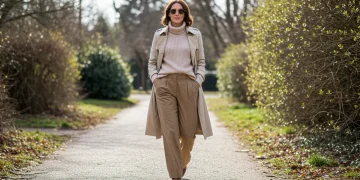
Seasonal Style Refresh: Spring-Summer 2026 Wardrobe Transition
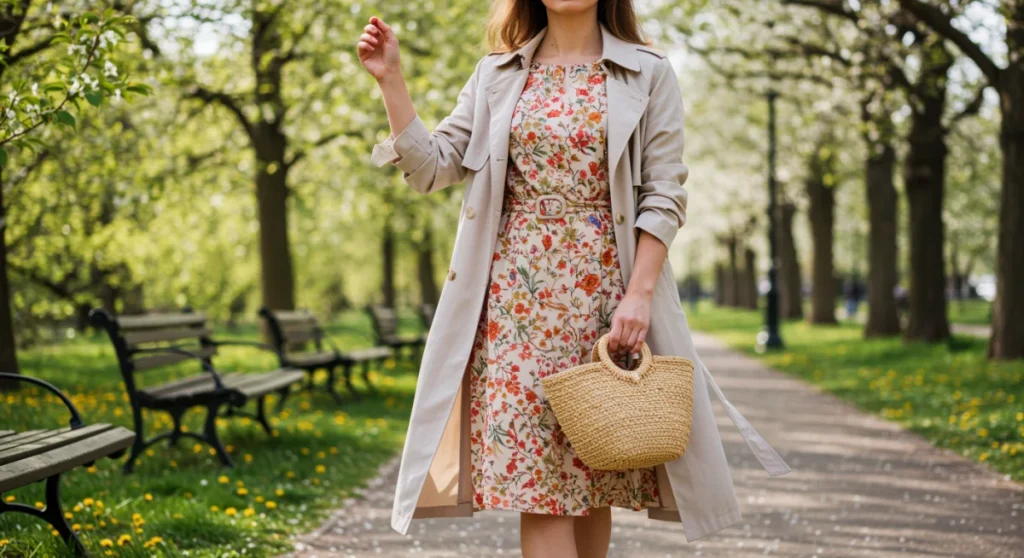
Achieving a seasonal style refresh from spring to summer 2026 involves a strategic 3-month plan that prioritizes maximizing existing wardrobe pieces while thoughtfully integrating new trends for a seamless and updated look.
As the days grow longer and the temperatures rise, the anticipation of a new season brings with it an exciting opportunity to revitalize your personal aesthetic. The seasonal style refresh from spring to summer 2026 isn’t just about buying new clothes; it’s about a thoughtful, strategic approach to transforming your wardrobe, ensuring you maximize every existing piece while seamlessly integrating fresh trends. This comprehensive 3-month plan will guide you through decluttering, re-envisioning, and updating your look, making sure you step into summer with confidence and style. We aim to help you navigate this transition with practical advice, ensuring your fashion choices are both chic and sustainable.
Understanding the Spring to Summer Transition
The shift from spring to summer is more than just a calendar change; it’s a fundamental wardrobe evolution. Spring often calls for layers, lighter jackets, and transitional fabrics, while summer demands breathability, vibrant colors, and minimal fuss. Recognizing these differences is the first step in a successful seasonal style refresh. It’s about slowly shedding the heavier elements and embracing the lightness and vibrancy that summer embodies, all while ensuring your existing pieces get a second life.
This period allows for a creative blend of styles, where spring’s pastels can meet summer’s bold hues, and lightweight knits can be paired with breezy linens. The goal is to avoid a complete overhaul and instead focus on smart adjustments and thoughtful additions that bridge the gap between the seasons. By understanding the core needs of each season, you can make informed decisions about what to keep, what to store, and what to acquire, ensuring your wardrobe remains functional and fashionable.
Key Differences in Seasonal Wardrobe Needs
- Fabric Focus: Spring often utilizes cotton blends, light wools, and denim, whereas summer leans heavily into linen, rayon, silk, and breathable cottons.
- Layering Strategy: Spring relies on versatile layering pieces like cardigans, light jackets, and scarves. Summer minimizes layers, focusing on standalone pieces that offer comfort in heat.
- Color Palette: Spring often features soft pastels, muted tones, and subtle prints. Summer embraces brighter, bolder colors, tropical prints, and often crisp whites.
- Footwear and Accessories: Boots and closed-toe shoes are common in spring, transitioning to sandals, espadrilles, and open-toe options for summer, alongside straw bags and statement jewelry.
The essence of this transition lies in adaptability. Your existing wardrobe holds immense potential for this seasonal shift. By identifying pieces that can serve multiple purposes across both seasons, you can streamline your refresh process. This understanding forms the foundation of a sustainable approach to fashion, reducing the need for constant new purchases and fostering a deeper appreciation for your current collection.
Month 1: The Spring Declutter and Reassessment
The first month of your seasonal style refresh plan focuses on a thorough decluttering and reassessment of your current spring wardrobe. This isn’t just about throwing things out; it’s about understanding what you have, what you love, and what truly serves your style. Begin by pulling everything out, creating a blank canvas in your closet. This visual exercise often reveals hidden gems and forgotten pieces that can be reincorporated with a fresh perspective.
Once everything is out, categorize your items. Create piles for ‘keep,’ ‘store,’ ‘donate/sell,’ and ‘mend/alter.’ Be honest with yourself about each item’s relevance, fit, and condition. A good rule of thumb: if you haven’t worn it in a year, or if it doesn’t make you feel good, it’s likely time to let it go. This initial purge is crucial for making space, both physically and mentally, for your summer style evolution.
The Art of Wardrobe Editing
Editing your wardrobe effectively means asking critical questions about each piece. Does it fit? Is it comfortable? Does it align with your personal style? Does it have versatility? The goal is to curate a collection of items that you genuinely love and that work hard for you. Consider the fabric, cut, and color of each garment. Can a spring dress be styled for summer with different accessories? Can a lightweight spring sweater be worn on cooler summer evenings?
Focus on foundational pieces that can easily transition. A classic pair of denim jeans, a versatile white shirt, and a neutral-colored skirt are excellent examples. These items serve as anchors, around which you can build various seasonal looks. Documenting what you have through a simple inventory can also be incredibly helpful. This provides a clear overview of your current assets and highlights any gaps that might need addressing in the coming months.
Remember, the aim is not an empty closet, but a curated one. Every item should earn its place. This thoughtful decluttering process sets the stage for a more intentional and stylish summer wardrobe, making your seasonal style refresh a truly rewarding experience.
Month 2: Strategic Summer Integration and Key Purchases
With a streamlined spring wardrobe, month two of your seasonal style refresh shifts to strategically integrating summer pieces and making thoughtful new purchases. This phase is about filling genuine gaps and adding items that will elevate your existing collection, rather than simply accumulating more clothes. Start by identifying what’s missing to create complete summer outfits based on your spring staples.
Think about versatile garments that can be mixed and matched, creating multiple looks with fewer items. Lightweight fabrics, vibrant patterns, and comfortable silhouettes should be prioritized. Instead of buying impulse items, focus on pieces that align with your personal aesthetic and can withstand the test of time, both in terms of quality and style. This approach ensures your wardrobe remains cohesive and sustainable.
Curating Your Summer Capsule
Creating a capsule wardrobe is an excellent strategy during this phase. A capsule consists of a limited number of interchangeable clothing items that complement each other. This often includes:
- Breathable Tops: Linen shirts, cotton tanks, and breezy blouses.
- Versatile Bottoms: Lightweight trousers, denim shorts, and flowy skirts.
- Transitional Dresses: Sundresses that can be dressed up or down.
- Essential Outerwear: A light denim jacket or a utility jacket for cooler evenings.
- Key Accessories: Straw hats, sunglasses, and comfortable sandals.
When making new purchases, consider your existing color palette. Do the new items harmonize with what you already own? Opt for colors that complement your skin tone and can be easily mixed with your current spring pieces. Shopping for quality over quantity is paramount here. A few well-chosen items will serve you better than a closet full of fleeting trends. This meticulous approach to integration ensures your seasonal style refresh is both practical and fashionable, leading to a wardrobe that feels fresh and exciting.
Month 3: Styling, Accessorizing, and Personalizing for Summer
The final month of your seasonal style refresh is all about bringing your newly curated wardrobe to life through styling, accessorizing, and personalization. This is where your individual creativity truly shines, transforming foundational pieces into unique summer ensembles. Experiment with different combinations of your spring and new summer items, discovering fresh ways to wear what you already own.
Accessories play a pivotal role in this stage. They can completely alter the feel of an outfit, taking it from day to night or casual to chic. Think about how a statement necklace, a colorful scarf, or a pair of espadrilles can redefine a simple dress or a classic top and shorts combination. This is also the time to explore new styling techniques, such as knotting shirts, cuffing sleeves, or layering delicate jewelry to add depth and interest to your looks.
Accessorizing for Impact
- Jewelry: Opt for lighter, brighter pieces like shell earrings, beaded necklaces, or delicate gold chains.
- Bags: Transition from structured leather bags to straw totes, canvas crossbodies, or woven clutches.
- Footwear: Embrace sandals, slides, espadrilles, and lightweight sneakers.
- Headwear: Wide-brimmed hats, scarves, and bandanas not only protect from the sun but also add a stylish touch.
- Belts: Use woven or light leather belts to define waists or add a pop of color to flowy garments.
Personalization goes beyond just accessories; it’s about infusing your unique personality into each outfit. Consider incorporating vintage finds, custom pieces, or items that hold sentimental value. These elements make your style distinctly yours and prevent your wardrobe from feeling generic. Don’t be afraid to mix patterns, textures, and styles in unexpected ways. The goal is to create looks that make you feel confident, comfortable, and authentically you. This final stage of the seasonal style refresh solidifies your summer style, making it both functional and expressive.
Maximizing Existing Pieces: The Art of Versatility
A cornerstone of a successful seasonal style refresh is mastering the art of versatility with your existing pieces. This not only makes your wardrobe more sustainable but also encourages creativity and prevents the need for constant new purchases. Many garments you already own can easily transition between seasons with minor adjustments or different styling. The key is to look beyond their obvious use and envision multiple possibilities.
Consider items like a classic white button-down shirt. In spring, it might be layered under a sweater or worn with jeans. In summer, it can be unbuttoned over a swimsuit as a cover-up, tied at the waist with high-waisted shorts, or worn open over a tank top. Similarly, a midi skirt can be paired with boots and a light knit for spring, and then with sandals and a camisole for summer. This mindset transforms your closet into a dynamic collection, full of potential outfits.
Transformative Styling Techniques
To truly maximize your existing pieces, consider these transformative styling techniques:
- Layering: Use light layers that can be added or removed as temperatures fluctuate. A denim jacket over a sundress or a linen blazer over a tank top can extend the wear of both pieces.
- Accessorizing: As mentioned, accessories are powerful. A simple dress can be dramatically changed with different shoes, bags, and jewelry.
- Color Blocking: Combine existing pieces in new color combinations to create fresh, modern looks without buying new items.
- Mixing Textures: Pair a silk top with linen trousers, or a cotton skirt with a crochet knit for visual interest.
- Re-purposing: Can a scarf be a top? Can a dress be a skirt with a sweater layered over it? Think outside the box.
By embracing these strategies, you’ll discover that your current wardrobe holds far more potential than you might have imagined. This focus on versatility not only makes your seasonal style refresh more economical but also more environmentally friendly, aligning with conscious consumption practices. It’s about working smarter, not harder, to achieve a stylish and functional wardrobe for the warmer months.
Sustainable Fashion Practices in Your Refresh
Integrating sustainable fashion practices into your seasonal style refresh is not just a trend; it’s a responsible and impactful way to update your wardrobe. The fashion industry has a significant environmental footprint, and by making conscious choices, you can contribute to a more sustainable future. This plan emphasizes maximizing existing pieces and thoughtful consumption, which are core tenets of sustainable fashion.
Beyond decluttering and re-wearing, consider where your new purchases come from. Opt for brands that prioritize ethical production, use eco-friendly materials, or offer transparent supply chains. Shopping secondhand, whether through thrift stores, consignment shops, or online platforms, is another excellent way to acquire new-to-you pieces without contributing to new production. Repairing and altering clothes instead of discarding them also extends their lifespan and reduces waste.
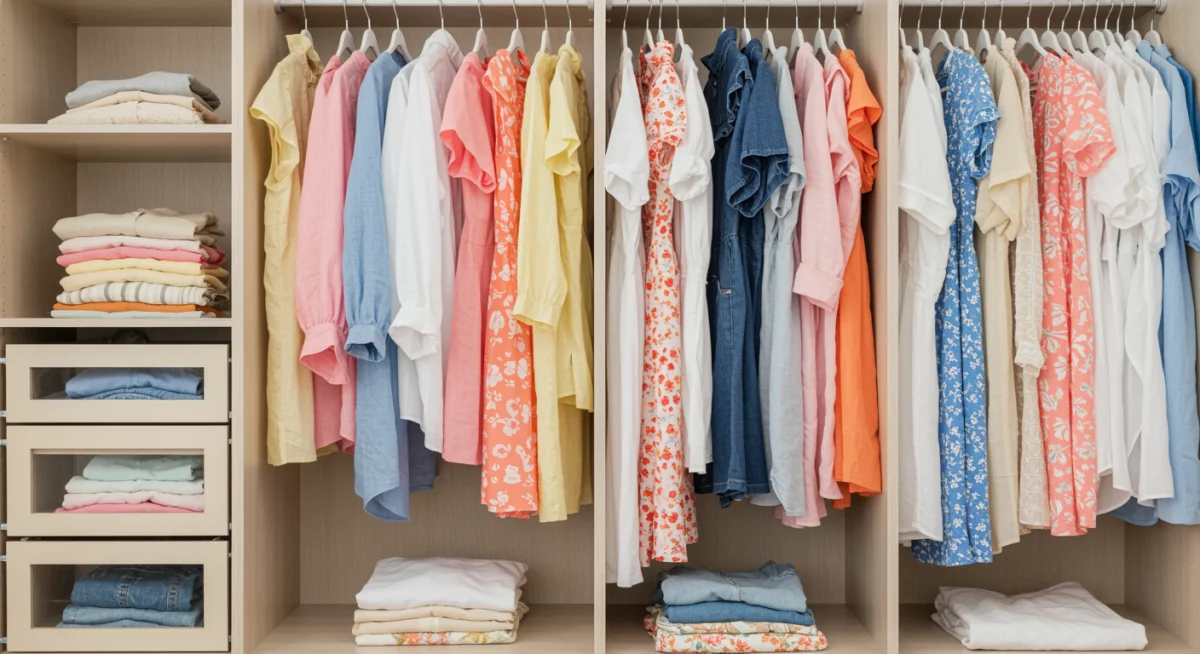
Key Pillars of Sustainable Wardrobe Refresh
- Buy Less, Choose Well: Invest in high-quality, timeless pieces that will last for years, rather than fast-fashion items that quickly wear out or go out of style.
- Support Ethical Brands: Research brands that are committed to fair labor practices, sustainable materials, and reduced environmental impact.
- Embrace Secondhand: Give clothes a second life by shopping vintage or pre-owned. This reduces demand for new production and keeps textiles out of landfills.
- Care for Your Clothes: Proper garment care, such as washing in cold water, air-drying, and mending, significantly extends the life of your wardrobe.
- DIY and Upcycling: Get creative with altering or transforming existing garments to give them a fresh look, reducing the need for new purchases.
By adopting these sustainable practices, your seasonal style refresh becomes more than just an aesthetic update; it becomes a statement of your values. It demonstrates that style and responsibility can go hand in hand, leading to a wardrobe that you not only love but also feel good about owning. This mindful approach ensures your fashion journey is both chic and environmentally conscious.
Looking Ahead: Maintaining Your Refreshed Style
Successfully completing your 3-month seasonal style refresh from spring to summer 2026 is a significant achievement, but maintaining that refreshed style is an ongoing process. Fashion is dynamic, and while this plan provides a solid foundation, staying current and keeping your wardrobe functional requires continuous engagement. The key is to cultivate habits that support longevity, adaptability, and personal expression in your style choices.
Regularly reassess your wardrobe, perhaps at the start of each new season, to ensure it continues to meet your needs and preferences. This doesn’t mean another massive overhaul, but rather small, incremental adjustments. Keep an eye on emerging trends, but always filter them through the lens of your personal style and existing wardrobe. Not every trend is for everyone, and true style often lies in adapting trends to suit your unique aesthetic.
Habits for Long-Term Style Maintenance
- Seasonal Reviews: Conduct mini-declutters and assessments at the change of each season to keep your wardrobe current and organized.
- Mindful Shopping: Continue to prioritize quality, versatility, and ethical considerations when making any new purchases.
- Outfit Planning: Dedicate time to plan outfits in advance, especially for specific events or busy weeks. This helps maximize your existing pieces and reduces decision fatigue.
- Inspiration Gathering: Stay inspired by fashion blogs, magazines, and social media, but always adapt ideas to fit your personal style and body type.
- Garment Care: Maintain good habits for caring for your clothes to ensure their longevity and appearance.
By embedding these practices into your routine, your seasonal style refresh won’t be a one-time event but a continuous journey of style evolution. This proactive approach ensures your wardrobe remains a source of joy and confidence, always reflecting the best version of your personal style. It’s about building a fashion system that works for you, season after season, year after year.
| Key Phase | Brief Description |
|---|---|
| Month 1: Declutter | Reassess spring wardrobe, categorize items, and purge unneeded pieces to create space for summer. |
| Month 2: Integrate | Strategically add summer essentials, focusing on versatile pieces that complement existing items. |
| Month 3: Style & Personalize | Experiment with styling, use accessories to enhance outfits, and infuse personal touches for unique looks. |
| Sustainable Practices | Prioritize ethical brands, secondhand shopping, and garment care to reduce environmental impact. |
Frequently Asked Questions About Seasonal Style Refresh
The best way to begin is by decluttering your current wardrobe. Take everything out, categorize items into ‘keep,’ ‘store,’ ‘donate,’ or ‘mend.’ This helps you understand what you truly have and what you need, setting a clear foundation for your refresh.
Focus on versatility. Re-style garments with different accessories, experiment with layering, and consider how a single item can be worn in multiple scenarios. A spring dress, for example, can become a summer staple with sandals and a straw bag.
Prioritize breathable fabrics like linen and cotton. Key additions typically include versatile tops, lightweight bottoms such as flowy skirts or shorts, a transitional dress, and comfortable summer footwear. Focus on quality over quantity for longevity.
Embrace secondhand shopping, support ethical and transparent brands, and commit to repairing and upcycling clothes. Proper garment care, like washing less and air-drying, also significantly extends the life of your wardrobe items.
Accessories are transformative. They can instantly update an outfit, shift its mood, and add personal flair without needing new clothing. Think straw bags, statement jewelry, scarves, and different footwear to redefine your existing pieces.
Conclusion
Undertaking a seasonal style refresh from spring to summer 2026 is an empowering journey that goes beyond mere fashion; it’s about intentional living and smart consumption. This 3-month plan, rooted in decluttering, strategic integration, and personalized styling, ensures your wardrobe remains dynamic, versatile, and authentically you. By maximizing existing pieces and embracing sustainable practices, you not only elevate your style but also contribute to a more responsible fashion ecosystem. Step into the warmer months with a renewed sense of confidence, knowing your style is both chic and thoughtfully curated.