2026 Guide to Color Theory for Fashion: 6 Palettes for Every Skin Tone
This ultimate 2026 guide to color theory for fashion explores how to build a cohesive wardrobe using 6 key palettes expertly chosen to flatter every skin tone, enhancing personal style and confidence.
Have you ever wondered why some colors make you glow, while others seem to wash you out? Understanding color theory fashion 2026 is not just about following trends; it’s about harnessing the power of color to enhance your natural beauty and create a wardrobe that truly reflects you. This comprehensive guide will illuminate the secrets of color, helping you build a cohesive and flattering collection of clothes for every skin tone.
The Foundations of Color Theory in Fashion
Before diving into specific palettes, it’s essential to grasp the basic principles of color theory. This isn’t just an artistic concept; it’s a scientific approach that can be directly applied to your wardrobe choices, ensuring harmony and impact. Knowing these fundamentals empowers you to make informed decisions that go beyond fleeting trends.
Understanding the Color Wheel
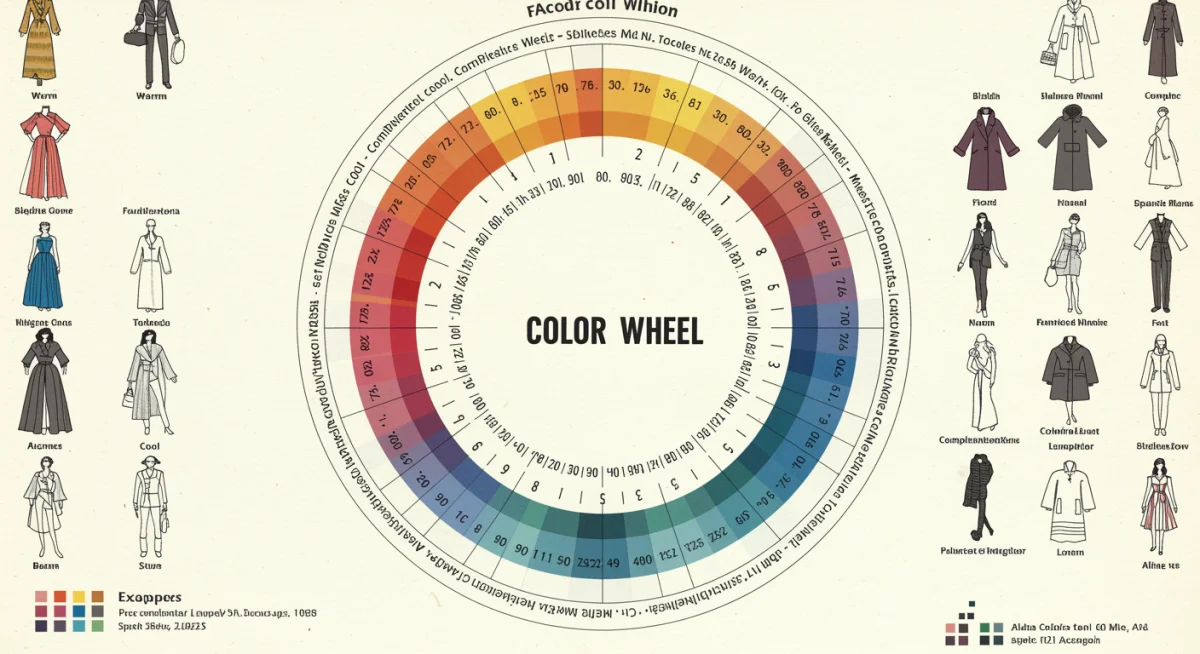
The color wheel is your primary tool in mastering fashion color theory. It visually organizes colors by their relationships, making it easier to identify complementary or analogous schemes. This foundational knowledge allows for intentional and effective outfit planning.
- Primary Colors: Red, blue, and yellow – the building blocks.
- Secondary Colors: Orange, green, and violet – created by mixing two primaries.
- Tertiary Colors: Formed by mixing a primary and a secondary color.
Beyond the basic wheel, understanding warm, cool, and neutral tones is crucial. Warm colors include reds, oranges, and yellows, evoking energy and vibrancy. Cool colors, such as blues, greens, and violets, tend to be calming and sophisticated. Neutrals like black, white, gray, and beige provide balance and versatility, serving as excellent foundations for any outfit.
The Impact of Undertones on Color Choices
Your skin’s undertone plays a significant role in determining which colors will look best on you. This isn’t about your surface skin color, but the subtle hue beneath it. Identifying your undertone is a game-changer for building a truly flattering wardrobe.
- Cool Undertones: Veins appear blue/purple; silver jewelry often looks best.
- Warm Undertones: Veins appear green; gold jewelry often looks best.
- Neutral Undertones: Veins are a mix of blue/green; both silver and gold look good.
Once you understand your undertone, selecting clothing colors becomes much simpler. Cool undertones generally shine in cool-toned clothing, while warm undertones are best complemented by warm hues. Neutral undertones have the flexibility to wear a wider range of colors effectively.
Ultimately, a solid grasp of color theory’s foundations allows you to move beyond guesswork. It provides a framework for creating outfits that not only look good but also feel right, reflecting a deeper understanding of personal style and visual harmony.
Palette 1: Earthy Neutrals for Warm Undertones
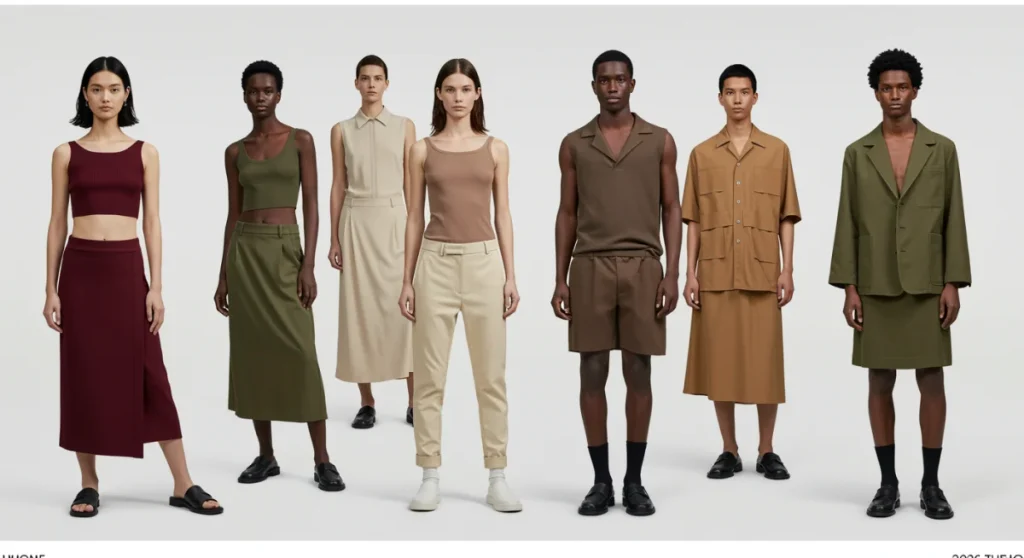
For those with warm undertones, the earthy neutrals palette offers a sophisticated and naturally flattering selection. These colors echo the rich hues found in nature, providing a timeless and versatile foundation for any wardrobe. This palette is designed to enhance your skin’s natural warmth, making you look radiant and grounded.
Key Colors in the Earthy Neutrals Palette
This palette focuses on a range of muted yet rich colors that seamlessly blend together. Think of the colors you see in a natural landscape – warm, inviting, and effortlessly chic.
- Terracotta: A deep, reddish-brown that adds warmth and sophistication.
- Olive Green: A versatile and calming green that complements warm skin.
- Mustard Yellow: A rich, deep yellow that brings a touch of brightness without overpowering.
- Cream/Ivory: Softer alternatives to stark white, perfect for warm complexions.
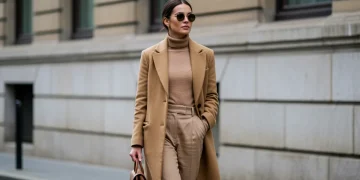
- Camel/Tan: Classic neutrals that provide an elegant base for any outfit.
These colors work harmoniously to create a cohesive look that feels both luxurious and approachable. They are excellent for building a capsule wardrobe, as most pieces can be easily mixed and matched.
Styling Tips for Earthy Neutrals
Building outfits with earthy neutrals is straightforward, yet the results are always polished. The key is to play with textures and subtle variations in tone to add depth and interest.
Consider layering different shades of camel and olive for a sophisticated monochromatic look. Accessorize with gold jewelry, which beautifully enhances warm undertones. Leather goods in rich browns or deep reds can also elevate your ensemble. For a pop of color, consider incorporating accents in burnt orange or a deep rust, which resonate with the palette’s natural feel.
This palette is particularly effective for creating a wardrobe that feels cohesive and intentional. Each piece feels like it belongs, making daily styling effortless. By embracing earthy neutrals, individuals with warm undertones can cultivate an elegant and enduring personal style.
Palette 2: Cool Blues and Grays for Cool Undertones
If your skin has cool undertones, leaning into a palette of cool blues and grays will bring out your natural luminescence. These colors provide a crisp, clean aesthetic that complements the subtle pink or blue hues in your complexion, creating a refined and elegant look. This palette is about embracing sophistication and understated chic.
Defining Cool Blues and Grays
This palette encompasses a spectrum of soothing and versatile shades, moving away from warmer counterparts. The aim is to select colors that feel refreshing and bright against your skin.
- Navy Blue: A timeless and sophisticated staple, offering depth.
- Sky Blue: A lighter, airy blue that brings brightness.
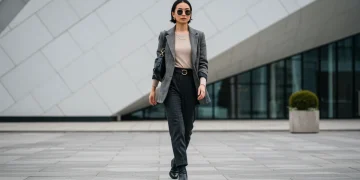
- Charcoal Gray: A strong, modern neutral that grounds any outfit.
- Silver Gray: A lighter, ethereal gray that reflects light beautifully.
- Icy Pastels: Think pale lavender, mint green, or soft periwinkle for gentle accents.
These colors are inherently calming and professional, making them perfect for both office wear and casual elegance. They create a harmonious visual flow that enhances the cool undertone’s natural beauty.
Crafting Outfits with Cool Tones
Styling cool blues and grays involves creating sleek, polished looks. The innate coolness of these colors means they often pair well with metallic accents like silver or white gold, which will highlight your skin’s natural glow.
Experiment with combining different textures within this palette, such as a silk sky blue blouse with charcoal gray wool trousers. A navy blazer is a quintessential piece that can tie many cool-toned outfits together. For a subtle yet impactful contrast, introduce jewel tones like emerald green or sapphire blue as accessories or single statement pieces. These deeper cool colors resonate well with the primary palette, adding richness without clashing.
Adopting this cool blue and gray palette creates a cohesive wardrobe that feels effortlessly chic and perfectly suited for individuals with cool undertones. It allows for a sophisticated expression of personal style, emphasizing clarity and elegance.
Palette 3: Jewel Tones for Deep Skin Tones
For those with deep skin tones, jewel tones are a revelation, offering unparalleled richness and vibrancy. These colors, reminiscent of precious gems, pop beautifully against darker complexions, creating a luxurious and striking aesthetic. This palette is about celebrating boldness and depth, allowing your natural radiance to shine through with intensity.
Exploring the Jewel Tone Spectrum
The jewel tone palette is characterized by its intense saturation and depth. These are not muted colors; they are bold and command attention, making them ideal for making a statement.
- Emerald Green: A rich, deep green that exudes elegance.
- Sapphire Blue: A regal and intense blue, perfect for sophisticated looks.
- Ruby Red: A vibrant, passionate red that adds a powerful touch.
- Amethyst Purple: A luxurious and mysterious purple, offering depth.
- Citrine Yellow: A bright, golden yellow that provides a radiant contrast.
These colors are not only beautiful on their own but also work exceptionally well when combined. Their inherent richness means they can stand alone as a statement or be paired for dramatic effect, ensuring a wardrobe that is anything but dull.
Styling Jewel Tones with Confidence
When styling jewel tones, embrace their inherent drama. These colors are meant to be seen and appreciated. Consider a monochromatic look in a single jewel tone, such as an emerald green dress, to create a powerful visual impact. Alternatively, combine two complementary jewel tones, like sapphire and ruby, for a truly opulent ensemble.
Accessorizing with metallic accents, particularly gold or bronze, can further enhance the richness of jewel tones. Think statement necklaces or earrings that catch the light. For a more subtle approach, use jewel tones as accent pieces against a neutral background, such as a ruby red scarf with a charcoal gray outfit. This allows the jewel tone to truly pop while maintaining a balanced look.
Embracing the jewel tone palette empowers individuals with deep skin tones to express their style with confidence and flair. It’s a celebration of color that results in a wardrobe that is both striking and deeply personal.
Palette 4: Soft Pastels for Fair Skin Tones
For those with fair skin tones, a palette of soft pastels can be incredibly flattering, offering a delicate and ethereal aesthetic. These gentle hues complement lighter complexions without overpowering them, creating a harmonious and graceful look. This palette is all about subtlety, charm, and a touch of romanticism.
The Allure of Soft Pastels
Soft pastels are characterized by their desaturated, light qualities. They are calming, soothing, and evoke a sense of lightness and freshness. This makes them perfect for enhancing the delicate nature of fair skin.
- Baby Blue: A gentle and calming blue that adds a touch of serenity.
- Mint Green: A refreshing and soft green, perfect for a spring-like feel.
- Blush Pink: A delicate and romantic pink that warms the complexion subtly.
- Lavender: A soft, ethereal purple that brings a dreamy quality.
- Lemon Yellow: A pale, cheerful yellow that adds brightness without harshness.
These colors are not only beautiful individually but also combine effortlessly to create outfits that feel cohesive and intentionally soft. They are ideal for creating a wardrobe that is both elegant and approachable, radiating a gentle charm.
Styling with Delicate Hues
When incorporating soft pastels into your wardrobe, focus on creating light and airy ensembles. Layering different pastel shades can create depth without heaviness. For instance, a blush pink blouse paired with a mint green skirt offers a fresh and modern combination. Opt for fabrics with soft textures, such as linen, silk, or cashmere, to enhance the delicate feel of the palette.
Accessories in silver or rose gold can beautifully complement soft pastels, adding a subtle shimmer. Avoid overly dark or heavy accessories, as they can detract from the lightness of the palette. For a slightly bolder touch, consider a floral print that incorporates several pastel shades. This allows for visual interest while staying true to the palette’s gentle nature.
Ultimately, the soft pastels palette enables individuals with fair skin tones to build a wardrobe that is both graceful and highly flattering. It’s about embracing subtlety and creating looks that feel effortlessly chic and charming.
Palette 5: Vibrant Brights for Medium Skin Tones
For those with medium skin tones, a palette of vibrant brights can be incredibly impactful, offering energy and a playful sense of style. These bold and saturated colors stand out beautifully against a medium complexion, creating a dynamic and confident look. This palette is about embracing joy and making a statement with unapologetic color.
The Power of Vibrant Brights
Vibrant brights are characterized by their high saturation and intensity. They are lively, attention-grabbing, and infuse any outfit with a sense of fun and modernity. This palette is perfect for expressing a spirited personality.
- Fuchsia: A bold, electric pink that exudes confidence.
- Cobalt Blue: A rich, intense blue that is both striking and sophisticated.
- Emerald Green (brighter shade): A vivid green that offers a fresh, energetic feel.
- Sunny Yellow: A cheerful and optimistic yellow that radiates warmth.
- Electric Orange: A daring and adventurous orange, perfect for making a statement.
These colors are designed to be noticed. They can be worn individually for a powerful monochromatic statement or combined in unexpected ways for a truly unique and fashion-forward look. The inherent vibrancy of these hues ensures that they never get lost against a medium skin tone.
Styling for Maximum Impact with Brights
When styling vibrant brights, don’t shy away from bold combinations. A fuchsia top with cobalt blue trousers, for example, creates a striking and modern ensemble. To temper the brightness, you can introduce neutral accessories in white, black, or nude. These serve as grounding elements, allowing the vibrant colors to pop even more effectively.
Consider color blocking as a powerful technique to utilize this palette. Combining solid blocks of two or three vibrant colors creates a chic, contemporary aesthetic. For those who prefer a more subtle approach, vibrant brights can be used as accent colors against a neutral base. A bright yellow handbag or a pair of electric orange shoes can instantly elevate an otherwise simple outfit, adding a playful and stylish touch.
Embracing the vibrant brights palette allows individuals with medium skin tones to curate a wardrobe that is full of life and personality. It’s an invitation to experiment with color and express a dynamic sense of style with confidence and flair.
Palette 6: Monochromatic Chic for All Skin Tones
The monochromatic chic palette is a universally flattering approach that works beautifully for every skin tone, regardless of undertone. This strategy involves building an outfit using varying shades, tints, and tones of a single color. It creates an instantly cohesive, sophisticated, and effortlessly elegant look, emphasizing texture and silhouette over a multitude of colors.
The Art of Monochromatic Dressing
Monochromatic dressing is far from boring; it’s a sophisticated technique that highlights the nuances within a single color family. It simplifies decision-making while maximizing impact, making it a powerful tool for building a cohesive wardrobe.
- Varying Tones: Combine light, medium, and dark shades of your chosen color.
- Texture Play: Mix different fabrics like silk, wool, leather, and knits.
- Silhouette Focus: Let the cut and shape of your garments take center stage.
- Subtle Prints: Incorporate prints that feature only shades of the chosen color.
The beauty of this palette lies in its simplicity and versatility. It allows the individual wearing the clothes to truly shine, as the focus is less on contrasting colors and more on the overall harmony of the ensemble. It’s a timeless approach that always looks polished.
Achieving Cohesion with a Single Color
To successfully execute a monochromatic look, start by choosing a base color that you love and that makes you feel confident. For example, if you choose blue, you might pair a navy skirt with a sky-blue sweater and a pair of cobalt blue shoes. The differing shades add visual interest and prevent the outfit from appearing flat.
Texture is your best friend when dressing monochromatically. A chunky knit sweater over a silky slip dress in the same color family creates a rich, tactile experience. Don’t be afraid to mix materials like denim, velvet, or even faux fur within your chosen color scheme. Accessories can further enhance the look; a belt, bag, or jewelry in a complementary metallic or even a slightly contrasting neutral can break up the monotony while maintaining sophistication.
The monochromatic chic palette is a testament to the power of thoughtful simplicity. It provides a foolproof method for anyone, regardless of skin tone, to create a wardrobe that is both cohesive and undeniably stylish, proving that less can indeed be more when it comes to impactful fashion.
| Key Palette | Description & Best For |
|---|---|
| Earthy Neutrals | Sophisticated, natural tones like terracotta and olive green. Ideal for warm undertones. |
| Cool Blues & Grays | Crisp, clean shades like navy and charcoal. Perfectly complements cool undertones. |
| Jewel Tones | Rich, vibrant hues like emerald and sapphire. Striking on deep skin tones. |
| Monochromatic Chic | Variations of a single color for elegance. Universally flattering for all skin tones. |
Frequently Asked Questions About Color Theory in Fashion
To determine your skin’s undertone, look at the veins on your wrist. Blue or purple veins usually indicate cool undertones, while green veins suggest warm undertones. If you see a mix or struggle to tell, you likely have neutral undertones. Another way is to observe how gold versus silver jewelry looks on you.
Absolutely! While these palettes provide a cohesive base, mixing and matching can add personality. The key is balance. For example, use a vibrant bright as an accent with an earthy neutral outfit, or combine a soft pastel with a cool blue for a gentle contrast. Trust your eye and experiment.
Neutral undertones are incredibly versatile! You have the flexibility to wear both warm and cool colors beautifully. This means you can experiment with a wider range of the palettes discussed. Focus on colors that make you feel vibrant and confident, as most shades will naturally complement your skin.
Certain shades of true red, medium teal, and a rich eggplant purple tend to be universally flattering due to their balanced warm and cool undertones. Additionally, the monochromatic approach (Palette 6) is designed to work for all skin tones, focusing on depth and texture within a single color family.
While trends are fun, building a wardrobe based on color theory and your personal undertone is more sustainable. Incorporate trend colors through accessories or a few key pieces each season. Your core wardrobe should remain rooted in colors that consistently flatter you, ensuring timeless style rather than fleeting fads.
Conclusion
Mastering color theory in fashion is more than just a trend; it’s a powerful tool for self-expression and confidence. By understanding your skin’s undertone and exploring the six key palettes presented, you can curate a wardrobe that not only looks cohesive but also genuinely enhances your natural beauty. The year 2026 invites us to move beyond fleeting fads and embrace a more intentional approach to style, one where every color choice is a deliberate step towards a more authentic and radiant you. Start experimenting, trust your instincts, and enjoy the transformative power of color.